

 Subscribe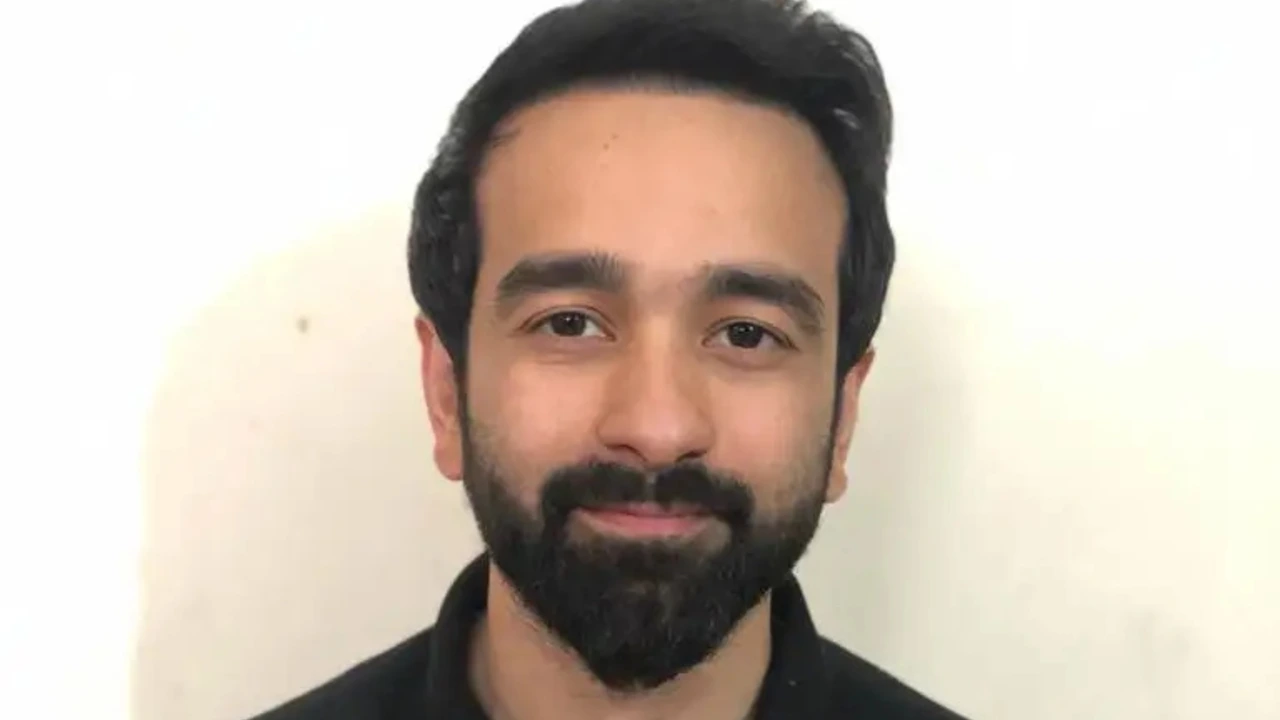
 Raghav Bagai
The creative industry is moving through one of its biggest shifts in decades.
Artificial intelligence has dramatically changed how ideas are generated, developed and delivered. What once took weeks can now happen in hours. Naturally, this has changed what brands expect from their agency partners. Faster turnarounds, more options and greater agility have become part of the brief.
The democratisation of AI has also levelled the playing field. Today, almost every agency has access to the same tools. Creativity has become more accessible than ever before. So, where does the real advantage lie? I believe the answer is cultural intelligence.
Creative intelligence helps us solve a brief and understand why that brief matters in the first place. It isn’t just about chasing trends or reacting to every viral moment. It’s about understanding people. It is the ability to recognise how communities are evolving, what shapes their worldview, how language is changing, what influences behaviour and why certain conversations resonate.
Every culture has its own codes. Every community has its own humour, references and rituals. These nuances reveal themselves in comment sections, creator communities, regional festivals, gaming platforms, podcasts, local conversations and countless corners of the internet where people express themselves freely. The best ideas often come from paying attention to these spaces long before they become mainstream.
Over the years, I’ve realised that the most valuable insights rarely come from research alone. They come from observations.
Why are regional creators driving national conversations? Why are niche communities becoming more influential than traditional demographics? Why are younger audiences placing greater trust in creators who feel relatable than in polished brand communication? Questions like these almost always lead to stronger briefs because they begin with people, not platforms.
That is why the role of agencies is evolving.
Clients still expect strategic thinking and compelling creativity. Increasingly, they are also looking for partners who can interpret culture. They want agencies that can identify emerging shifts before they become obvious, understand the communities they want to engage with and help brands participate in conversations with authenticity and relevance.
This requires a broader way of thinking about creativity. The same is true for creator partnerships.
The most successful collaborations work because creators have spent years earning the trust of their communities. They understand the language, humour and expectations of the people they speak to every day. When agencies bring creators into the thinking process rather than simply the execution, the work feels more natural because it is rooted in lived understanding.
Ironically, the rise of AI makes cultural intelligence even more valuable. As AI becomes increasingly capable of generating content, the internet is also seeing a surge in what many refer to as “AI slop”. Perfectly polished visuals, predictable headlines and endless variations of ideas that feel technically impressive but emotionally interchangeable.
According to Canva’s State of Marketing & AI Report, 97% of marketing leaders now use AI in their creative workflows, yet 87% of consumers believe the best advertising still requires a human touch. The message is clear. People value efficiency, but they continue to connect with originality, authenticity and human insight.
We’ve already seen this reflected in public conversations around AI-generated campaigns from global brands. The debate was never really about technology. It was about whether the work felt emotionally true to the brand and meaningful to audiences. Culture became the lens through which creativity was judged.
That’s an important reminder for all of us. AI can help us create faster. It can generate possibilities, accelerate production and unlock efficiency at scale. But it cannot replace the instinct that comes from understanding people, recognising context or knowing when a brand genuinely belongs in a conversation.
Those decisions will continue to be deeply human. As agencies, our role has always been to solve business problems through creativity. Today, that responsibility extends even further. We have an opportunity to help brands understand the world they’re communicating with, not just the products they’re communicating about.
Because in the years ahead, the agencies that create the greatest impact won’t necessarily be the ones with access to the smartest tools. They’ll be the ones with the deepest understanding of people.
AI has made creativity more accessible. Culture is what will continue to make it memorable.
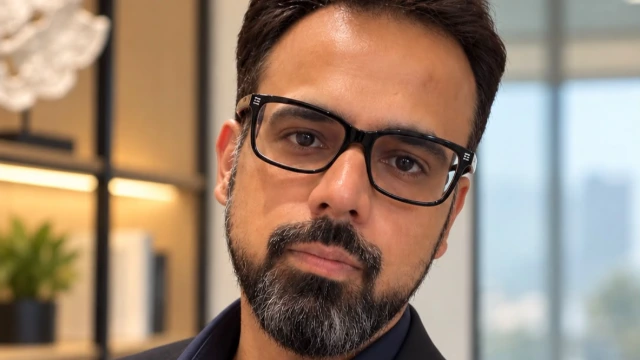
The author is co-founder, SW Network.