

 Subscribe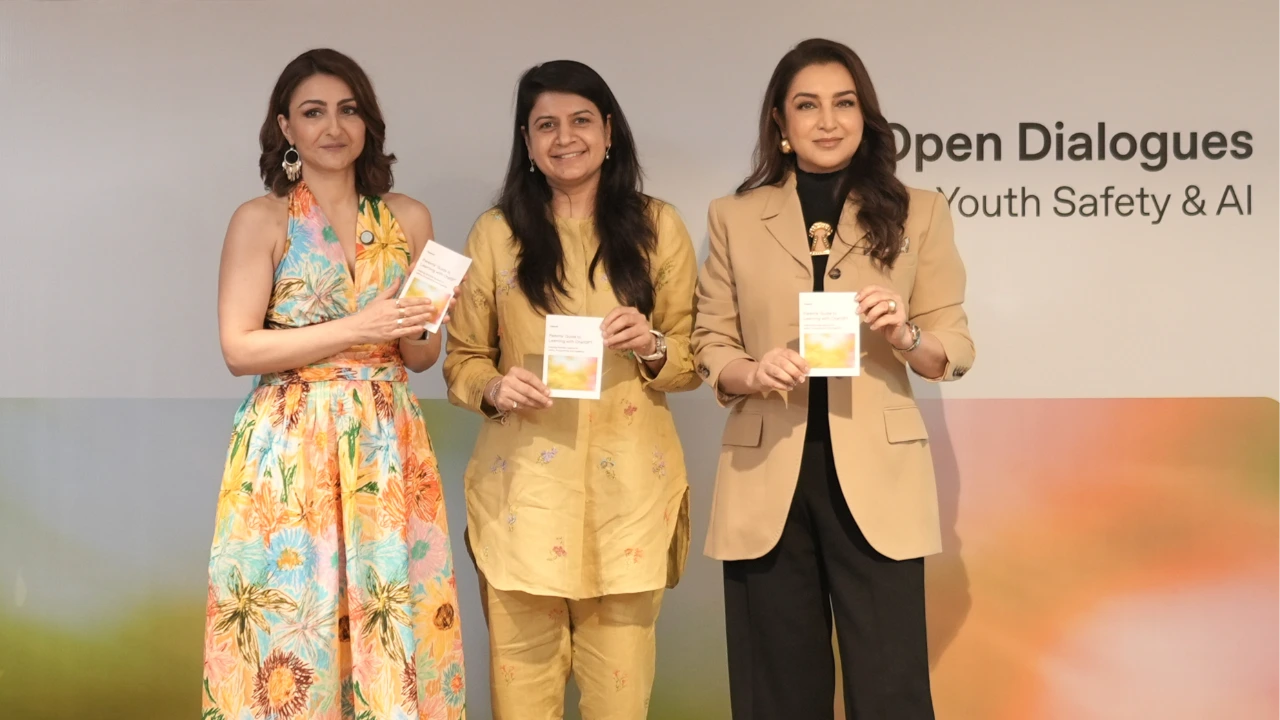
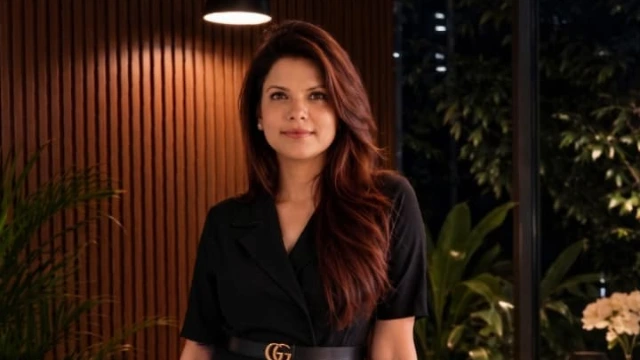
 (L-R) Soha Ali Khan, Pragya Misra, and Tisca Chopra at the launch event
Open AI has announced the launch of ChatGPT for Teens, an experience designed to help teenagers learn, think critically, deepen understanding, and use AI with confidence.
ChatGPT for Teens brings together learning and safety features in one unified experience, supporting active, collaborative learning outside the classroom while enabling more intentional and age-appropriate use of AI. It includes Study Mode, Responsible Homework Reminders, Quizzes and Learning Visualisations, and Study Hours.
OpenAI also launched its ‘Parents’ Guide to Learning with ChatGPT’, a practical resource to help parents understand ChatGPT for Teens, set up parental controls, support learning, and build healthy AI habits at home.
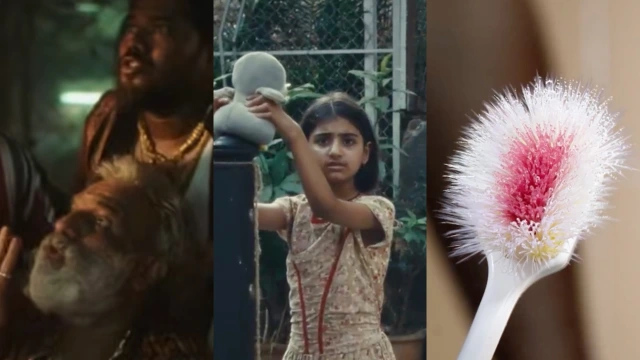
To highlight the launch, the brand has also rolled out a film featuring actor Tisca Chopra.
The film opens with Chopra reflecting on how her relationship with her teenage daughter has evolved from ‘Tujhe sab hai pata maa’, to ‘You won’t get it, Maa’ phase. Curious about what her daughter is up to and how she navigates the complexities of being a teenager today, she asks her what she uses AI for, only for her to get a characteristically teenage response. Rather than letting that stop her, Chopra turns to ChatGPT herself. The film then introduces ChatGPT for teens, showcasing how it is designed to support teenagers with age-appropriate features and guidance.
What we think about it: The film positions ChatGPT as a tool that can help teens navigate questions, explore ideas and find support as they grow, while giving parents a better understanding of how AI can fit into their teenagers’ lives. Using the familiar ‘You won’t get it, Maa’, the ad plays on a relatable trope as an effective entry point to introduce the feature.
Pragya Misra, head - strategy and global affairs, India, OpenAI, said, “Parents and educators play an important role in how young people learn, create and explore with AI. That is why we created the Parents’ Guide to Learning with ChatGPT. Young people should not have to choose between opportunity and protection. They benefit most when the adults around them stay involved, ask questions, encourage critical thinking, and help build healthy, age-appropriate boundaries around how AI is used.”