

 Subscribe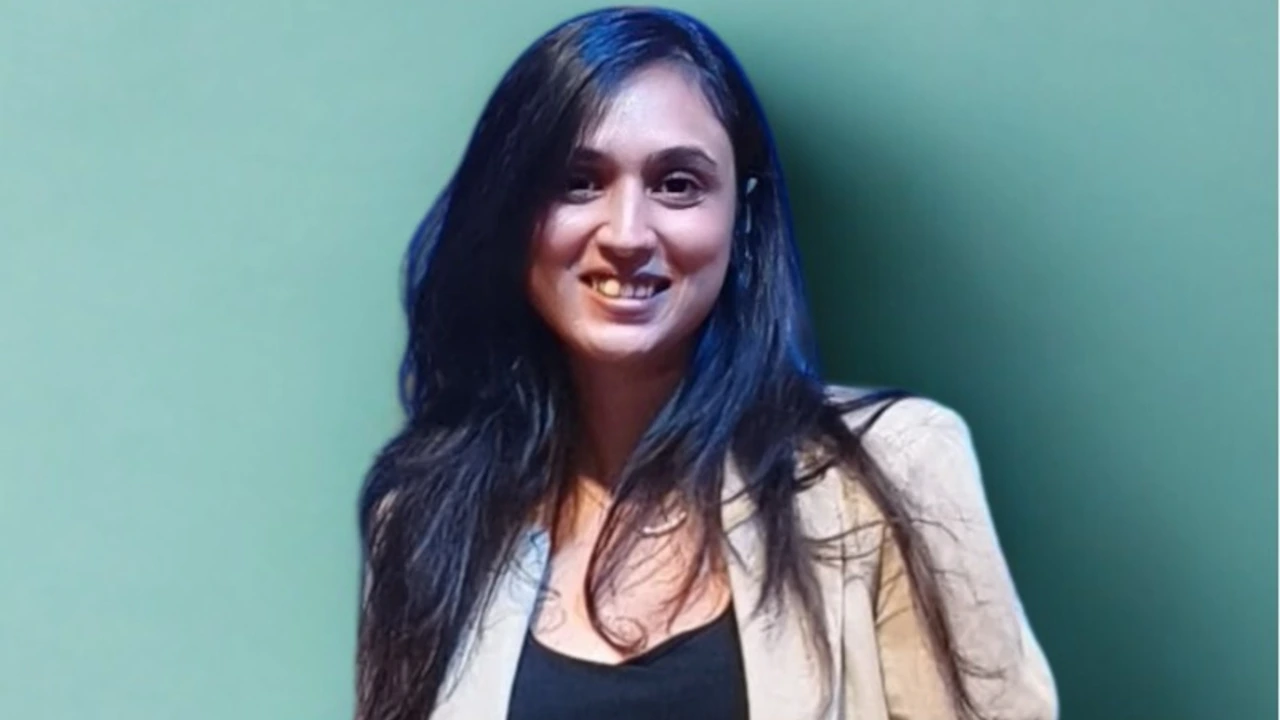
 Shubhika Jain
Women in SPAM – the internet's collective shorthand for social media, PR, advertising and marketing – may have started as another Gen Z acronym, but it captures something profound. These industries no longer simply sell products; they shape conversations, influence culture and build trust. Increasingly, women are at the forefront of that shift, bringing strengths once dismissed as 'soft skills' – empathy, emotional intelligence, intuition, communication and relationship-building – that have become the foundations of effective brand- building.
It wasn't always this way. Communications once functioned like an assembly line: marketers developed the strategy, communicators refined the message, and designers executed the creative. Roles were siloed, workflows were linear, and ownership was fragmented. Women were often expected to contribute to one part of the process rather than lead it end to end.
That model no longer reflects how modern brands are built; and today, the 'SPAM girlies' are the ones deciding what feels aspirational, what turns into discourse, or what the internet collectively obsesses over for days. A social media manager storyboards a Reel, writes the caption and designs the thumbnail before the day is out. A PR professional doesn't just pitch journalists anymore; she's building the media kit, presentation and LinkedIn carousel that strengthens the story. Across India's most compelling brands, a single campaign today demands strategic thinking, visual storytelling, cultural awareness, data literacy and community engagement – often all at once. And in many creative spaces, it is women who are increasingly making strategy and creative happen together, moving ideas from concept to execution faster than ever before.
This is not simply a creative shift, but also technological one.
Artificial intelligence has fundamentally lowered the barriers to creation. For women who've long carried both the strategic and creative load, that means less time navigating complex tools and more time refining ideas that create impact. Meanwhile, shrinking attention spans of a 'chronically online' audience has made clarity more valuable than complexity for brands. In a world where every message competes for attention, the ability to communicate visually and simply has become a defining advantage.
For women across SPAM, this is reshaping what leadership looks like. Whether presenting to leadership, pitching a journalist or publishing on social media, how an idea is communicated now matters as much as the idea itself. A compelling presentation can secure stakeholder buy-in faster than pages of text. A well-crafted visual can simplify complexity, make information memorable and inspire action. Visual communication doesn't replace strong ideas or the ability to read a room, anticipate audience sentiment and navigate nuance. It amplifies them.
As the boundaries between strategy, storytelling and design continue to blur, the most valuable professionals will be those who can move seamlessly between all three. As technology removes technical barriers, influence is shifting away from who has the design expertise to who can think clearly, communicate effectively and execute quickly. The ability to turn ideas into compelling visual stories is no longer a specialist skill, it's becoming a core capability for modern communicators.
None of this means strategy has become less important. A beautifully designed campaign with a weak idea behind it will always fall short. The real advantage belongs to those who can do both: think in narratives and execute through visuals without waiting for someone else to bridge the gap.
Every generation of communicators inherits new tools and decides what to build with them. This generation has inherited the ability to turn ideas into visible, shareable stories in minutes — and I, for one, am a proud SPAM girlie for it. Because the more fluently I can think in narratives and speak in visuals, the more say I have in which stories get told, and how. For women across SPAM, that's the real shift: not just changing how the work gets done, but who gets to shape it.
The author is India brand lead - Canva.