

 Subscribe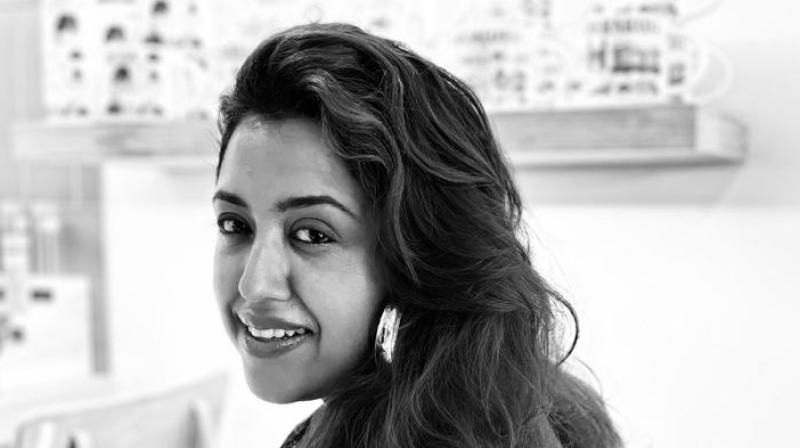
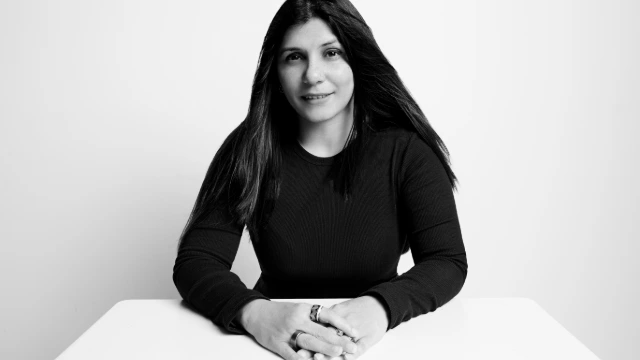
 Aoneha Tagore
In India’s fast-moving music landscape, where virality is fleeting and algorithms shape discovery, one shift stands out: songs can break overnight, but lasting artists are built with intent.
Aoneha Tagore has tracked this change across radio, television and streaming, including a stint at Spotify India. From editor-led curation to today’s social-first ecosystem, she has seen power move from platforms to audiences, exposing the limits of volume-driven success.
In 2025, she founded Collabor8 to address the gap between breakout moments and long-term artist building.
In conversation with Manifest, she discusses why career-first thinking is replacing release-led strategies and what it takes to build distinct, enduring artist identities.
Edited excerpts:
You’ve spent over two decades across radio, television and streaming, including leadership roles at Spotify India. What shifts in music consumption and discovery have stood out the most to you over this period?
Two decades is a long time. When I started in radio, discovery was largely editorial skewed - RJs, VJs and music channels shaped what audiences listened to.
Today, discovery is far more decentralised. Streaming, algorithms and especially social media have changed how music breaks - often a song goes viral before it even hits traditional platforms.
But what’s interesting now is the next shift we’re entering. After a phase that was very volume-driven and algorithm-heavy, the industry is starting to recalibrate towards real value - stronger artist identities, deeper fan engagement and more sustainable monetisation. The power has clearly moved from platforms to audiences, and that’s probably the most defining shift of this entire journey.
With Collabor8, you’re focusing on building artists as long-term cultural brands. What gap did you see in the ecosystem that traditional artist management wasn’t addressing? What is the vision you have for this company? Collabor8 positions itself as a new-age artist management and brand-building company. What does that look like in practice, and how are you rethinking the traditional artist management model through this venture?
Over the years, I’ve seen that the music business has largely been driven by a release-led approach - which is understandable, given the level of investment artists and labels put behind each track.
But in that process, what often gets underbuilt is the artist’s identity. Artists are still not consistently being developed as long-term cultural brands with a clear narrative, visual language and fan ecosystem.
We’re in a phase where algorithms can build a song, but they can’t build an artist. Virality doesn’t equal longevity, and that is something artists are realising now. That’s the gap we’re trying to address with Collabor8. We’re not just looking at how a song performs but how an artist builds sustained relevance - through storytelling, fandom building and a unified presence across platforms.
In practice, that means working across brand strategy, content, PR and partnerships to ensure that every touchpoint is aligned to a larger narrative. The vision is to move from a campaign mindset to a career-building mindset - where the artist isn’t just releasing music but building a brand that can live and grow beyond it.
In today’s landscape, how important is it for artists to think beyond music and build a distinct personal brand? What does that process look like in practice?
Today, music is just one part of how audiences engage with an artist. With the sheer volume of content and music being released, what really differentiates an artist is their identity - what they stand for, how they show up and how consistently that narrative comes through across platforms.
We’re in a phase where discovery is abundant, but recall is scarce. So, unless an artist is building a distinct personal brand, it’s very difficult to create long-term connections or fandom.
In practice, building that brand starts with clarity - defining the artist’s core narrative, personality and visual world. From there, it translates into structured content pillars, a consistent tone of voice and alignment across everything - music, social media, PR, styling and even live performances.
The idea is to move from just releasing songs to building an ecosystem where fans connect with the artist beyond the music. Because that’s what ultimately drives longevity, loyalty and monetisation.
Social platforms have become central to music discovery. How do you see platforms like Instagram and YouTube influencing not just reach, but the kind of content artists create?
Platforms like Instagram and YouTube haven’t just changed reach - they’ve fundamentally changed the grammar of how music and content are created.
Today, a lot of music is designed keeping platform behaviour in mind - whether it’s the opening hook, visual storytelling or short-form repeatability. In many cases, songs break on social media before they scale on streaming.
But the bigger shift is that artists are now expected to become storytellers and creators. Having said that, I strongly believe social media should be a reflection of the artist’s core persona. The risk today is that with trends moving so fast, artists start chasing formats instead of building identity. And that can dilute who they are.
The artists who will build long-term relevance are the ones who use these platforms to express something authentic - content that feels true to their voice, rather than just reacting to what’s trending.
Brand collaborations with artists are on the rise, but many still feel transactional. What, in your view, makes for a truly effective and culturally relevant brand-artist partnership?
Brand collaborations today are definitely on the rise, but the difference between a transactional deal and a meaningful partnership comes down to authenticity and fit.
The starting point has to be synergy - does the brand naturally align with what the artist stands for? Because audiences today can instantly tell when something feels forced.
The biggest gap, in my view, is the storytelling layer. It’s not just about placing a brand alongside an artist but about integrating it into the artist’s narrative in a way that feels organic and relevant.
The most effective partnerships are the ones where the brand becomes a natural extension of the artist’s world - through content, experiences or long-term association - rather than just a one-off endorsement.
Having worked closely with both platforms and talent, how should brands rethink their approach to working with artists in a more creator-first economy?
In a creator-first economy, artists aren’t just media inventory - they’re worlds in themselves, with a defined voice, audience and identity.
So the approach from brand managers can’t be ‘how do we use this artist for reach,’ but ‘how do we integrate meaningfully into what they’re already building.’
That’s the shift we’re actively trying to drive within the brand ecosystem - moving from transactional collaborations to partnerships that are rooted in the artist’s narrative and feel authentic to their fans.
Regional music has seen a massive surge in recent years. How is this shift impacting the way artists are positioned and marketed at a national level?
The rise of regional music has been one of the most defining shifts in the Indian music landscape. Earlier, there was a tendency to push artists towards Hindi or a certain sound to make them more ‘mainstream’. Today, artists are breaking out because of their regional identity, not despite it.
From a marketing standpoint, it’s also shifting strategies - from a one-size-fits-all national approach to a more community-led, culturally rooted storytelling that can then scale outward.
In many ways, regional is no longer a niche - it’s becoming the starting point for building national and even global relevance.
Data and analytics have become central to decision-making in music. How do you balance data-led insights with instinct and cultural intuition?
Data has become incredibly important in today’s music ecosystem - it gives you real-time visibility into what’s working, where audiences are coming from and how they’re engaging. When you’re operating at the scale we are today - with billions of streams and massive volumes of content - data is essential to navigate that.
But at the same time, data can only tell you what has worked, not what will work. And that’s where instinct and cultural intuition come in.
At Collabor8, we see data as a compass, not a decision-maker. Be data-informed, not data-led. This helps us refine direction, but the core creative and strategic choices still come from understanding culture, audience behaviour and the artist’s voice. Because ultimately, the biggest breakthroughs in music have never been data-led- they’ve been instinct-led, and then validated by data.
In a fast, viral-driven ecosystem, how can artists build sustainable, long-term careers instead of chasing short-term spikes when their singles or albums come out?
The key shift artists need to make is from thinking in terms of releases to thinking in terms of identity and consistency. Because while virality can bring attention, it’s consistency and clarity of voice that build recall and fandom over time.
We’re also seeing that with the sheer volume of music being released today, breaking through once is easier than staying relevant. So the focus has to be on building a deeper relationship with the audience - through storytelling, regular engagement and a strong sense of who the artist is beyond just their music.
That’s where things like live experiences, community building and brand partnerships start to play a role - they help create multiple touchpoints for audiences to stay connected.
In an increasingly digital and social-first ecosystem, where do live experiences and concerts hold value when it comes to fan engagement? And how can artists and brands better leverage this space to create deeper, more meaningful connections?
Streaming and social media drive discovery, but live shows build emotional connection. It’s where the artist’s identity becomes tangible and where audiences move from just consuming content to truly experiencing it.
We’re seeing this play out at scale as well. For instance, Diljit Dosanjh’s Dil-Luminati tour generated an estimated INR 900 crore in economic impact, which shows how large-format live experiences are not just engagement platforms but massive value drivers across the ecosystem.
Another example of this is Rishab Sharma’s Sitar for Mental Health Tour, which is an extension of his storytelling that audiences get to experience live, beyond just digital streaming and social media.
For artists, the opportunity is to treat live not just as a performance but as an extension of their brand - through storytelling, visual world-building and fan interaction.
For brands, it’s about moving beyond logo placements to creating immersive experiences within that environment - experiences that feel native to the artist and add value to the fan journey.
As someone who has been closely involved in shaping music culture in India, what trends do you believe will define the next phase of the industry?
I think the next phase of the Indian music industry will be defined by a few very clear shifts.
First, we’re moving from a phase of volume to value. Over the last few years, streaming has exploded - India is now one of the largest music consumption markets globally, with billions of streams and massive discovery at scale. But that has also led to an oversupply of content. The next phase will be about stronger identities, better music and more intentional releases rather than just high output.
Second, we’ll see the rise of a fan-driven creator economy. It’s no longer just about songs - it’s about building ecosystems around artists. We’re already seeing early signs of this with structured artist development, live experiences and multi-revenue models becoming more important, similar to global pop markets.
And finally, I think we’ll see India transition from being a high-consumption market to a global export market. Indian artists are already seeing massive international streaming growth, and the next phase will be about building artists who can build global fandom.