

 Subscribe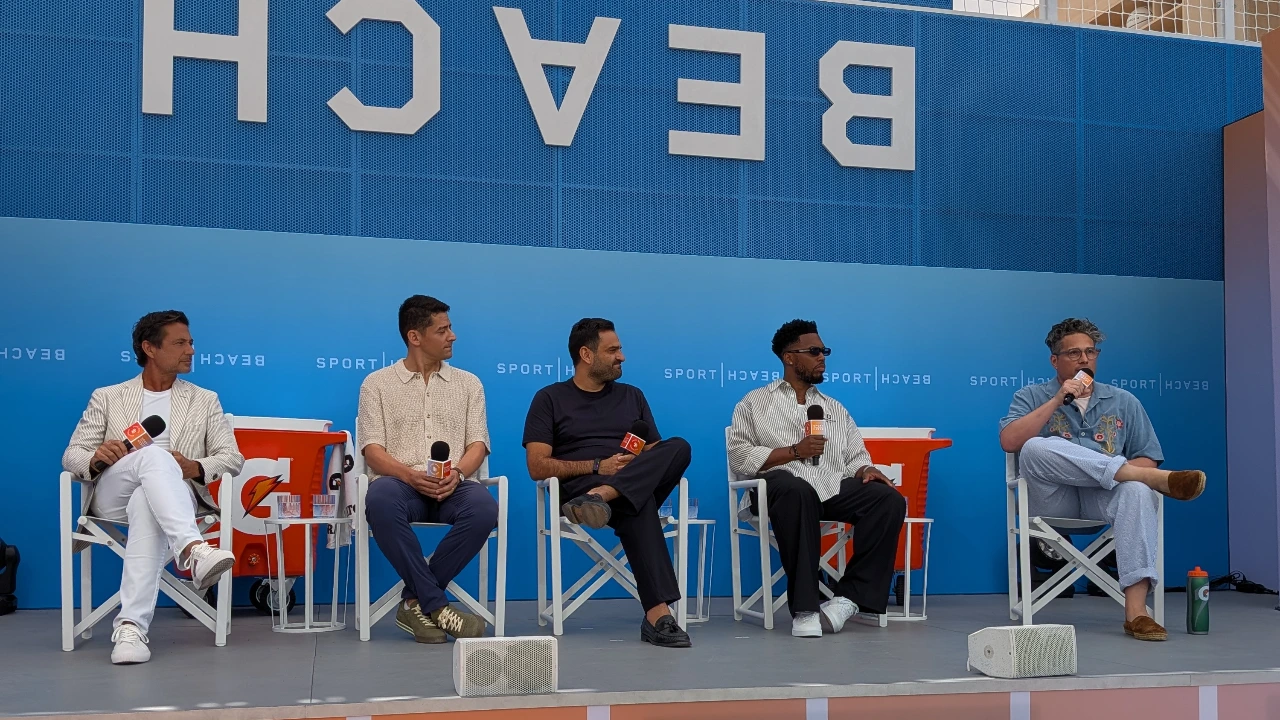
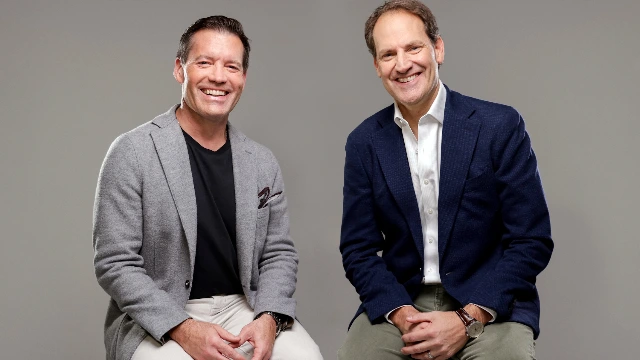
 From left: Pedro Pina, Rick Pineda, Christian Racioppi, Daniel Sturridge and Ben James
Sports Beach at the Cannes Lions International Festival of Creativity opened with a panel on how fans consume sport has fundamentally changed, and brands need to rethink how they engage with audiences as a result.
That was the central theme of a discussion featuring Daniel Sturridge, former England and Liverpool footballer; Rick Pineda, VP, global sports, Diageo; Pedro Pina, VP and head, Middle East and Africa, YouTube; and Christian Racioppi, director, business development EMEA, Channel Factory.
The session was moderated by Ben James, chief innovation officer, Gale.
While live sport remains at the heart of fandom, the panel agreed that the fan journey today extends far beyond the final whistle.
According to Sturridge, the way sports are consumed has changed drastically. The rise of streamers, watch-alongs and creator-led content has given fans multiple ways to engage with football and other sports.
"Earlier, broadcasters largely controlled the consumption of football matches. Today there are many different ways of experiencing the same moment," he said.
Social media has also democratised sports conversations. While players, pundits and broadcasters continue to shape narratives, fans now have platforms to express opinions, build communities and create content of their own.
For brands, this evolution requires a more nuanced approach.
Paneda argued that marketers must respect existing fan communities rather than attempt to dominate them.
"We don't want to interrupt or hijack moments," he said. "Sports have communities and we have to be true to them."
Authenticity emerged as a recurring theme throughout the discussion. Paneda added that having talent that is genuinely connected to a sport is critical, while brands must also offer consumers multiple ways to engage, whether through traditional products, cocktails, alcohol-free alternatives or new experiences.
Pina pointed to YouTube's scale in sports, noting that the platform generates around 40 billion hours of sports-related watch time annually. While live content remains important, fans increasingly seek deeper engagement through behind-the-scenes access, creator perspectives and athlete stories.
Referring to the Olympics and other major events, he noted that fan engagement often continues long after the competition ends.
"People want to see the game through the eyes of the creator," he said. "Fans don't follow brands. They follow people."
The discussion also highlighted the growing importance of context in sports marketing.
Racioppi challenged brands to think beyond creative execution and consider where and how content is being consumed. Using Lionel Messi's goals against Algeria as an example, he noted that fans may experience the same sporting moment through official highlights, fan reaction videos or creator analysis.
Each environment, he argued, commands a different level of attention and presents a different opportunity for advertisers.
"Creative is nothing without context," he said, echoing one of advertising's most famous lines.
The conversation concluded with a look at the growing entrepreneurial ambitions of athletes. Sturridge observed that sports stars are increasingly moving beyond sponsorships and building businesses, media platforms and direct relationships with fans.
Athletes such as LeBron James have demonstrated the potential of this model, and Sturridge believes the trend which started in the USA, is becoming increasingly visible across Europe and other markets.
Sturridge closed the talk by talking about how sports' 'global nature' is what attracts fans.
"A goal keeper from Cape Verde moved from 50,000 followers to millions after an impressive showing against Spain. It’s changed his life overnight. There are so many different cultures in sport. The way people get attracted to sport is different too. Fantasy football got me interested to the NFL. So there are many entry points," he stated.
The talk ended by each of the panelists listing one word they associate with the ongoing FIFA World Cup.
Pina: Community
Paneda: Hope
Racioppi: Context
Sturridge: Connection