

 Subscribe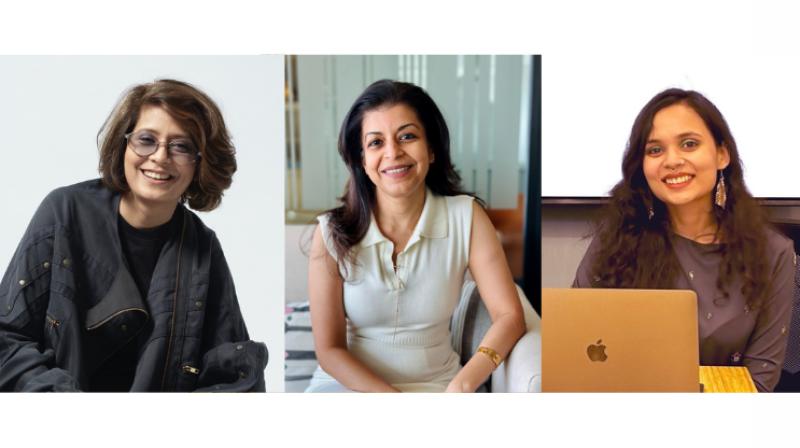
 (L to R) Sonal Chhajerh, Vandana Tilwani, and Adyasha Tomar
We continue our conversations with women in advertising about persisting structural inequities and what real power parity looks like in adland, beyond tokenism and representation.
Here’s what Vandana Tilwani, CHRO, Havas India & chief inclusion officer, Havas APAC; Sonal Chhajerh, national creative director, Leo India; and Adyasha Tomar, head - creative & brand communications, Kult, had to say on ‘the equity illusion in advertising’…
Edited excerpts:
Where do micro-biases show up in everyday work — meetings, feedback, credit attribution, networking spaces?
Vandana Tilwani: Micro-biases often show up in subtle patterns rather than overt actions. For example, who gets described as ‘assertive’ versus ‘aggressive,’ who is asked to take notes versus lead the discussion, or whose ideas gain traction only after being echoed by someone else. They also appear in stretch assignments; assumptions around availability or ambition can quietly influence who gets considered. These moments may seem small individually, but over time, they shape confidence, visibility, and growth.
Adyasha Tomar: In-between work. Smoke breaks and parties and conversations that still feel ‘cliqu-ish’.
Where, according to you, does gender disparity continue to show up today - hiring, pay, promotions, or visibility and attribution?
Sonal Chhajerh: As an industry, we’ve definitely acknowledged biases and begun to make progress. I see better policies in place, mentorship programs, pay transparency, leadership training, and more women in mid and senior roles than when I started out. But beyond correction, we need systems that support women: flexibility, childcare, and return-to-work that truly works.
Creative and strategic discussions are where the rules level out. Ideas don’t come with gender labels. What you contribute, the value you add, the impact you make, that’s what counts. In those rooms, you’re judged on your ideas, not your gender. And that’s where real equality shows up.
Do informal networks (the infamous ‘old boys club’) still influence growth opportunities?
Tomar: Less so now than before, but yes, for sure.
Tilwani: Informal networks do still influence access - not always intentionally, but proximity often creates opportunity. When key conversations, client introductions, or strategic decisions happen in informal spaces, those outside that circle can miss visibility. Growth should be driven by capability and performance, not comfort or familiarity.
Entry-level parity vs leadership gap: Why do you think women drop off at senior leadership levels despite strong entry-level representation?
Chhajerh: We should stop asking why women drop off and start asking why our systems can’t hold them. Women aren’t ‘opting out’ at mid-level because they lack ambition or capability. They’re often left with little choice because our systems are built for always-on careers. Mid–senior years collide with caregiving years. I’m not saying men don’t contribute, but data shows that even today, women shoulder 4–5x more responsibility when it comes to maternity, elder care, and managing dual roles at home and work. Then we act surprised when the pipeline thins. It’s a design flaw that requires systemic change. We need flexible career arcs, real re-entry pathways, and leadership measured by outcomes, not optics.
Tomar: Because organisations do not make concessions for ‘life’ happening. A maternity break is a hurdle, and I have heard this - being married you are a ‘time bomb’ because you could get pregnant. And once you have kids, more often than not, mothers do become the ‘primary parent.’ Most of the organisations don’t care or make provisions for women’s careers surviving major life transitions.
'The motherhood cliff': Do life stages like maternity still impact one’s growth trajectory or client allocation, or are you able to return to the same role or growth track post-maternity?
Chhajerh: Honestly, the first thing we need to change is how we look at maternity. It’s not a career break. Pregnancy and those first few years of raising a child are some of the most intense learning experiences one’ll ever have. You’re building patience, grit, empathy - all the things companies say they want in leaders. But when women try to return to work, the industry treats that time as if they’ve been stagnating. I was fortunate that Leo hired me based on my potential, not my portfolio, which was a few years old. I think the real responsibility sits with organisations. We need systems that genuinely support women coming back, giving them the same roles, the same growth paths, the same opportunities, not as a favour or an exception, but as normal.
Tilwani: Life stages can influence careers, but they shouldn’t define them. The real test is whether women return to meaningful roles with the same growth trajectory. At Havas, the focus is on continuity conversations before and after maternity leave, flexibility where required, and ensuring career paths remain intact. The goal is long-term progression, not temporary accommodation.
This article appears in the March issue of Manifest. To read the whole feature, purchase the issue by clicking here.