

 Subscribe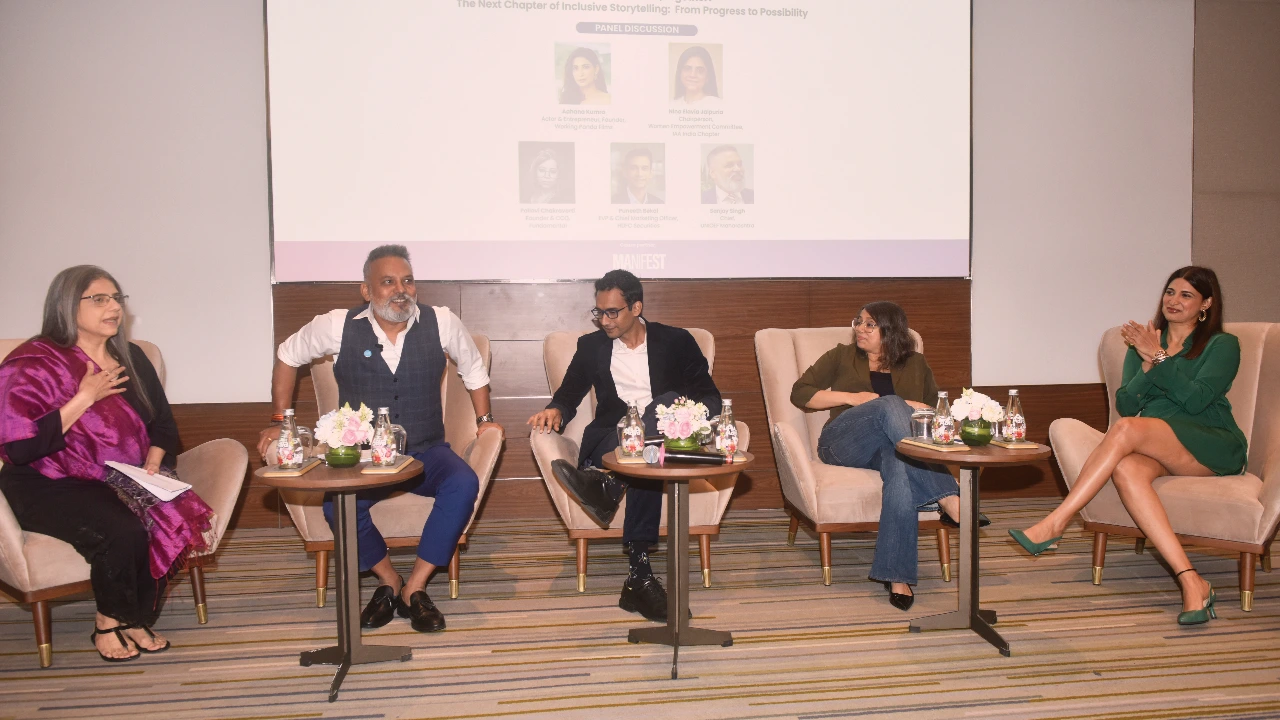
 From left: Nina Elavia Jaipuria, Sanjay Singh, Puneeth Bekal, Pallavi Chakravarti, Aahana Kumra
The India Chapter of the International Advertising Association (IAA), in collaboration with UNICEF, unveiled the findings of the India Advertising Midline Study at the IAA Voice of Change Roundtable held in Mumbai on 7 July 2026. The study, conducted by the Geena Davis Institute, builds on the 2021 Baseline Study, which analysed the 1,000 most-viewed television and digital advertisements across multiple Indian languages, highlighting encouraging progress in gender representation in Indian advertising. Drawing on these insights, industry leaders at the roundtable emphasised that the next phase of progress extends beyond representation, focusing on embedding inclusive storytelling into the fabric of advertising so that it becomes a natural and enduring industry standard.
The India Advertising Midline Study, conducted by the Geena Davis Institute, indicates Indian advertising is making measurable progress in fostering more meaningful gender representation. Unveiled by the India Chapter of the International Advertising Association (IAA) in collaboration with UNICEF at the IAA Voice of Change Roundtable in Mumbai on 7 July, the purpose of the report is to track progress or change in Indian advertisements since the 2021 Baseline study.
Among the findings, there have been positive shifts in how femaleP characters are portrayed in advertising, signalling meaningful progress. The study found a decline in the sexual objectification of women, including fewer portrayals involving partial nudity and sexually revealing clothing.
The study suggests that the industry has made encouraging progress since the 2021 report, with narrower gender gaps, stronger representation of women beyond traditional roles, and fewer stereotypical portrayals. However, disparities remain, particularly in caregiving and workplace representation, while skin-tone diversity continues to require greater attention. The findings reinforce that while meaningful progress has been made, the journey towards more inclusive storytelling is far from over.
While the findings point to encouraging progress, the conversations that followed on the day made one thing equally clear: representation alone is no longer the benchmark.
The industry’s next challenge is to embed inclusion naturally into storytelling so that it no longer feels exceptional.
The next chapter of inclusive storytelling: From progress to possibility
Moderated by Nina Elavia Jaipuria, chairperson, women empowerment committee, IAA India Chapter, a panel brought together Puneeth Bekal, EVP and chief marketing officer, HDFC Securities; Pallavi Chakravarti, founder and CCO, Fundamental; Aahana Kumra, actor, entrepreneur and founder, Working Panda Films; and Sanjay Singh, chief, UNICEF Maharashtra, to evaluate the industry’s progress, understand the gaps that remain, and discuss how advertising can play a meaningful role in shaping culture through authentic representation.
Making inclusion invisible
For Chakravarti, advertising often approaches gender equality in one of two ways.
“There are two kinds of work that try to bridge this gap,” she observed. “Either a sledgehammer or drip irrigation.”
While bold campaigns that openly confront stereotypes have their place, Chakravarti argued that advertising’s greatest influence lies in quietly normalising progressive behaviour. A woman driving a car or a man doing household chores should not be treated as an extraordinary moment worthy of applause. Instead, they should exist as reflections of everyday life.
“Give me normalisation over ‘andolan’ (agitation) any day,” she said.
Chakravarti noted that many agencies no longer consciously ‘gender-correct’ every brief. Inclusive thinking, she suggested, is gradually becoming instinctive, although categories such as finance and automobiles still carry deeply embedded stereotypes that require sustained effort to overcome.
Inclusion is good business
Bekal reinforced the idea that authentic representation is not simply a social obligation but a commercial opportunity.
“If the representation of women fits seamlessly into the narrative, then it makes sense. It shouldn’t be tokenism,” Bekal said.
Drawing from HDFC Securities’ consumer data, Bekal pointed out that women consistently demonstrate stronger financial behaviour through better credit scores, lower delinquency rates and greater investment discipline.
He added, “When it is a market opportunity, the narrative should become gender agnostic.”
Bekal argued that audiences, particularly younger consumers, are increasingly able to distinguish authentic representation from superficial diversity. Simply placing a woman in an advertisement is no longer enough. Her role must feel integral to the story.
Bekal said that campaigns featuring women have often outperformed expectations, not because diversity was the objective, but because they were simply the most credible people to tell those stories.
Representation begins behind the camera
For Kumra, meaningful representation starts much earlier than casting decisions.
Reflecting on her career, she said projects such as Lipstick Under My Burkha fundamentally changed her understanding of storytelling by revealing how deeply audiences around the world connected with stories rooted in women’s lived experiences.
Kumra said, “I realised women really wanted their stories to be told.”
She recalled audiences across international film festivals identifying with experiences that initially seemed uniquely Indian, reinforcing her belief that authenticity resonates far beyond cultural boundaries.
Kumra said, “My experiences prompted me to question everyday gender conditioning, from the discomfort surrounding conversations about menstruation to the persistent lack of women working behind the camera.”
Through her production company, Working Panda Films, Kumra hopes to create more opportunities for women in an industry she believes remains overwhelmingly male.
Advertising is a catalyst, not the whole solution
Singh widened the conversation beyond the role of media.
While acknowledging advertising’s influence, Singh argued that inequality begins long before people encounter brand communications.
“What we’ve realised very clearly is that gender has to become a non-negotiable change strategy across every programme,” he said.
Drawing on UNICEF’s work across Maharashtra, Singh described how unequal expectations are shaped during childhood, reinforced within families and institutions, and further complicated by caste, geography and disability.
Media, Singh said, remains an important catalyst, but lasting change demands coordinated action across families, communities, education systems and public policy.
Optimism over criticism
When asked which stereotypes continue to hold the industry back, the panel highlighted several recurring portrayals.
Bekal questioned the continued reliance on deep male voiceovers as shorthand for authority. Chakravarti called for mothers to be portrayed as individuals rather than endlessly self-sacrificing caregivers, while Kumra urged cinema to move beyond one-dimensional depictions of female friendships.
Yet despite these shortcomings, Kumra chose optimism over criticism.
“I actually want to applaud it,” Kumra said. She cited Ariel’s ‘Share The Load’ as one of advertising’s defining examples of how commercial storytelling can shift behaviour, while acknowledging that cinema still has considerable ground to cover.
For the panel, the consensus was unmistakable. Advertising has moved beyond merely questioning stereotypes. Its next responsibility is ensuring inclusion becomes so commonplace that it doesn’t need separate focus.
‘You have to be a lover, not an expert’: Josy Paul on creativity that changes culture
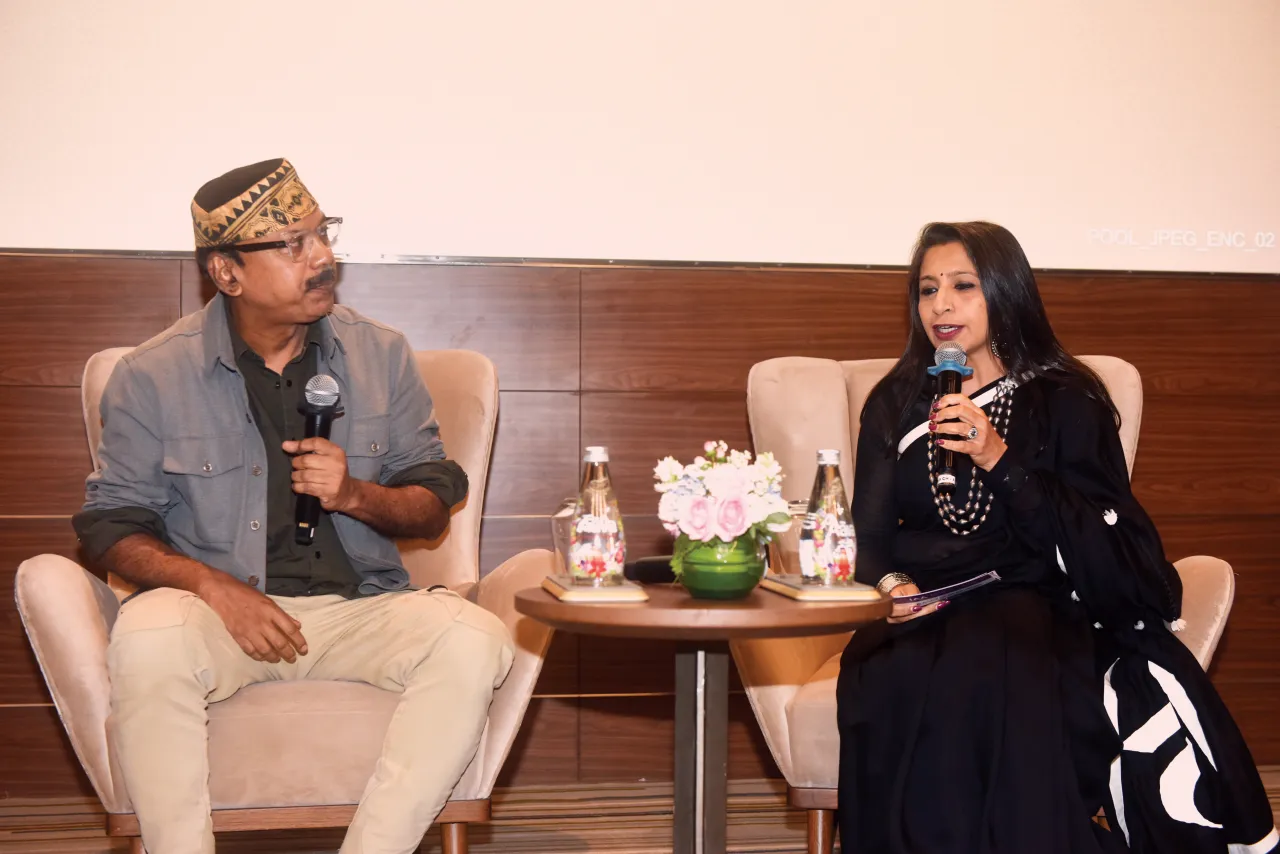
While the panel explored where advertising is heading, the fireside conversation between Megha Tata, co-chairperson, women empowerment committee, IAA India Chapter, and Josy Paul, chairperson and chief creative officer, BBDO India, examined how creativity can shape culture.
Reflecting on campaigns including Ariel’s ‘Share The Load’ and Whisper’s ‘Touch the Pickle’, Paul argued that advertising earns cultural relevance not by chasing awards but by making people feel recognised.
“When you include the world, the world includes you, and that is how one becomes part of culture,” Paul said.
For Paul, campaigns succeed when audiences stop talking about the advertisement and start talking about themselves. That, he said, was the defining moment for Share The Load. Thousands of responses focused not on the film’s craft but on personal experiences, family relationships and household responsibilities.
“We realised we’d touched something,” he added.
He recalled receiving a call from a musician who apologised to his wife and daughters after watching the campaign, a reminder that advertising can become a language people borrow to express emotions they struggle to articulate.
Rather than positioning himself as an expert on social change, Paul described himself as ‘a lover’, believing the most enduring campaigns uncover truths that audiences already carry but rarely voice.
“What we’ve tried to do with this campaign is uncover hidden truths,” Paul remarked.
He admitted cultural movements cannot be predicted, yet he remembered instinctively believing ‘Share The Load’ would spark conversation the moment he wrote its central line: Is laundry only a woman’s job?
Paul urged creators to examine their own conditioning before attempting to change society. He said, “It’s simply about keeping an open mind and allowing yourself to understand the otherness of others.”
In an era increasingly shaped by algorithms, AI and media, Paul argued that better advertising begins with creators constantly exposing themselves to perspectives different from their own.
Takeaways
The roundtable reinforced that the next phase of progress lies in normalising inclusive storytelling, moving beyond surface-level representation, challenging stereotypes, and ensuring authenticity in both creative narratives and the people behind them. While advertising has the power to shape culture, the discussions made it clear that meaningful and lasting change requires a collective commitment across the industry and society. As the IAA Voice of Change movement continues to break the bias, it will build on the insights of both the Baseline and Midline Studies to sustain this dialogue with agencies, advertisers and industry stakeholders, driving a shared commitment to creating more inclusive stories and equitable gender representation for years to come.
The conversation will continue at the next IAA Voice of Change Roundtable in NCR this September, as the movement carries its dialogue to more voices across the country.
Geetanjali Master, partnerships specialist, UNICEF
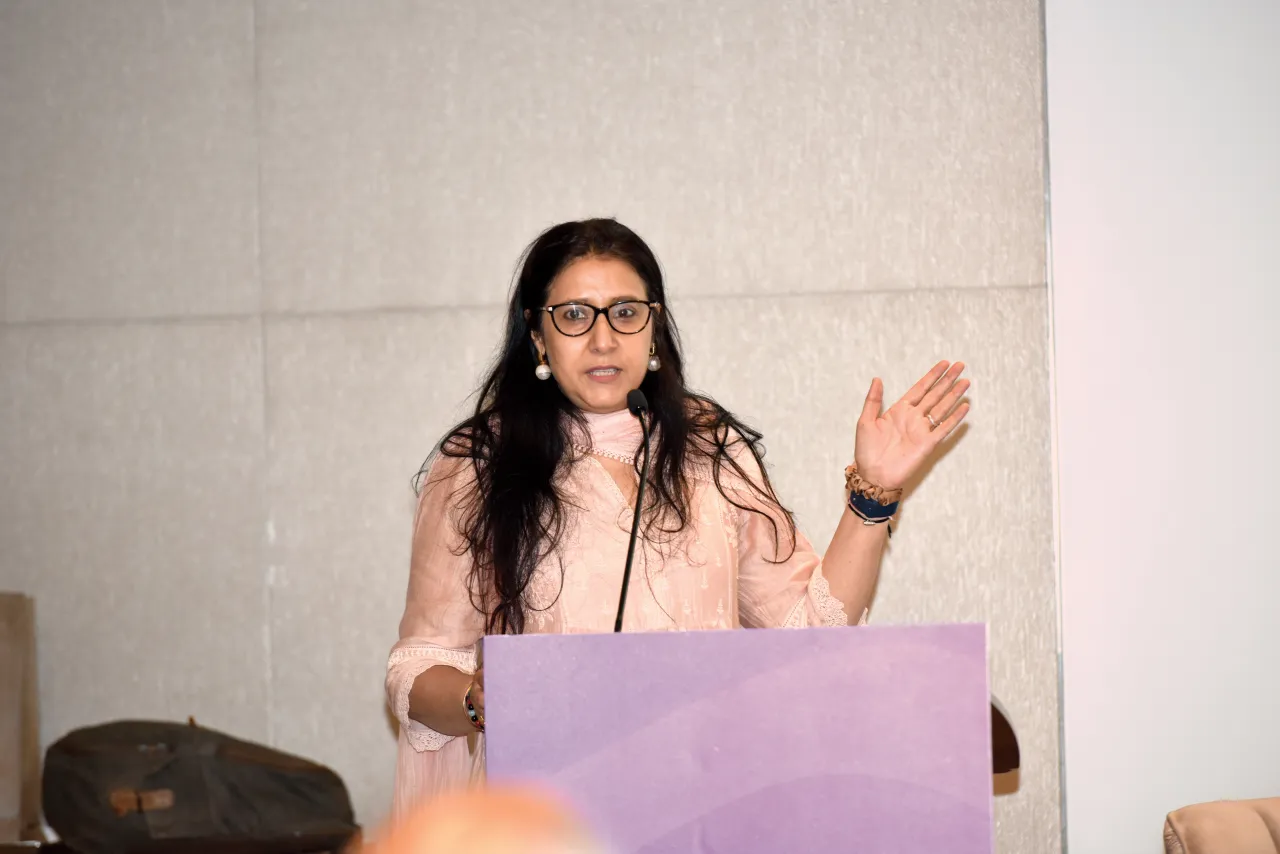
“The needle has moved, but the needle has to move much more. And I think that’s already something that the industry has taken on as a challenge, as a journey that they have initiated, and they own it. The Voice of Change is an industry initiative, and UNICEF is there as a knowledge partner. We are very proud to be part of this whole journey, and we will continue to keep generating evidence, whether it’s anecdotal or data.”
Jairus Ligoo, child protection/adolescent development and participation specialist, UNICEF
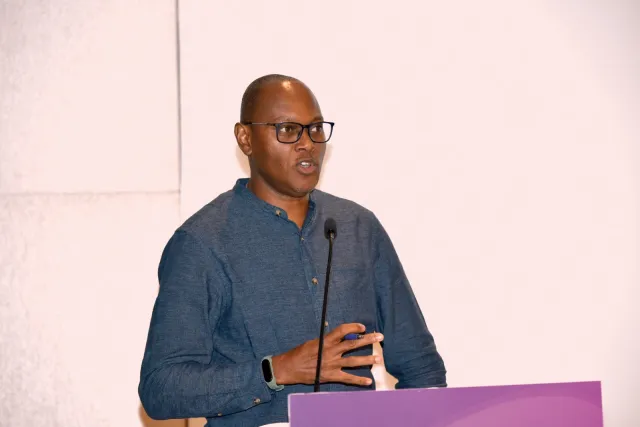
“When girls repeatedly see women shown mainly in domestic roles, it does reinforce some elements and expectations that we have as they grow. It does the same thing for boys as well. For adolescents, what they’re being exposed to shapes their identities, and for some of them, forever. They form these opinions as they grow, and those opinions stay with them. That’s why, for us at UNICEF, looking at how norms can be tackled represents one of the most difficult parts of the work that we have to do. Having the baseline gives us a chance to compare and analyse whether we are making progress or whether we are stagnating.”
Bo Beiskjaer, chief resource mobilisation and partnerships, UNICEF
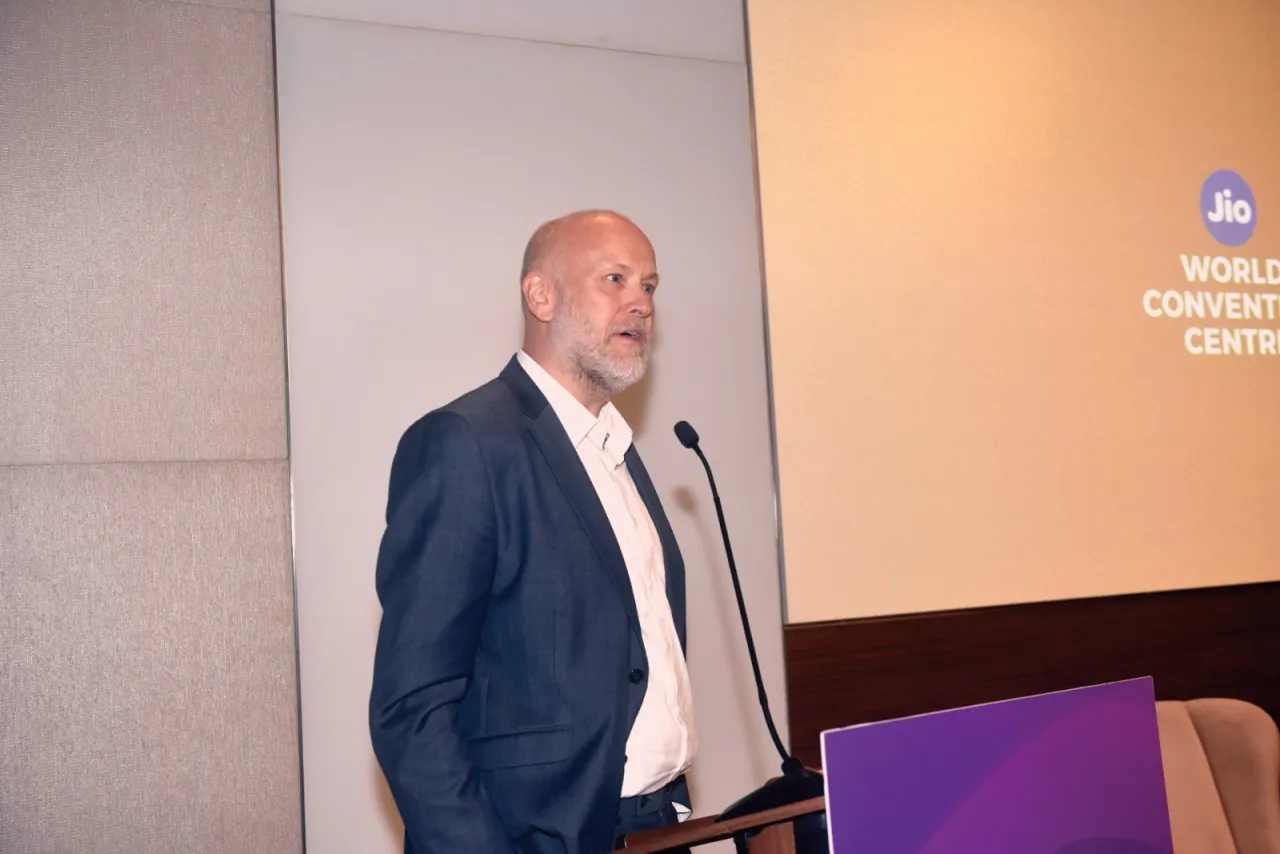
“The ad industry in India is powerful. The power that this industry has in creating that change, in showing what behaviour can be, what it should be, and what we should drive towards, is really impactful. And with power comes responsibility. We can sit back, sell stuff, and can make crores, become extremely wealthy, and buy villas at the beach. But we can also make change for good, to help our children grow up in a world that maybe is just a little bit better than the one that we were born into.”