

 Subscribe
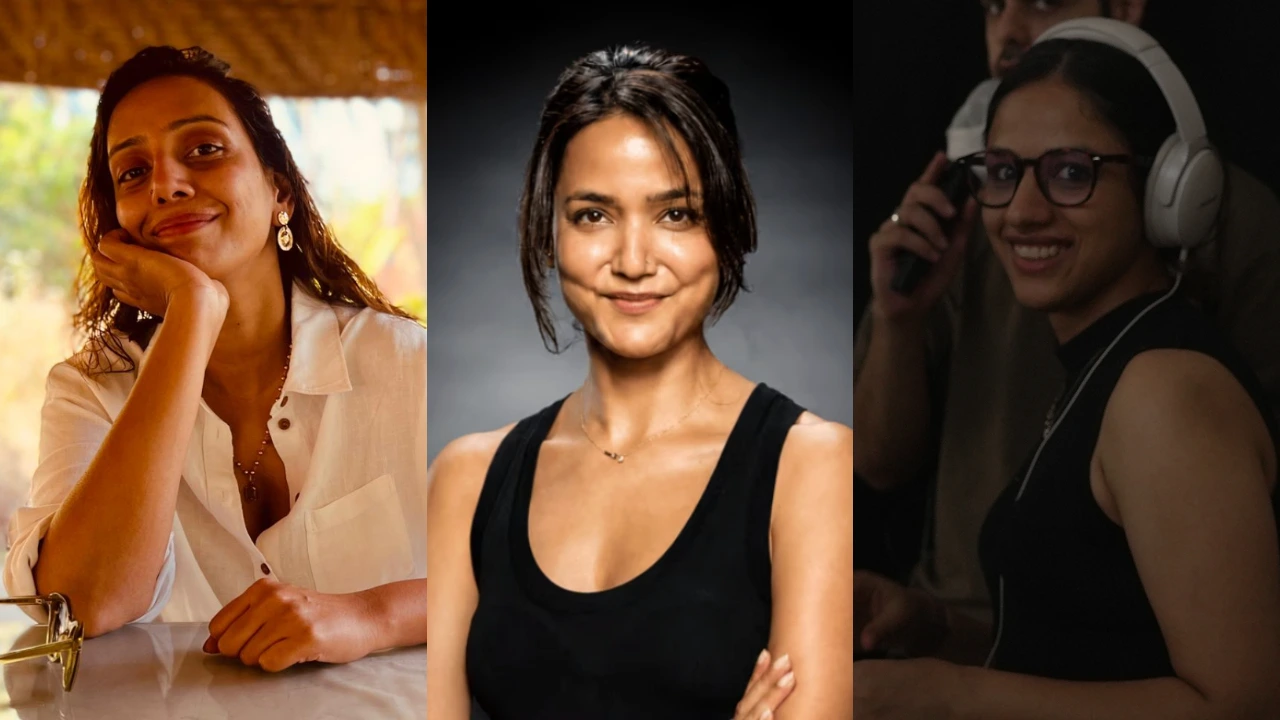
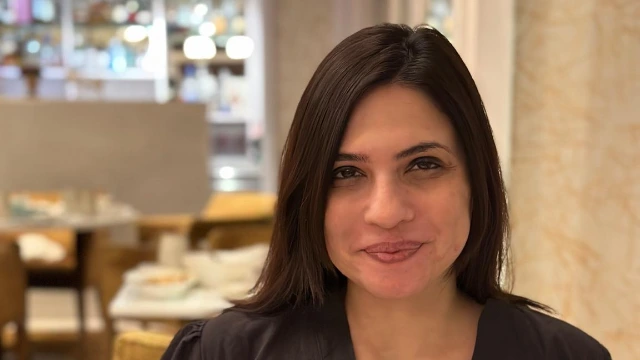
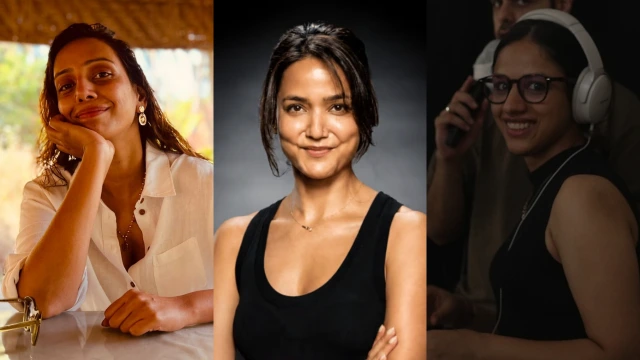
 Afshan Hussain Shaikh, Akanksha Seda and Sonal Batra
Indian advertising had made measurable progress in gender representation, but the numbers suggested that the job was far from done.
The India Advertising Midline Study: Gender Representation and Inclusion Trends, released by the India Chapter of the International Advertising Association (IAA) in partnership with UNICEF, found that gender gaps had narrowed since 2021. There was increased representation of women in professional roles, fewer sexualised portrayals and more balanced depictions of domestic responsibilities. However, gaps persisted in leadership portrayals, workplace representation and the inclusion of diverse identities.
While the findings offered reason for optimism, they also raised a larger question: how much of this progress had translated into the everyday decisions that shaped advertising? From who got entrusted with directing a film to who was imagined as its protagonist, did conscious and unconscious biases continue to influence the creative process?
To explore this, Manifest spoke with women directors, whose experiences offered contrasting perspectives on how far the industry had come, the assumptions that continued to persist and the need to keep questioning them.
For Afshan Hussain Shaikh, founder, Not Bad Films, unconscious bias often manifested in what she described as 'muscle memory conditioning'. She believed it was the split second in which years of societal conditioning influenced a person's response before they had the opportunity to question their assumptions.
"It's that split second where centuries of societal factory settings kick in before everyone's brain catches up with reality," she said.
Shaikh, however, saw encouraging signs in the way brands were beginning to approach casting. She pointed to a film for Pulsar, a historically masculine brand, where a woman was included as part of the protagonist. For her, the decision went beyond casting.
"Taking a historically masculine brand like Pulsar and putting a woman as part of the protagonist isn't just casting, it's a cultural shift. When a client actually has the vision to say, 'Yes, let's break the mould because the time is right'," she said.
Sonal Batra, an ad film director, had a more personal account of how gender and age could influence perceptions of capability. Around a decade earlier, she had been assigned a project that involved travelling to Leh-Ladakh to direct a film for an automobile brand. A senior brand manager was not entirely convinced that someone in her early twenties, particularly a young woman, was the right person for the assignment.
Her boss, however, stood by his decision. Batra went on to direct the film and even operated the camera for parts of the shoot.
"I think a lot of the bias I've experienced comes from preconceived notions about what women are or aren't capable of. We often make those judgments before giving someone the opportunity to prove their merit," she said.
Looking back at that experience, she felt the landscape had changed. Women were increasingly being considered for assignments that may once have been seen as unconventional, whether that meant directing automobile commercials, climbing mountains with a crew or executing complex stunts.
But the question of bias extended beyond who got to direct a film. It also influenced the stories that got told and the people who got to inhabit them.
Batra questioned whether a protagonist could ever truly be gender-neutral, given that lived experiences shaped how people saw and navigated the world. She believed the answer was not necessarily to cast a woman in every such role, but to challenge the instinct to default to a man.
"It's about expanding our idea of who gets to be the hero, the protagonist or simply the person whose story we choose to tell," she said.
Interestingly, Akanksha Seda, director, Good Morning Films, approached the question from a different starting point. She said she had been fortunate to work with progressive, evolved and secure teams, and believed the industry was changing significantly.
For her, progress was most evident when a woman's authority no longer became a talking point.
"When a woman in a position of authority stops being a talking point and becomes perfectly unremarkable. We're getting there. Slowly, but thankfully, without needing to announce our arrival every time," she said.
Yet Seda was also candid about how unconscious bias could find its way into the creative process, including through her own imagination.
She recalled instinctively picturing a man when thinking of characters such as someone behind the wheel of an SUV contemplating health insurance or a photographer having an existential crisis. These seemingly innocuous creative choices revealed how deeply certain stereotypes could be embedded in our thinking.
"We all carry unconscious biases, myself included," she said.
For Seda, the important thing was to keep asking why a character had been imagined a certain way. At the same time, she cautioned against making representation feel like a token exercise.
"Representation shouldn't feel like an obligation, but neither should our imagination be limited by habit," added Seda.
There was also a generational dimension to the conversation. Batra acknowledged that the women directors who came before her had to navigate far more challenging circumstances, and that their persistence had helped make opportunities more accessible to those following them. However, she believed the industry still needed greater representation at the table.
She also made a point about how women perceived their own achievements, arguing that they needed to become more comfortable owning their craft and celebrating their work without feeling compelled to downplay their success.
"You can be humble and still be proud of your work. We spend enough time proving ourselves; we shouldn't also have to spend time making our success look smaller to make everyone else comfortable," said Batra.
The three perspectives may have differed, but they pointed towards a common reality: progress was visible, yet the work of dismantling bias was far from over. Sometimes it required a senior leader to back a young woman for an assignment. Sometimes it meant a client being willing to challenge the conventional image of a brand. And sometimes, it began with a director questioning why her first instinct was to imagine a man in a particular role.
Perhaps the real measure of change would not simply be the number of women directing films or occupying leadership positions. It would be when gender stopped determining who got considered for the job, whose