
 Subscribe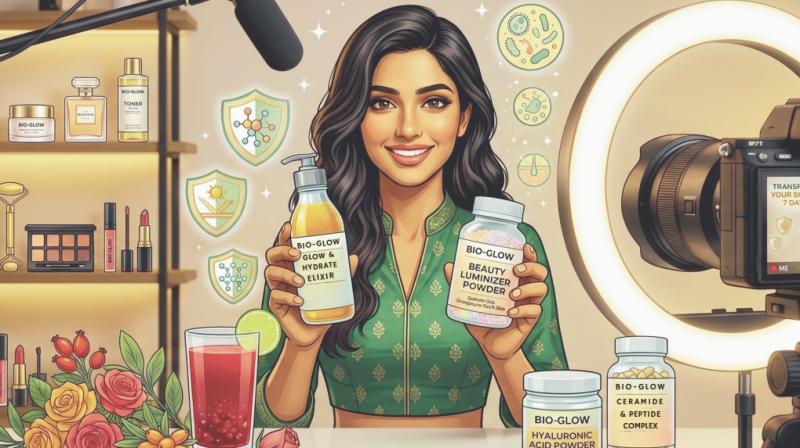
 Of the 1,609 influencer ads processed during the last financial year, 97.3% required modification
The Advertising Standards Council of India (ASCI) has released its annual complaints report which reveals offshore betting, despite regulatory interventions, was the most violative sector, accounting for 6,933 cases.
Second on the list was realty (643 cases), personal care (576 cases), food and beverages (331 cases), and products violating the Drugs and Magic Remedies Act (274 cases).
ASCI reviewed 11,581 cases in FY 2025-26, a 21% increase over the previous year. These cases pertained to 9,841 advertisements, a 37% rise over the previous year; 98% of the ads scrutinised required some modification.
Digital platforms continue to dominate the violations landscape, accounting for 97.3% of all ads scrutinised, with 82% of these being sponsored content on social media platforms. Meta platforms accounted for 79.84% of digital violations.
Among violations, ads promoting harmful products or situations accounted for 75.4% of cases, followed by misleading claims at 27.5%.
Between April and December 2025, 854 influencer violations were identified, including accounts entirely dedicated to offshore betting content.
Influencer marketing continues to be an area of concern beyond the betting category. Of the 1,609 influencer ads processed during the last financial year, 97.3% required modification, with over 54% promoting categories prohibited by law or where advertising is restricted.
The top five influencer violation categories were illegal betting (54%), personal care (16.9%), electronics and consumer durables (7.9%), food and beverages (6.3%), and fashion and lifestyle (4.3%).
In the beauty and personal care and food and beverage categories, widespread use of exaggerated claims, unsubstantiated health benefits and pseudo-scientific assertions were observed.
In personal care, the most common violations involve claims of 'visible, rapid or guaranteed results', such as skin transformation, hair growth or instant outcomes. These complaints were usually upheld due to lack of scientific substantiation, especially when presented as certain or universal. There were also claims around impossible timelines (dandruff gone in '1 wash'), manufactured scientific precision ('11.7x stronger hair'), superlative claims ('India’s No. 1') and others around 'natural' and 'safe' positioning.
Overall voluntary compliance increased from 83% to 86%, with TV and print demonstrating near-perfect adherence at 97%. Of the reviewed ads, 61% were not contested, with advertisers promptly withdrawing or modifying them upon notification.
Sudhanshu Vats, chairperson, ASCI, said, “This year’s complaints data is the reflection of an advertising ecosystem that is being reshaped by intense competition, speed and digital amplification. Across categories, we are seeing a growing tendency toward exaggerated claims, manufactured scientific credibility, influencer-led amplification and the normalisation of non-compliance as a post-publication correction exercise. The report's findings underline the urgent need for stronger accountability, better substantiation standards, responsible influencer practices and preventive approaches to governance in digital advertising.”
Manisha Kapoor, CEO and Secretary General, ASCI, added, “In the digital era, ASCI has constantly pushed the boundaries on consumer protection. Our proactive monitoring system has allowed us to act at a scale and speed that complaint-driven models cannot match. Working closely with the Ministry of Information and Broadcasting has shown how effective stakeholders acting in concert can be when it comes to meaningful consumer protection. Similarly, the partnership with the Telangana Real Estate Regulatory Authority to monitor and curb misleading real estate promotions is helping to reinforce consumer trust in such advertising.”