

 Subscribe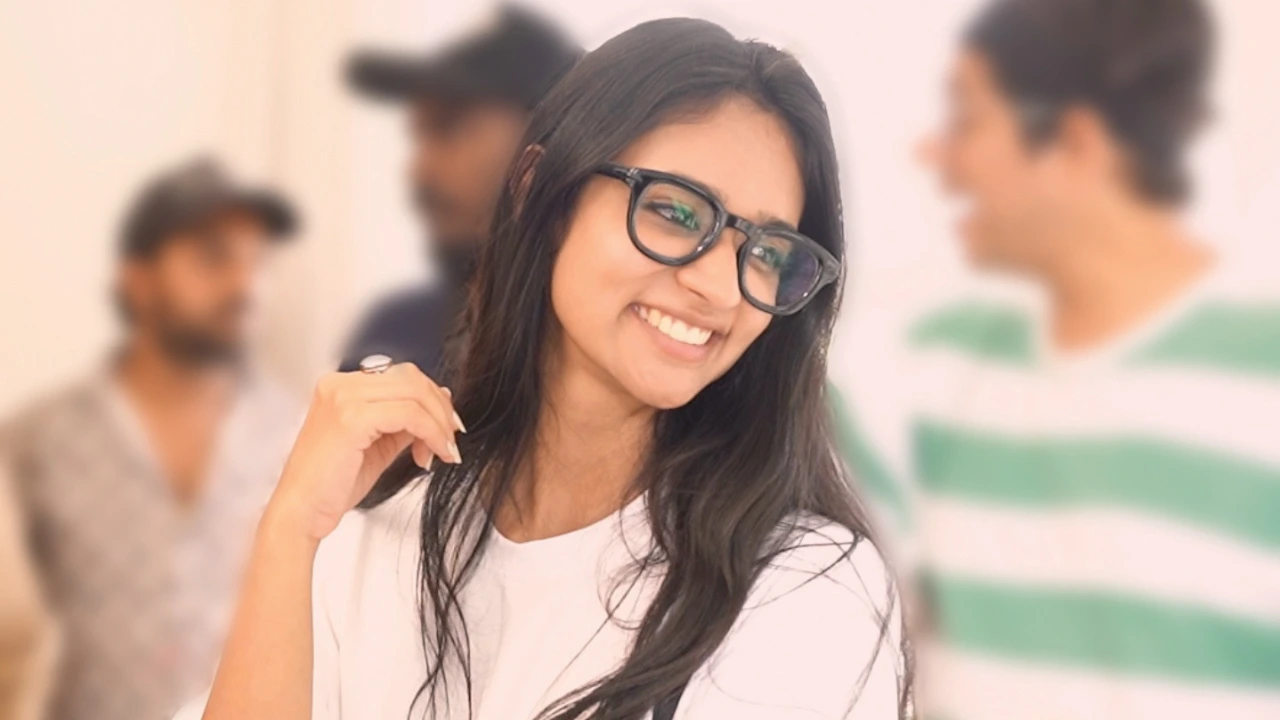
 Riya Kulkarni
A society’s collective consciousness is built on culture - on the stories it consumes, the images it glorifies, and the identities it repeatedly rewards. Gender, ambition, desirability and even self-worth are shaped over time not just by tradition, but by what we watch, hear and eventually internalise.
And very few identities in India have evolved as dramatically as ‘the modern woman.’
Today, women are optimising themselves more than ever before - their beauty, ambition, emotional intelligence, productivity, mental health and desirability - while simultaneously navigating careers, relationships, networking, self-care and social expectations. The modern Indian woman is no longer simply expected to “have it all.” She is expected to constantly upgrade herself while ‘in pursuit of trying to have it all.’ And that’s a refreshing change.
It makes women more raw, real, relatable, unlike the earlier perception that stereotyped them into ‘the ideal, perfect’ woman. Somewhere along the way, women have become more accepting of themselves not having it all together. And of womanhood being a journey where terms and conditions always apply.
And culture - particularly advertising and cinema - have played a massive role in building this new identity.
Advertising today no longer merely sells products. It sells ‘upgraded versions of the self.’ A shampoo is not selling healthier hair; it is selling confidence. A skincare brand is not selling hydration; it is selling ‘the main character’ energy. Wellness apps, fitness brands and beauty campaigns all promise transformation disguised as empowerment, not ‘insecurity.’ And that is a big leap in my opinion!
In many ways, advertising has successfully rebranded insecurity as aspiration.
Cinema, too, reflects this shift.
The women of mainstream Indian cinema were once largely confined to familiar archetypes - the sacrificial mother, the object of desire, the damsel waiting to be chosen. From Simran in DDLJ to the suffering idealism of Mother India - female characters often existed within narratives centred around male desire, morality or sacrifice.
But contemporary storytelling has increasingly embraced women with ambition, contradiction, rage and complexity. So to say, the greys greying is great!
Whether it is Queen, English Vinglish redefining self-discovery; Delhi Crime, Dabba Cartel portraying a woman balancing emotional labour with authority; or the rise of female actors reclaiming centrality through OTT platforms - audiences are now accepting women outside rigid stereotypes. And in central roles. With or without moral ambiguity.
Yesteryear actresses continue to command space and relevance beyond the narrow age brackets that once defined female visibility on screen. Or, for that matter, the “femme fatale’ is no longer merely decorative or villainous - she is intelligent, sexual, morally grey and capable of occupying power unapologetically.
And perhaps that is the biggest cultural shift of all.
The modern Indian woman is no longer just participating in society’s narrative. She is curating, branding, scaling and reinventing herself within it. She is the product, the marketing team and the consumer. All at once.
The modern Indian woman is definitely running a startup, and that startup is called - Herself.
The author is a filmmaker and screenwriter.
This article first appeared in the July 2026 issue of Manifest, which can be purchased here.