
 Subscribe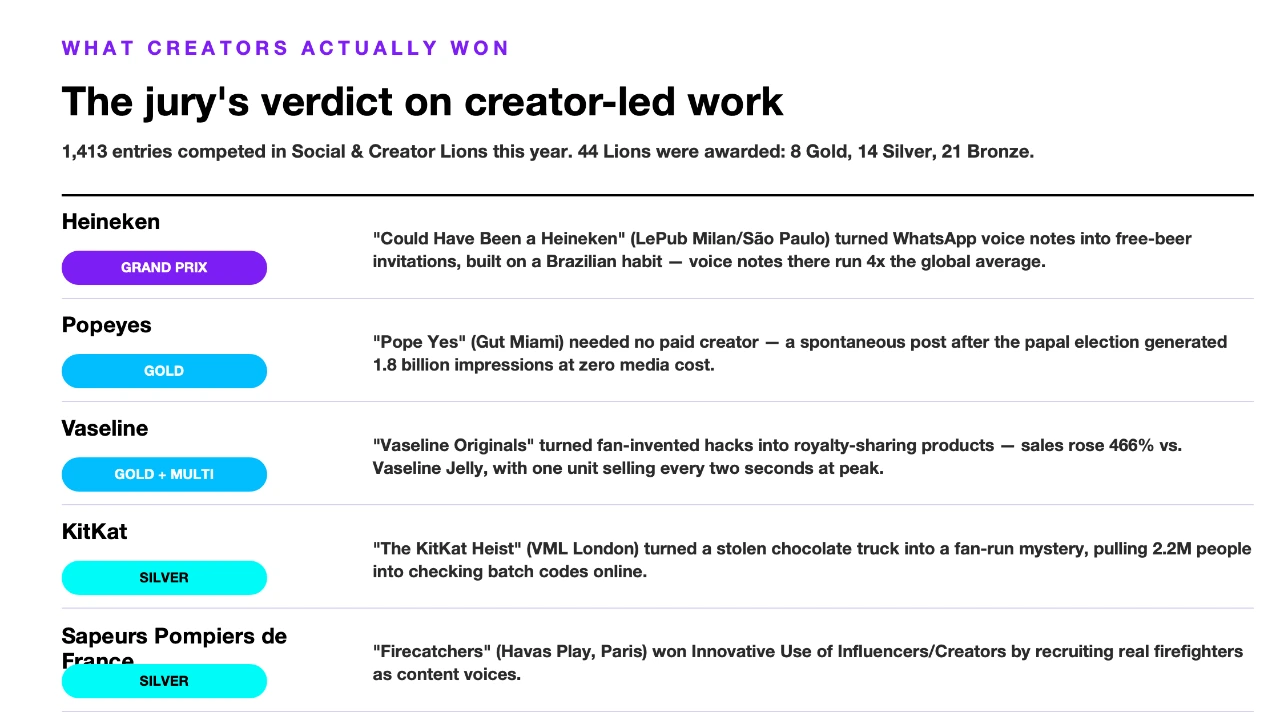
 1,413 entries competed in Social & Creator Lions in which 44 winners were named
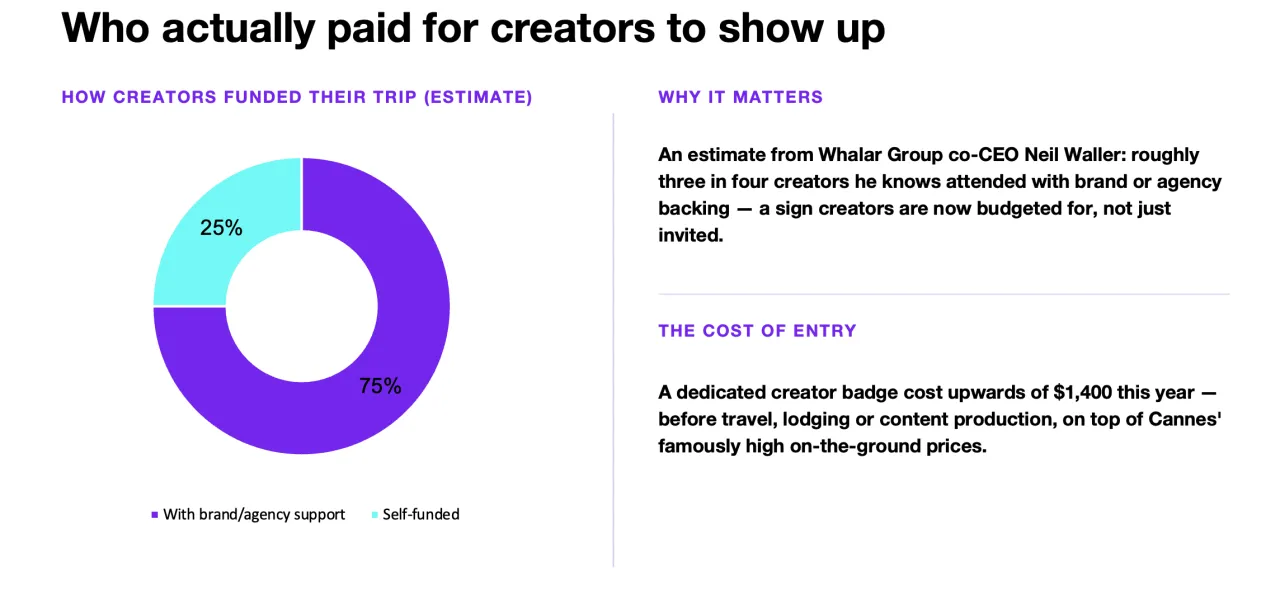
Three in four creators who attended the 2026 Cannes Lions International Festival of Creativity were funded by an agency or brand, according to an estimate by Neil Waller, co-CEO, Whalar Group.
This shows creators are now budgeted for, not just invited.
For years, creators have been present at Cannes Lions, but largely on the sidelines. In 2026, that changed. The festival didn’t simply invite creators into the conversation, it was increasingly built around them.
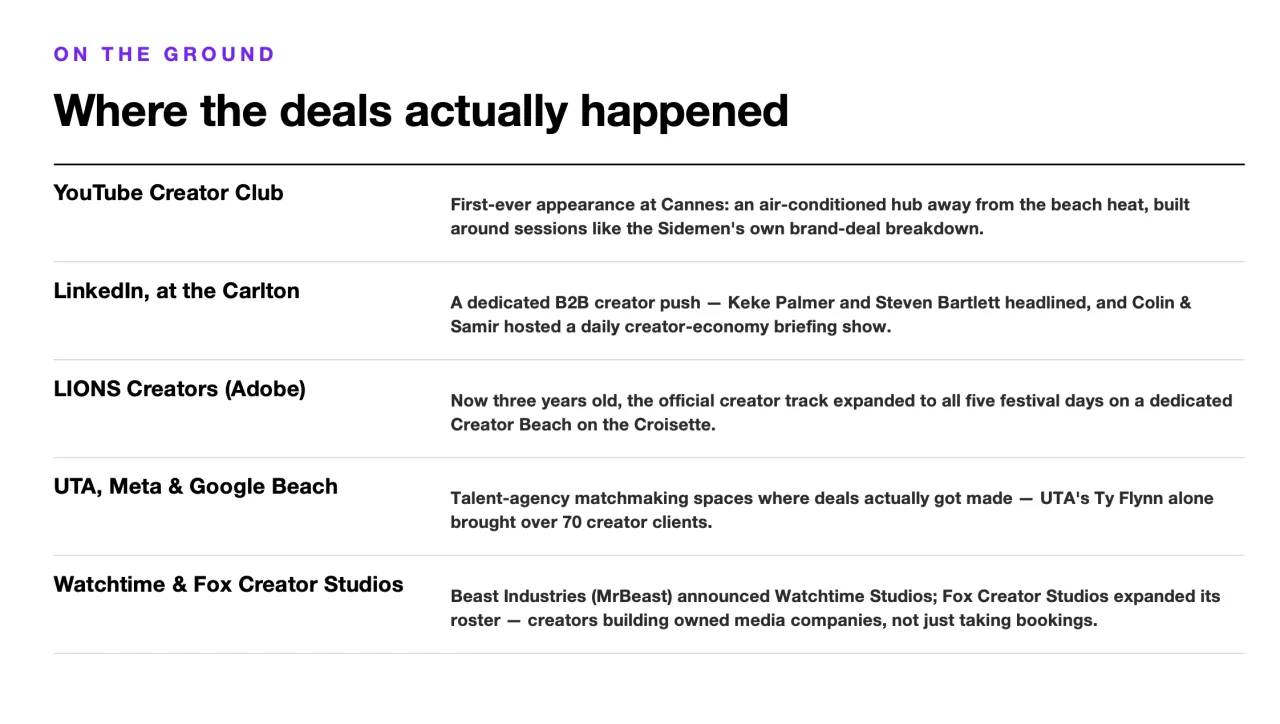
More than 1,000 creators attended this year’s festival, a significant jump from just a handful a few years ago. The official Lions Creators programme, presented with Adobe, expanded into a five-day track on a dedicated ‘Creator Beach’, while platforms, agencies and brands invested heavily in creator-specific programming.
The result was a festival where many of the most important conversations happened outside the Palais and on the beaches lining the Croisette.
The biggest shift, however, wasn’t just where creators showed up, it was how they were being used.
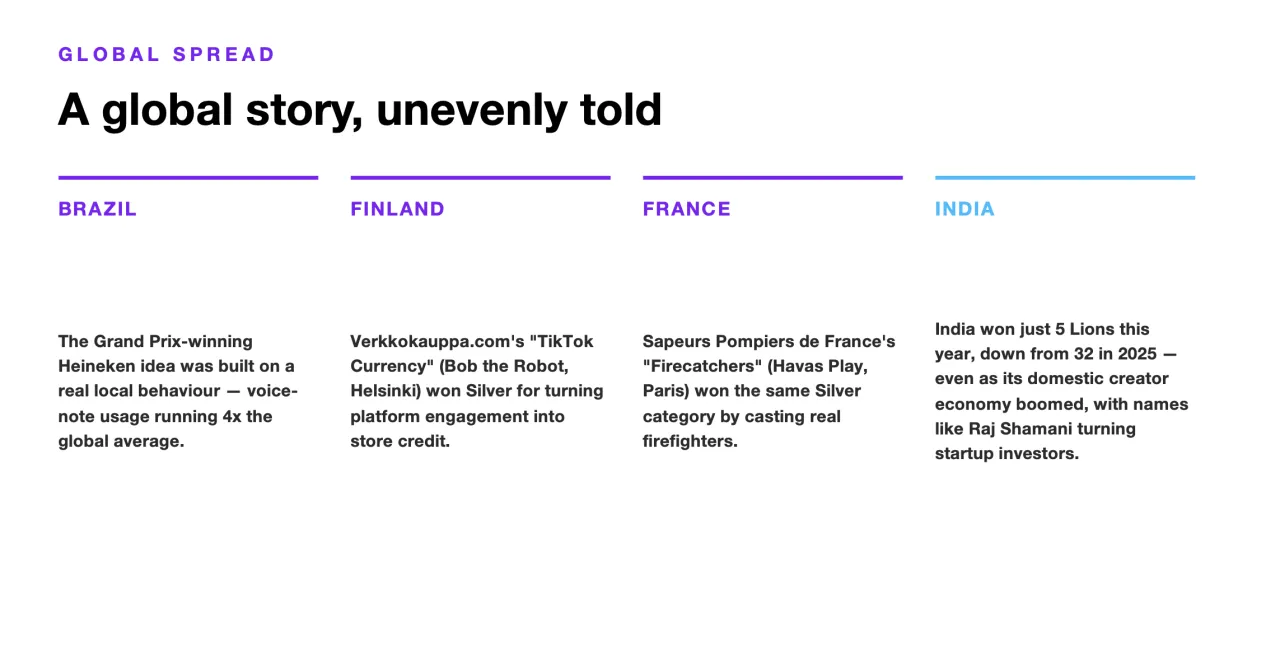
The strongest work recognised by the ‘Social & Creator’ Lions wasn’t driven by celebrity endorsements or influencer posts. Instead, it was rooted in authentic creator behaviour and community participation. Heineken’s Grand Prix-winning ‘Could Have Been a Heineken’ campaign tapped into Brazil’s habit of sending WhatsApp voice notes rather than relying on famous faces.
Vaseline turned fan-created skincare hacks into commercially available products while sharing royalties with the creators whose ideas inspired them. Netflix also showcased a more mature approach, tailoring collaborations to individual creators instead of issuing standardised campaign briefs.
The message was clear: brands are moving away from renting audiences and towards building long-term creator ecosystems.
Platforms also treated the Lions as an opportunity to double down on creators. LinkedIn launched new creator collaboration tools while hosting creator-led programming throughout the week. YouTube debuted its ‘Creator Club’, a dedicated networking and learning hub. Talent agencies such as UTA arrived with large creator rosters (more than 70), in an effort to build more business.
The economics reinforce why this shift matters.
Forbes’ annual ‘Top Creators’ list also crossed a collective USD 1 billion in earnings for the first time, underlining that the creator economy has matured into a mainstream media business rather than an emerging trend.
Yet, the festival also exposed the industry’s unresolved tensions.
Despite creators commanding bigger stages and attracting larger investments, many first-time attendees still described feeling like outsiders.
Some reported being treated as vendors rather than strategic collaborators, while others questioned whether brands truly valued their creative expertise beyond audience reach. McKinsey’s post-festival analysis echoed the sentiment, arguing that many marketers still fail to involve creators early enough in the creative process.
The next challenge for brands is ensuring creators have an equal seat at the decision-making table, not just a badge around their neck.
Boomlet’s recommendations for brands working with creators:
- Start with the creator’s real behaviour, not their reach: Heineken’s Grand Prix came from a genuine cultural insight, not a follower count.
- Budget for creators like you budget for media: Three in four attending creators already come with brand or agency backing — plan for it.
- Design for ongoing partnership, not one-off posts: Netflix, the NBA and Vaseline all built lasting creator ecosystems rather than single campaigns.
- Track sentiment and trust, not just followers: Nano-creators are already out-performing celebrities on reach — measure what drives action.
- Treat creators as collaborators in the room, not talent booked for it: The single biggest complaint this year was feeling like a prop instead of a partner.
Scan to read the full report here.
Data partner: Boomlet