

 Subscribe
 Apeksha Gupta
India's luxury story is unfolding in real time. According to Euromonitor International, India’s luxury goods market is expected to reach USD 14-15 billion by 2026, making it one of the world's fastest-growing luxury markets, fuelled by rising affluence, intergenerational wealth transfer, and increasingly well-travelled consumers.
Against this backdrop, French luxury department store Galeries Lafayette made its Indian debut in Mumbai's Kala Ghoda in October 2025. A second outlet in Delhi is also planned.
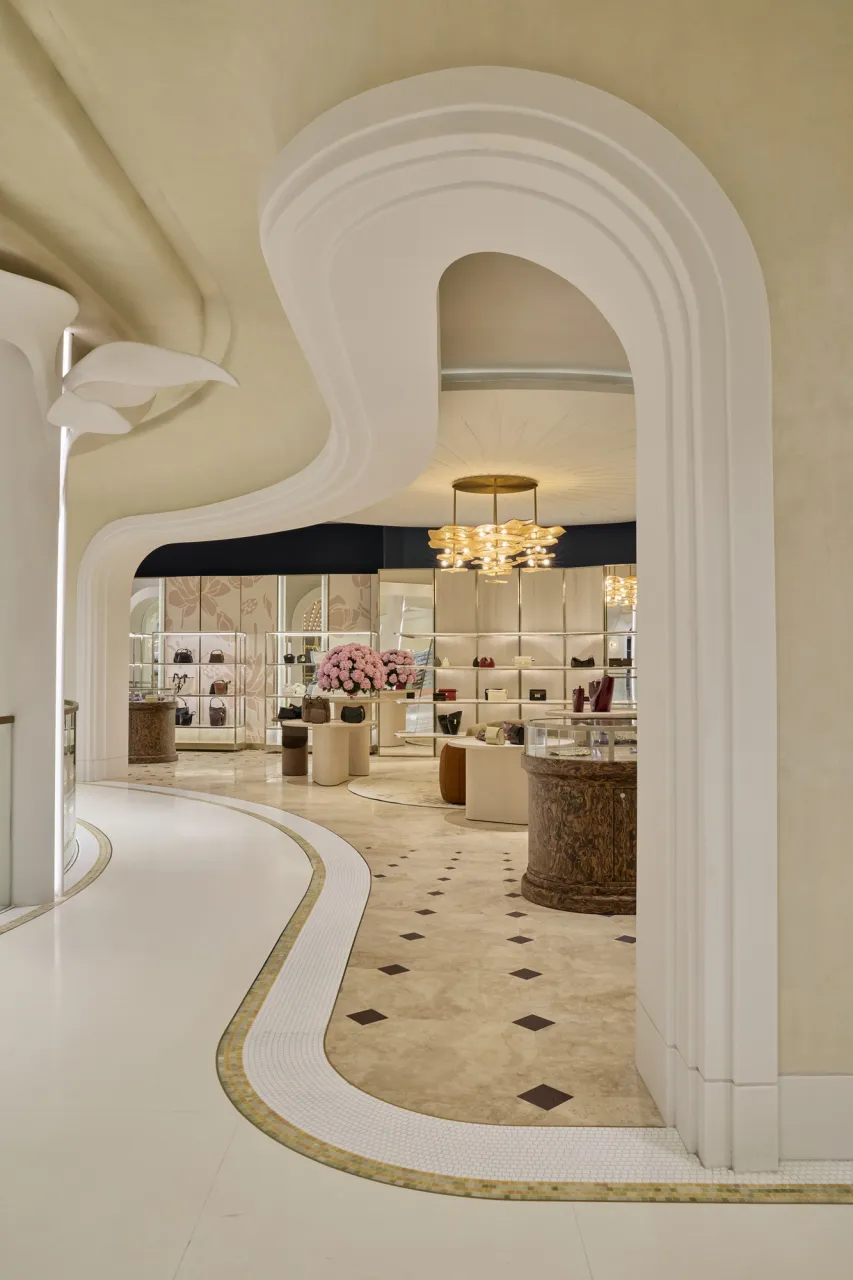
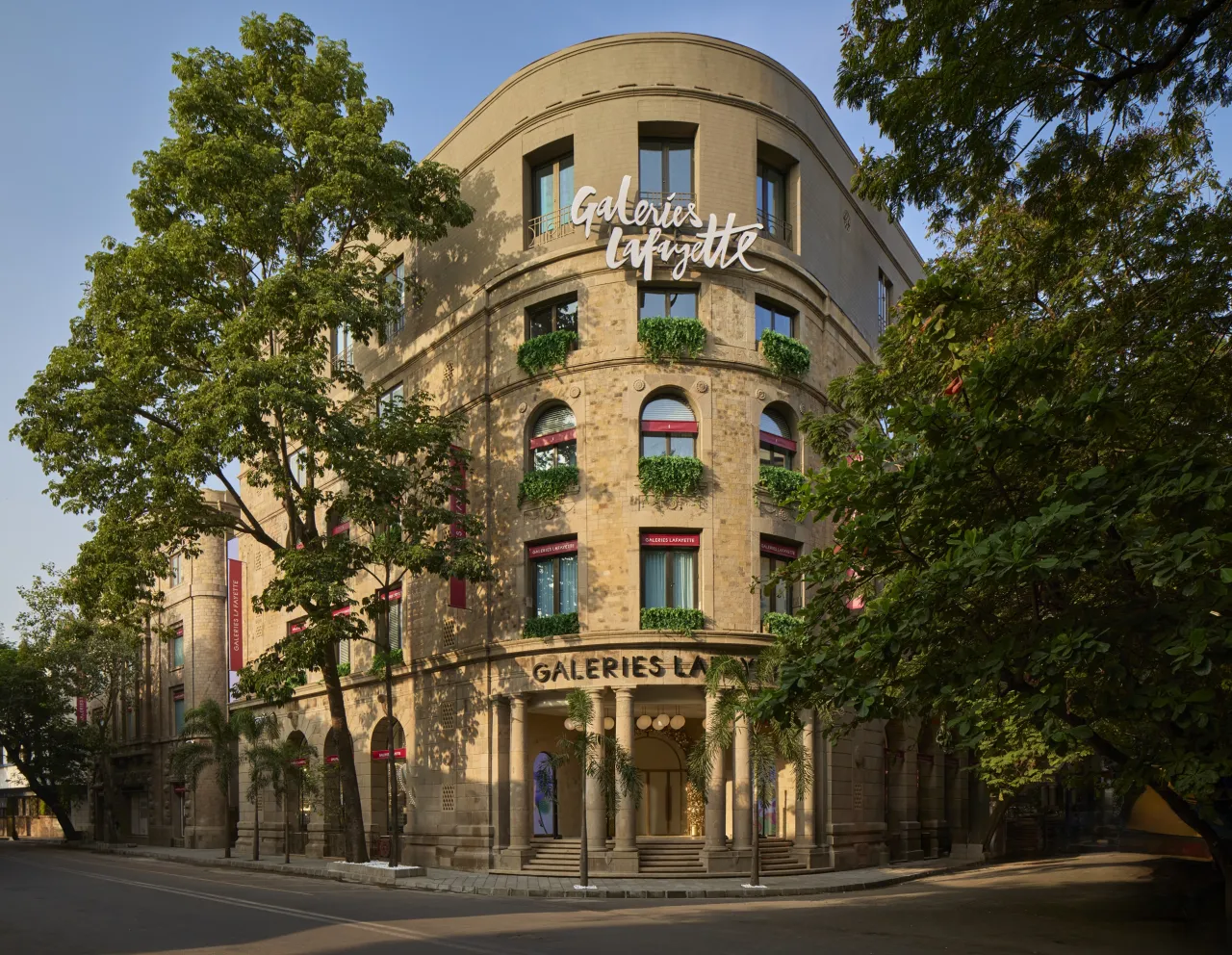
Galeries Lafayette Mumbai
The timing appears apt. While a sizable chunk of luxury spending by Indians has traditionally happened overseas, pandemic-era shifts accelerated domestic luxury consumption and exposed a growing appetite for premium experiences at home.
Yet challenges remain, particularly around the availability of quality luxury retail infrastructure.
Manifest spoke with Apeksha Gupta, chief marketing and growth officer, Galeries Lafayette, Aditya Birla Fashion & Retail, to pick her brain on India's luxury boom, Gen Z consumers, experiential retail, social storytelling and what success looks like for the French retailer's India journey.
Edited excerpts:
Galeries Lafayette launched in October 2025. What market shifts or consumer behaviour changes made the timing feel right?
Luxury has been on the rise over the last few years. While India has a huge luxury-consuming audience, a significant amount of luxury purchasing happens outside the country because these consumers are very well-travelled.
Aditya Birla Fashion and Retail started The Collective, a premium, multi-brand luxury retail chain, 15 years ago. So we have a lot of learnings around how consumer behaviour has evolved. During Covid, when people weren't able to travel, a lot more luxury shopping started happening within the country, and that changed the dynamics.
Luxury today is also far more democratic in terms of access to content. People know much more about luxury brands than they did earlier. India is also going through one of the largest wealth transfers from one generation to another, empowering Gen Z to become a significant luxury consumer cohort.
Many Gen Z consumers have studied abroad and are now returning to India to join family businesses and pursue careers here. They have experienced luxury overseas and naturally demand it here as well. Considering all these dynamics, the timing felt right.
With demand rising, how do you plan to differentiate yourselves?
Competition is actually quite limited. We only have a handful of luxury malls in the country, and no luxury department store in India right now.
There are online platforms that offer luxury products, but there isn't a single destination that offers more than 250 curated brands under one roof. Even luxury e-commerce platforms don't offer the same level of curation and brand mix that we have.
What we're hoping to do is introduce Indian consumers to a world of discovery. Around 70% of the brands we currently house are entering India for the first time. Our ambition is to become the platform where customers can discover brands they've perhaps seen on Instagram or while travelling abroad, but can now experience and purchase in India.
What sort of marketing playbook are you using to bring newer consumers into the store?
We're only in our eighth month of existence, so our marketing playbook will continue to straddle awareness, desire and intent.
The first step is creating awareness, not just about Galeries Lafayette as a store but also about the 250 brands we carry. Then comes desire, which is built through storytelling. Why is Galeries Lafayette an inviting space? Why is each brand special? What's the story behind each brand?
Finally, there's intent. When consumers visit the store, our staff and the overall experience help enable the right purchasing decisions. We'll need to work across all three stages for the next few years.
Experiences have become central to luxury marketing. Could you talk about collaborations such as Lacoste and Roland Garros?
We were very clear from the beginning that when we brought Galeries Lafayette to India, we didn't want it to be just a fashion destination.
Galeries Lafayette is an iconic heritage brand rooted in Paris. We wanted it to be a lifestyle and cultural destination for anyone who becomes a patron of ours. We want conversations beyond fashion. We'd like our identity and DNA to extend into art, culture, subculture, sports and other areas of interest.
Lacoste and Roland Garros are as French as they come, so the partnership felt extremely appropriate. It helped us engage tennis enthusiasts and connect them with what we were doing in-store.
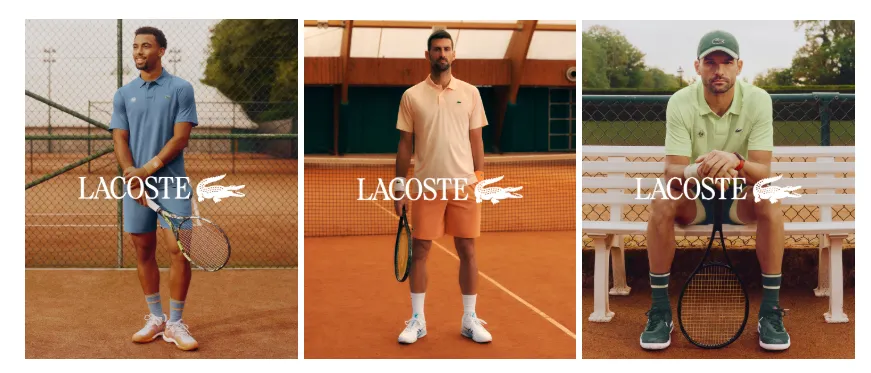
Lacoste and Roland Garros takeover
Similarly, our collaboration with F1 and the Monaco Grand Prix-themed activation helped us engage another community while staying rooted in our heritage. Through these partnerships, we're creating lifestyle-led conversations while engaging passionate communities around those interests.
How do you balance luxury's exclusivity with social media's inclusivity?
Today, luxury marketing through social media is about achieving exclusivity through inclusivity.
We do that through the stories we tell, the depth of those stories, the tone in which we tell them and the creative lens we apply. That's what makes it feel luxurious.
At the same time, we've grown to over 2,10,000 followers in just eight months, which shows we're being inclusive in terms of audience reach. It's really the combination of elevated storytelling and broad reach that helps us navigate the balance between exclusivity and inclusivity.
What remains underserved in the Indian luxury market?
To my mind, it's largely a supply-demand issue. Demand exists, but supply remains limited, and in luxury, supply is heavily dependent on infrastructure.
Luxury requires the right environment, and given India's population density and real estate challenges, it's often difficult to find spaces that are truly suitable for luxury retail. That's perhaps the single biggest barrier preventing more brands from entering the market.
That's also why a concept like ours is relevant. Instead of requiring hundreds of standalone stores, brands can enter India through one destination, and consumers can discover multiple brands in a luxury environment.
What will define success for Galeries Lafayette over the next year?
The proof of the pudding is whether we've served enough customers and whether enough customers choose to spend their share of wallet with us.
We're quite satisfied with the noise we've been able to create in the market. We're still only a season and a half old, and the coming season is critical because it also marks one year of our existence.
Ultimately, success comes down to whether we're able to meet India's growing appetite for luxury consumption. That requires strong brand partnerships, the right curation, the right experience and meaningful engagement with customers. All of those elements have to work together.