

 Subscribe
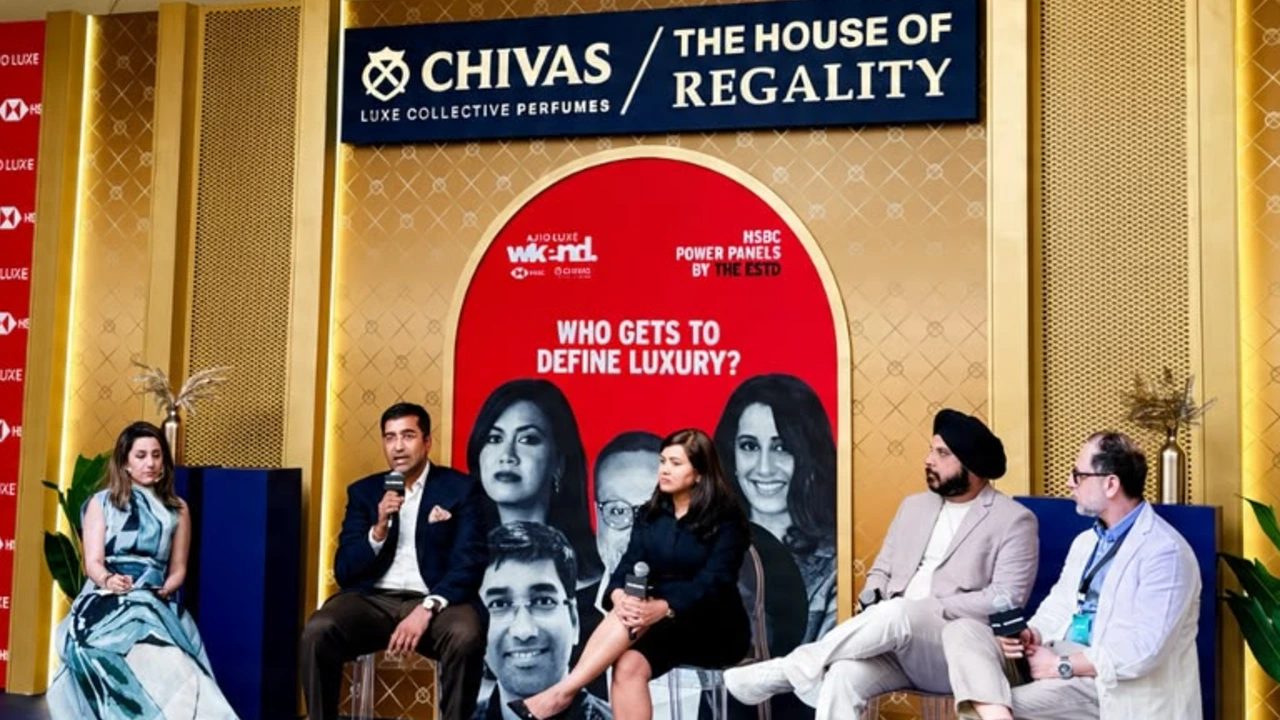
 From left: Avanne Dubash, Deval Shah, Devita Saraf, Jaswinder Sodhi and Pulkith Modi
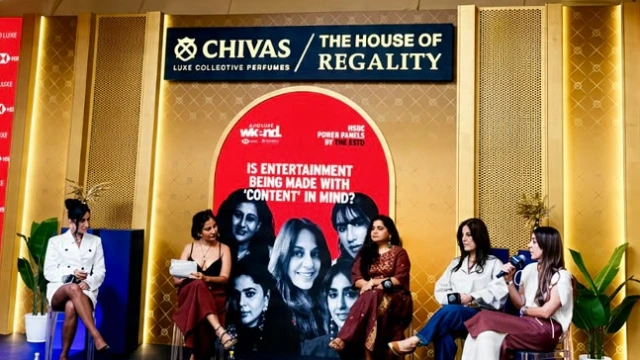
Luxury is no longer just about what consumers own. Increasingly, it is about the experiences they seek, the identities they project and the values they associate with the brands they choose. This shift was at the centre of a discussion titled ‘Who gets to define luxury?’ held on the second day of the sixth edition of the Ajio Luxe Wkend Edition in Mumbai.
The panel featured Deval Shah, group vice-president, Reliance Brands; Devita Saraf, founder, chairperson and CEO, The Vu Group; Pulkith Modi, senior director, brand marketing, Pernod Ricard India; and Jaswinder Sodhi, head of customer, digital and marketing, HSBC India.
Avanne Dubash, anchor, podcaster, moderated the session.
Defining luxury beyond heritage
Dubash pointed to the contrasting performances of global aspirational brands and Indian couture, alongside Hermès’ growth in FY25, and asked who gets to define luxury today.
Shah argued that traditional gatekeepers, from Parisian fashion houses and Italian craftsmen to Swiss watchmakers, no longer have exclusive control over the category. Consumers, influencers, and purpose-led brands increasingly shape its vocabulary.
“History, heritage and legacy have become more democratised. They are much easier to access, and simply having them is no longer a differentiator that guarantees business,” he said, adding that consumers are increasingly looking for value beyond price and exclusivity, with luxury becoming more closely linked to self-actualisation.
From ownership to self-expression
Saraf described the shift as luxury moving 'from the cupboard to Instagram'. While ownership of gold, watches, bags and art once signalled affluence, consumers today use luxury to express their identities through their clothes, homes, holidays and social media presence.
“Luxury has become more about how it fits into one's life and extends their identity, particularly online and in the way one presents themself to the world, rather than simply being about the value of a bag,” she said.
Sodhi identified access, personalisation, time and purpose as four factors reshaping consumption. He said HSBC had seen the share of sales from travel and experiences almost double over the past 18 months to two years, compared with retail products.
For Modi, consumers are also becoming more discerning about what they pay for. “It is no longer enough to talk about heritage and legacy and expect people to buy into it. Brands now have to create a world that invites people in, allows them to endorse it and makes them feel like they are part of it,” he said.
Shah pointed to changing discretionary spending patterns, noting that rising costs had recently led consumers to deprioritise travel, while spending on events and experiences had gained traction. He cited the response to Coldplay’s India concerts as an indication of the country's appetite for live experiences.
Saraf said Indian brands have an opportunity to build products around local consumer insights rather than simply import global models. With businesses sitting on vast amounts of retail and digital data, she said AI could help identify emerging preferences and trends.
“The next phase will be about taking local brands, growing them in India, bringing in our own levels of innovation and design, and then taking these brands to the wider market,” she said.
India's luxury consumer is a ‘family decision’
Saraf said marketers must recognise that buying a high-value product in India is rarely an individual decision. Brands need to appeal to children, women, men and older family members rather than focus only on the person paying for the purchase.
She recalled how purchasing decisions in her father’s business, Zenith Computers, were once largely made by the father of the household. That has changed considerably.
“By the time I started my company, a 12-year-old child was deciding which computer the family would buy. The wife had become the person who would say, ‘I like this product, but I don't like that one.’ The husband was sometimes just a walking wallet whose job was to pay for what the family wanted,” she shared.
Sodhi said the market would continue to support niche luxury brands commanding higher price points, alongside partnerships that create broader consumer ecosystems. He also pointed to the growing importance of buyers from tier-two and tier-three cities, arguing that market expansion would extend beyond India's largest urban centres.
"Brands that stay true to their core are going to be leaders in the luxury space", expressed Sodhi.
Legacy brands must evolve
Modi said established luxury brands could no longer rely on their past reputation and needed to evolve alongside changing consumer expectations.
“One cannot continue selling their past. They need to evolve, and probably faster than the consumer is evolving. Luxury brands have to stay ahead of the curve,” he said.
He added that collaborations could help brands reach new audiences and connect with emerging consumer interests, citing partnerships such as those with Ferrari as examples of how brands can draw on culture and consumer passions.
The panellists also discussed Indian brands that could make a global mark over the next decade.
Shah pointed to homegrown jewellery and fashion names, including Abu Jani, Sandeep Khosla, Manish Malhotra, Rahul Mishra and Amrapali. Saraf highlighted the potential of Indian fine jewellery, while Modi named Sabyasachi, Good Earth, Forest Essentials and Raw Mango.
Gen Z will audit luxury
On whether Gen Z would save or kill luxury, Shah backed the former, while Modi offered a different perspective: “Neither. They will audit luxury. If the brand passes the audit, it will succeed.”
Shah added that changing consumer behaviour was not unique to India but reflected a wider global shift in spending priorities. The order in which consumers allocate money is changing across generations, with categories that mattered to one generation not necessarily holding the same importance for the next.
The discussion also touched on visible logos versus understated design.
While opinions differed, Modi said he preferred products with recognisable design elements that did not rely on prominent branding.
Looking ahead, the panellists described what luxury is going to look like in the next 10 years.
Shah spoke of self-actualisation. Modi said it would ultimately be about ‘the feeling it brings you and how it makes you feel’, rather than simply possession or the amount paid. As Saraf put it, the future of luxury may be about the ability to ‘fit in and stand out’.