
 Subscribe
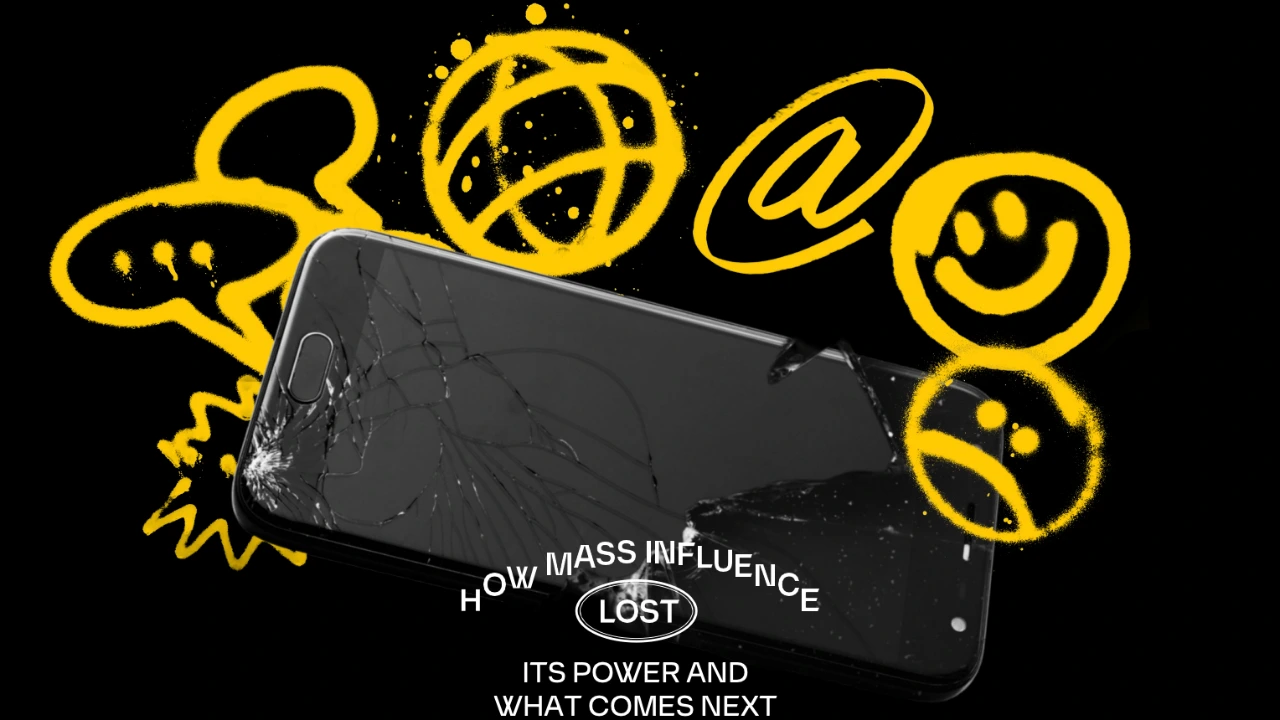
 'Influence became industrialised'
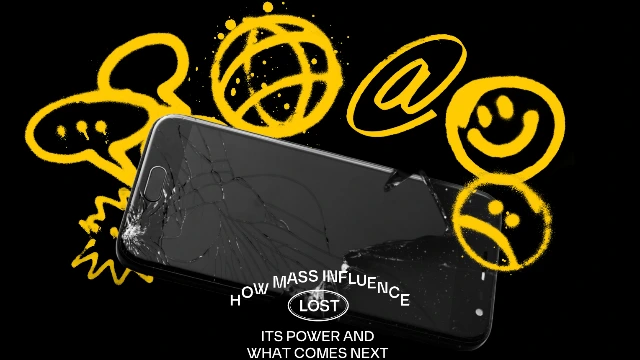
Omnicom has released a report titled 'backlash' which states that 67% of people globally find influencers 'really annoying'.
It states that after years of being overused, the influence machine is 'wearing thin' as manufactured engagement and algorithmic repetition have blurred the line between genuine recommendation and calculated promotion. This is leading to audiences getting tired of trying to decipher the difference.
The report added that the old signals of influence—visibility, popularity, and scale—are no longer automatic proxies for trust or relevance, as people are placing higher value on personal discovery, niche communities with real credibility, and recommendations that feel earned rather than engineered.
According to Omnicom, this shift reflects a broader cultural movement - the last decade treated visibility as the ultimate measure of success, and every system was designed to reward it. The report added that 'every bubble has to burst' and 'every successful system eventually creates its own saturation point'.
This saturation point came due to billions flowing into the creator economy, making influence became industrialised, as they were supported by agencies, affiliate platforms, creator management firms, and copy-and-paste content playbooks. Due to the flooded supply, its ability to command attention began to erode.
The report added that the virality that brands aimed for is now cause for suspicion.
According to Omnicom's report, if the last internet flex was having enough followers and clout to influence everyone else, the next one will be proving that one's own taste cannot be so easily swayed - the ability to resist the algorithm is becoming a reflection of
cultural confidence.
However, the report added that this doesn't mean influence itself is disappearing. It stated that human beings have always borrowed ideas, aesthetics, and identities from one another as that's how culture evolves. What people are rejecting is influence that feels imposed on them. They still want recommendations. They still want to discover great music, restaurants, books
and brands. They just want to feel that they arrived there themselves, without being steered by stealth marketing campaigns or manipulative algorithms.
What does this mean for brands?
According to Omnicom, in the next era, cultural power will come more from concentrated credibility within smaller ecosystems.
The data confirms that trust is already quietly relocating to more private corners of the internet. According to GlobalWebIndex, 63% of internet users say they primarily communicate through DMs and private stories, and on Reddit specifically, 78% of consumers say they trust the platform for product research more than they trust Google or other social platforms. Reddit threads, Discord servers, WhatsApp group chats, and private Substacks all share the same advantage the feed lost—they were built for trust. And unlike reach, trust can't be bought in bulk.
The report states that the most influential people of the next decade may stop looking like influencers altogether. As audiences grow more skeptical of overt persuasion, cultural authority is shifting toward people who don't primarily define themselves by their ability to sell. Instead, they'll earn trust by becoming indispensable to a specific community.
Three principles of the uninfluenced era:
- The further from the feed, the greater the trust.
- Things that feel genuinely discovered are now most desirable.
- Stop manufacturing culture.Build places for it to happen naturally.