
 Subscribe
 Harshil Gala
Walk into almost any workplace today, and one will find AI somewhere in the workflow. It may be assisting in automating a repetitive task, analysing data, or simply helping someone arrive at an answer faster. The job market is changing, and employers are increasingly looking for people who are comfortable with technology and can adapt as that technology shifts.
That makes AI literacy an educational question, not just a technological one.
The students entering the workforce over the next few years are already more tech-savvy than any previous generation. They know how to find information, navigate digital platforms, and interact with AI tools seamlessly. But being comfortable with technology is not the same as understanding how to use it well. That distinction matters deeply.
If a student asks AI, “Give me the answer,” and simply accepts whatever appears on screen, we have made the task easier, but not better. The real educational value lies in asking: “How did we arrive at this answer?” What assumptions were made? Can the student explain the logic without relying on the tool?
We cannot let technology outsource the act of thinking. If we do, we risk weakening the very foundation of education- comprehension, curiosity, reasoning, and independent problem-solving. Technology should make a student more capable, not more dependent.
The reality is that AI gets things wrong. It makes assumptions, pulls in hidden biases, and sometimes fabricates details out of thin air. AI literacy means teaching students that the output on their screen isn't absolute truth; it’s just a rough starting point. They need to learn how to push back on bad logic, cross-reference what they are reading, and realise they can never completely hand over their judgment to a machine.
This isn't about memorising how to use specific software apps or learning precise prompt tricks. Tools change every few months, platforms come and go, and today’s trending interface will look outdated in a couple of years. Teaching students to rely on a specific program is a short-term fix. The real goal is to build adaptable, resilient thinkers who know how to ask hard questions, double-check information, and reach sound conclusions on their own no matter what software is in front of them.
Education cannot stand still and prepare people for a world that no longer exists. Modern workplaces don't need people who simply mirror what an algorithm tells them to do; they need individuals who can spot flaws, bring original perspectives, and drive new ideas forward. Preparing students for the future doesn't mean teaching them to follow technology; it means giving them the backbone to lead alongside it.
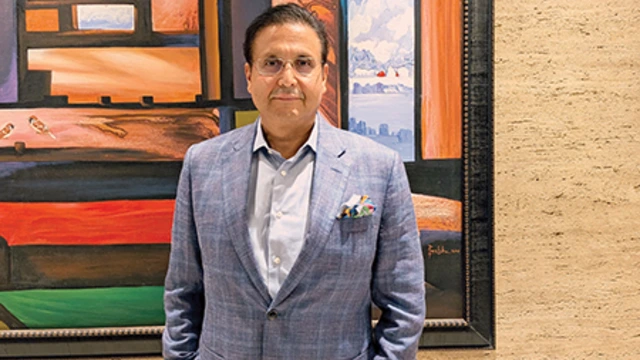
The author is president - CBSE and EdTech, Navneet Education