

 Subscribe
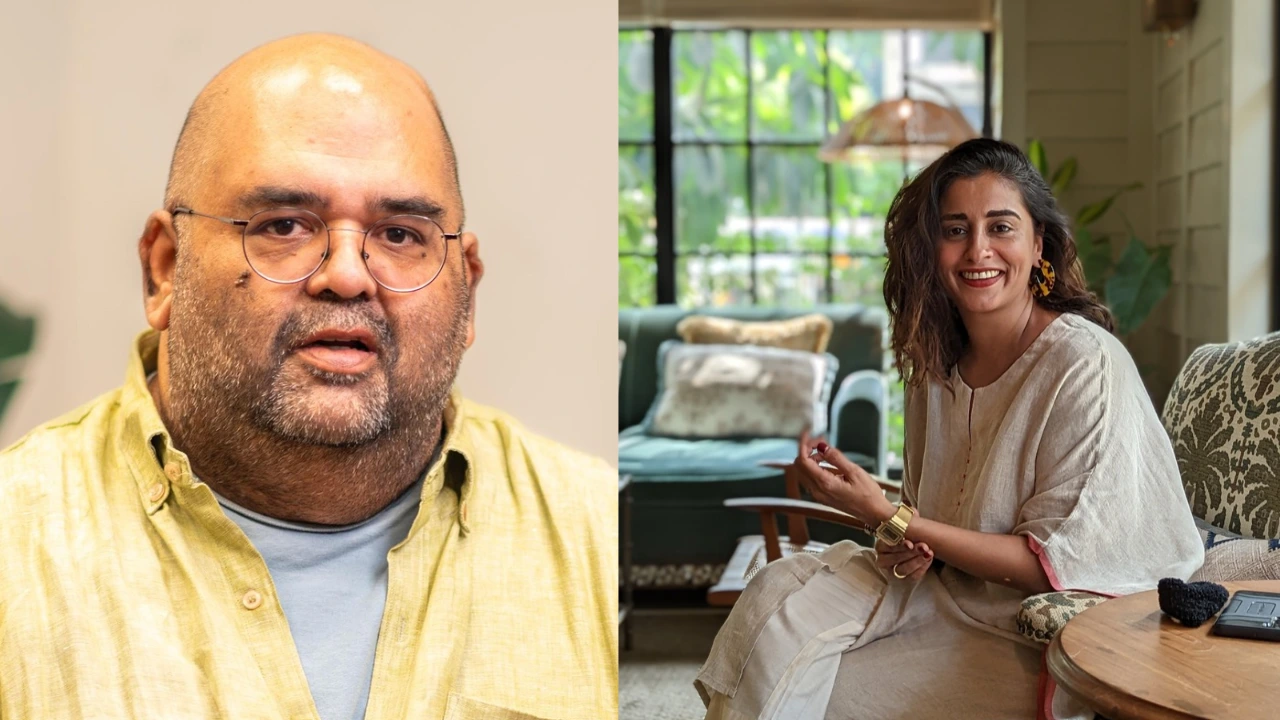
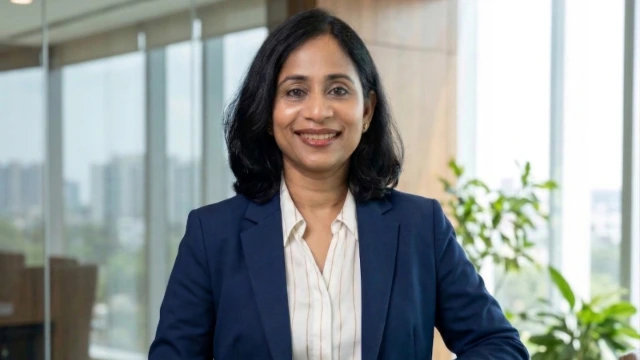
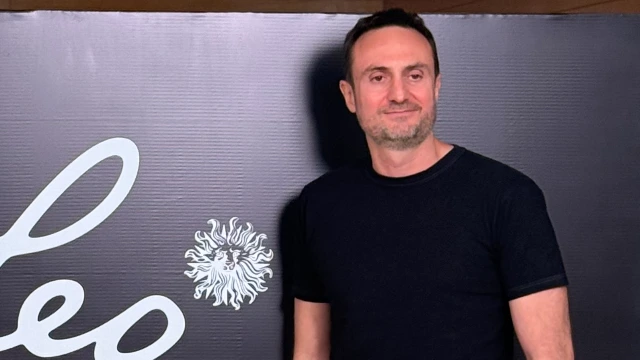
 Amit Doshi (left) and Kavita Rajwade
As podcasting in India moves beyond its audio-first beginnings to become an increasingly video-led and personality-driven medium, the business of creating, distributing and monetising podcasts is changing rapidly.
We caught up with Amit Doshi, head, IVM Podcasts, and Kavita Rajwade, co-founder, IVM Podcasts, to discuss how the industry has evolved over the past decade, the changing dynamics of podcast audiences, the growing influence of video platforms and celebrity-led content, and the opportunities that lie ahead for the medium.
Reflecting on the industry's transformation, Rajwade said, "We are now a video company. Podcasting started with so many USPs. There was very little spoken-word content available, and talk radio was a missing category in India. Radio was predominantly about music and music-related content. But outside of that, there was a dearth of smart content that basically resided on an audio platform, which created an opportunity for conversations and long-form content. So, the shift has been from audio-first, subject-led content to video-led content driven by popular voices."
Doshi recalled that earlier listeners were largely an affluent, niche demographic, with over 60% consuming content on iPhones. Today, however, the audience is far more diverse, and the gender split has also evolved, with male listeners declining from 75–80% to approximately 65%. "Over the years, as podcasting has expanded into video, and other creators have kind of democratised it by creating content in more languages, we have seen a broader audience. We are also seeing a shift in the gender split. Earlier, our audience was heavily male, with men making up around 75–80% of listeners. That is now down to about 65%. There are several shifts like these that show how the audience has evolved."
Rajwade explained how podcasting has moved from competing with music and audiobooks to becoming more of a 'sit-back-and-watch experience'. "When podcasting was an audio medium, we were competing with music and audiobooks for the same share of people's listening time. Now, podcasting has become more of a sit-back-and-watch experience rather than something one listens to on the go. That means we're competing with the likes of Netflix, movie-streaming platforms, sports, and other platforms," she shared.
Despite the growth, Doshi pointed out that several opportunities remain untapped, particularly sports beyond cricket. He also highlights a mismatch between audience engagement and advertising support, noting that brands often favour seasonal shows over year-round podcasts with loyal audiences.
"In India, there are clear gaps. Sports, for instance, is a largely unexplored category. We have an abundance of cricket content across digital platforms and television, but there's room for podcasts covering other sports. There are a few F1 and EFL podcasts coming out of India, but, as far as I'm aware, there are none covering sports like the ISL or kabaddi. I think sports is a huge, untapped opportunity. Another challenge in the Indian podcasting market, particularly from a media business perspective, is the mismatch between audience engagement and brand support. Some of the strongest listener engagement comes from shows that run throughout the year, like Cyrus Says and Cine5 Podcast. Outside IVM, you see this with shows by Moment of Silence, Ranveer Allahbadia and Raj Shamani as well. Yet, brands tend to put more money into shows with around 10 episodes a year. Part of the reason is that they want to own an entire season without competing brands coming in alongside them. There's also greater comfort with the seasonal model," he stated.
Looking ahead, IVM's growth strategy is centred on scale and ambition. As Doshi put it, the aim is to create “more content, with bigger budgets and greater ambition,” reflecting the network's vision for the next phase of India's podcasting industry.
The interview was first published in the November issue of Manifest. To read the entire conversation, get the issue here!