

 Subscribe
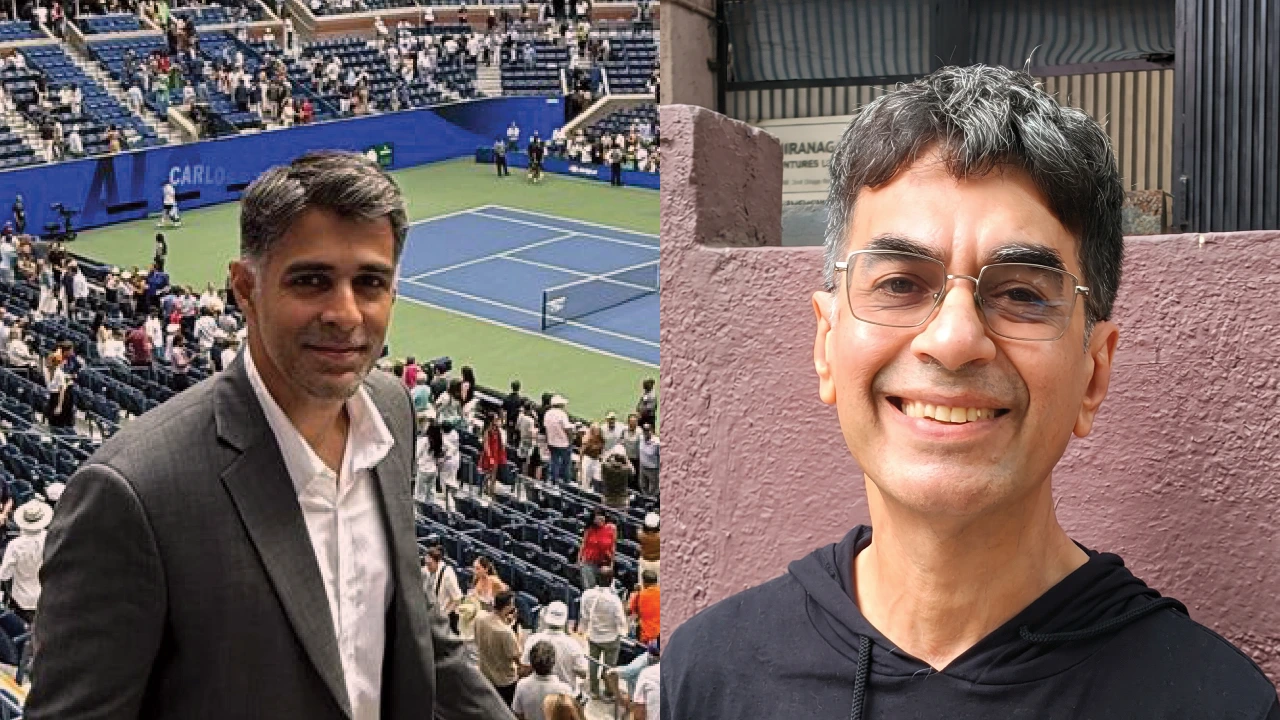
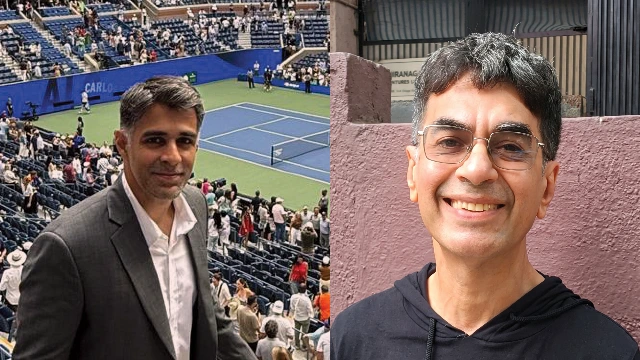
 Ramakrishnan R and Ashok Lalla
Following the news of McDonald’s ending its partnership with FIFA, we aim to understand whether it’s a turning point in how sports sponsorships are viewed or whether it’s just a one-off.
Does McDonald’s exit signal a turning point for sports sponsorships?
Ashok Lalla (AL): McDonald’s ending its FIFA association indicates a shift to sharper, smaller, more regional, fan-first, and brand-centred outreach and engagement campaigns. Global platforms like FIFA and the Olympics which are incredibly large and popular do not really allow for year-long engagement by brands. They also require huge efforts and investments from sponsor brands to activate the global sponsorships over and above the high sponsorship fees paid.
Brands with deep pockets are perhaps looking for greater freedom to create and market their own IPs, something that gets stifled by the strict sponsorship norms of large marquee events like FIFA.
Ramakrishnan R (RR): No, football still commands a premium. Even before the start of the World Cup in the USA, Mexico and Canada, there was a lot of negative press around it. But once the tournament started, football took over. There will always be a time when these long-standing partners pull the plug. That has happened with the Olympics, too (with the likes of Toyota).
It is all about marketing objectives changing. I don’t know on what parameters the CFO or the relevant people within the
company would have evaluated it, but in terms of reach, it is unparalleled. In terms of in-stadium numbers, it is unparalleled.
But sponsoring a FIFA tournament involves a lot of money, so it is all about whether brands can sustain that. These are not short-term deals. They need to sign up for four, eight, 12 or 16 years, covering all competitions.
The marquee event is the men’s World Cup. I believe the women’s World Cup is now sold separately, but there are other tournaments including the U-17 WC.
One should also understand where McDonald’s is in its brand life cycle. The next World Cup is going to be in Spain, Morocco and Portugal. After that, it will be in Saudi Arabia.
McDonald’s could always come back after four years depending on where it is at that point.
Has the balance shifted from borrowed equity to owned IP? Are brands placing greater emphasis on building their own platforms rather than relying on external properties? Or does the cultural scale of an event like the FIFA World Cup remain difficult to replicate independently?
AL: A brand-created, owned and managed IP will in the long run provide stronger, deeper and greater brand benefit than the borrowed halo of a global event IP. While sports continues to be an important platform for brands to reach and engage with fans, non-sporting events like music, cultural festivals, travel and other youth symposia including those around entrepreneurship and startup ecosystems are also becoming important platforms for brands to reach their audiences and build meaningful associations with them.
RR: Owned IPs cannot achieve the scale and reach of an established or coveted sporting event like the FIFA World Cup or the Olympics. I’m sure none of the brands would have the expertise to stay involved in an event of that scale.
Even in India, we had Hyundai doing something with Spotlight. Mastercard does it, and so do a lot of other brands do it successfully. But it cannot substitute a sports marketing partnership on the scale of the FIFA World Cup, the Olympics or even an ICC Cricket World Cup. The FIFA World Cup will happen regardless of who sponsors it and people will watch it.
McDonald’s CFO claimed the campaign didn’t deliver as per expectations in the USA. How can brands measure the real return on sports sponsorships?
AL: Every brand has its own basis for measuring sponsorship results, usually a combination of immediate, short-term vanity metrics and sanity brand metrics measured over a longer period. For McDonald’s, one reason for lower results in the US could be that soccer is not the primary sport with the greatest following there, so the World Cup spike probably did not provide the expected bump in brand or business metrics.
RR: The explanation coming out in the press might be that the objectives have changed, but you don’t really know what is happening behind the scenes. It could be political. We simply do not know.
What does this mean for FIFA and the wider sports sponsorship market? Will other sponsors demand greater accountability, more measurable outcomes and greater flexibility before committing to long-term deals?
AL: An option for brands might be to look at regional level sponsorship rather than going all-in with global deals and long-term commitments.
RR: If one is saying, ‘I’m going to sponsor this event, spend USD 100 on sponsorship and recover USD 200 in sales,’ that is not how brands operate. Brands invest in sports sponsorship because it is real and emotional. And there is reach.
A brand, a CMO or a CEO would not want their brand to be associated with any controversy. There is no question about the FIFA World Cup series in terms of how it is organised and all that. It is unparalleled. Maybe brands will demand more transparency. In terms of the pure sporting product, I’m sure nobody should complain. Media rights values are at an all-time high, and the reach is unparalleled. It is the biggest sport in the world.
What lessons should Indian brands and sports properties take from this development? Should brands rethink their reliance on title sponsorships and official partnerships in favour of more targeted, experience-led activations or properties they can build and own themselves?
AL: In India, fatigue around cricket, the most popular sports platform is already setting in, resulting in lower audience and viewership numbers and media channels struggling to deliver revenues in line with expectations. For brands too, looking beyond cricket to emerging sports and more niche and nascent properties such as e-gaming can be an option to leverage a partner property.
Building brand-centred owned IPs is of course a good idea, but it takes a longer-term commitment from the brand, which most brands seem to shy away from. Instead, they prefer to ride a ready platform and switch to others if results are below expectations.
RR: India is a one-sport nation. We don’t even activate FIFA World Cups in India, right? Even when it comes to Grand Slam tennis, multinational brands that are present hardly activate anything.
For us, it is all about visibility. Even now, we have brands sponsoring India versus Ireland in cricket - and it is all about visibility. There is no activation. It is also about keeping the owners happy, whether that means keeping the brand owners or the company owners happy. They fly there, watch a match and fuel their passion. But I really wish we would activate these sponsorships more.
It also depends on whether the CMO has played sports in college. Then it becomes an easier conversation because they understand the value of sport.
There are a lot of marketing professionals who don’t understand sport. They don’t understand cricket, either, and sponsorship becomes a safe bet for them. One doesn’t need a marketing degree to say all that. Any layperson can say it. Ultimately, what a brand marketer spends INR 100 crore on cricket, it becomes their own PR.
Maybe we have to be a bit more risky. We are a bit risk-averse.
This article first appeared in the November issue of Manifest, which can be bought here.