

 Subscribe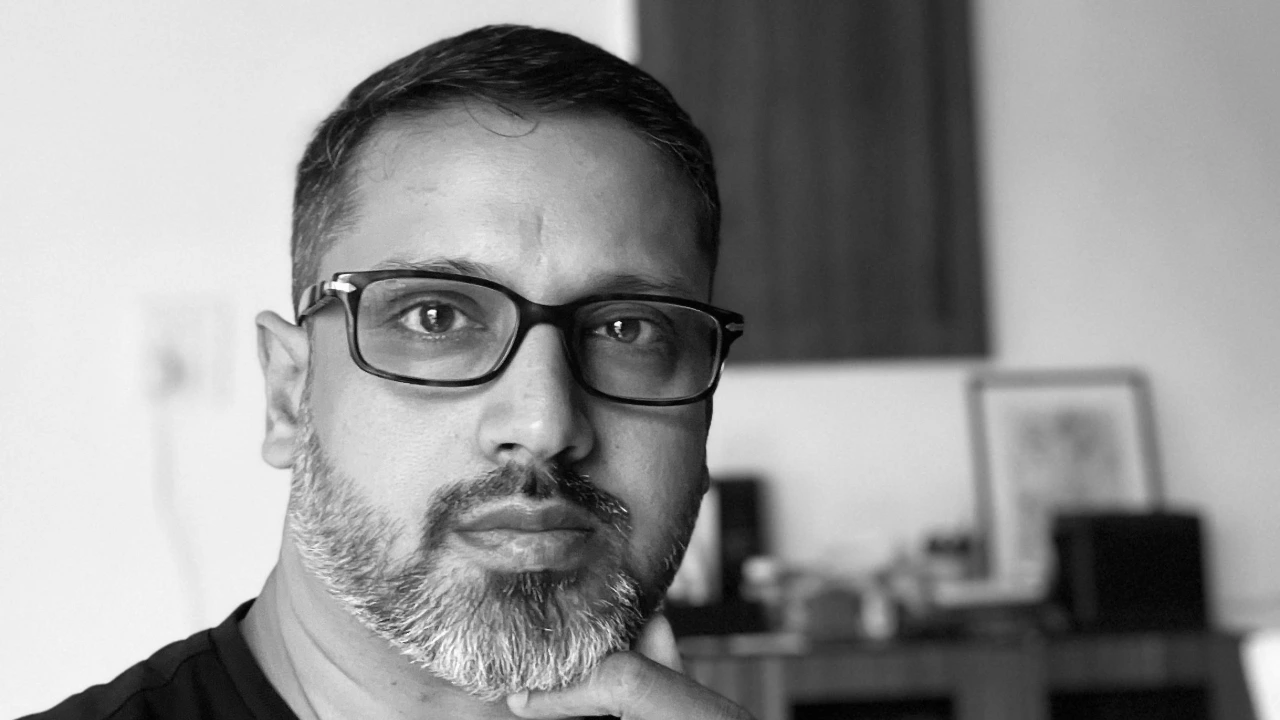
 Sambit Mohanty
I was on an online panel yesterday talking fast content versus slow recall for brands, when a fellow panellist mentioned something that stuck with me: AI-generated videos are getting so real, they're spreading through WhatsApp like brand-new gospel.
Which reminded me of my own brush with this. A gentleman in a WhatsApp group posted a video of Paul McCartney and Ringo Starr reuniting at Abbey Road after 56 years - strolling across the famous crossing, trading stories about 'the lads,' honouring John and George one last time. Beautifully shot. Genuinely moving. Also: completely fake.
When I pointed this out, he got combative. "It looks real," he insisted - as if realism were the same thing as reality. It took some doing to convince him that Paul and Ringo had, in fact, not reunited for a nostalgic zebra-crossing walk. A 10-second Google search would've confirmed it. He just didn't search.
Then there's Starbucks Korea. Earlier this year, they launched a merchandise promo called ‘Tank Day’ - a name that, unbeknownst to the marketing team, also refers to a brutal 1980 crackdown on peaceful protesters. The backlash was instant and brutal in its own right: stock down, cups turned into symbols of shame overnight, the chairman publicly apologising. The campaign, it turned out, had been brainstormed with Generative AI by a team that never thought to check what the name actually meant.
Two unrelated stories. One shared diagnosis: cognitive atrophy.
Your brain works like a muscle. Skip the reps, lose the strength. And AI has quietly become the world's most efficient rep-skipper - it thinks, writes, and brainstorms so we don't have to. Which is exactly the problem. It sounds confident. It sounds logical. It is not, in any meaningful sense, thinking. It's predicting the next plausible word based on patterns with zero interest in whether any of it is true.
Nowhere is this more dangerous than in creativity. Studies show people who lean on AI for creative work produce ideas that are more generic, more predictable, more same-ish than people who wrestle with the blank page themselves. Creativity comes from your brain making weird, unexpected connections across your own memories and experiences. Outsource that, and you don't get help - you get atrophy with better formatting.
The fix isn't complicated: Leave the blank page blank a little longer. Write your own rough, messy, possibly terrible first draft. Quality is irrelevant - the point is the workout, not the output. Then bring in AI to sharpen it, challenge it, poke holes in it.
Do that, and you'll sharpen a skill AI can't fake for you: telling the real thing from the impressively fake one. Even when it's two ex-Beatles taking a stroll, they never actually took.
The author is group chief creative officer, Yaap.