
 Subscribe
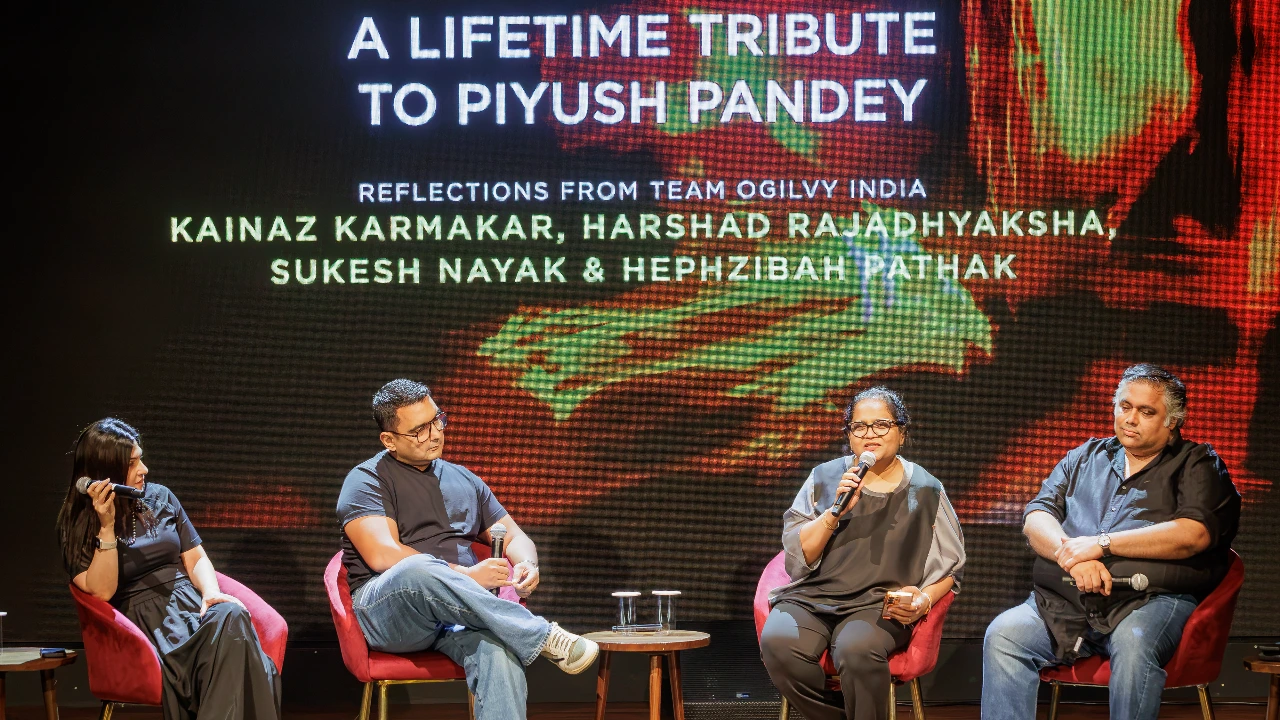
 From left: Kainaz Karmakar, Harshad Rajadhyaksha, Sukesh Nayak, and Hephzibah Pathak
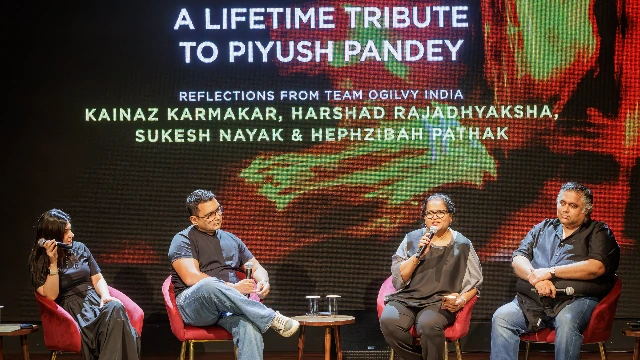
At the first edition of the Good Ads Matter Ad Festival, held in Mumbai on 16 October, Harshad Rajadhyaksha, chief creative officer, Ogilvy India; Hephzibah Pathak, CEO, WPP Creative India; Kainaz Karmakar, chief creative officer, Ogilvy India; and Sukesh Nayak, chief creative officer, Ogilvy India, shared anecdotes about the late great adman Piyush Pandey, with whom they worked for many years.
On his death anniversary, we share a glimpse of what the team had to say. Pandey was known as a creative genius: a storyteller whose imagination extended far beyond advertising, someone who instinctively found a way forward, and a colleague who ensured nobody was ever left out.
Beyond the advertising legend, Pandey was a man whose many other gifts revealed themselves over the years of working, travelling, sharing meals and simply spending time together.
Rajadhyaksha recalled Pandey’s extraordinary creative instinct.
“Piyush was naturally gifted, God-gifted. A room full of people might spend two hours struggling to find a solution to a problem, and then this man walks in and, within three minutes, comes up with the finest possible solution. Naturally, people might say that he has Chhatrachhaya of God. Only a God-gifted talent can reach this level,” he said.
Yet, even after years of working with him, there were still discoveries to be made. Rajadhyaksha recalls one such moment from around three years ago.
“Kainaz and I were at his apartment, and when all the work was done, he came and said, ‘Maine kuch likha hai, tumhe sunata hun’. Usually, that would mean a treat to a Piyush Pandey copy that he’d have written for a campaign. But when he started narrating, we were blown away; it was some of his non-advertising work. For us, it was a revelation after so many years of working with him.”
The ability to find a way forward, rather than retrace his steps, was evident even in the smallest details of Pandey’s working style.
Pathak stated how he dictated memos and emails to his secretary, approaching the process very differently from most people who write and rewrite until they find the right words.
“Unlike us, who go back, retype, delete, cancel, and rearrange our words until we get them right, he had a completely different way of working. When he was dictating and reached a point where he felt something wasn't quite working, he would find a way to pivot and keep moving forward. But he would never go back to cancel anything or ask for something to be changed. He was the kind of man who didn’t believe in going backwards. He didn’t worry about the future and was very much in the present. This particular trait of his was actually very symbolic of the kind of person he was.”
Beyond his creative instincts and distinctive way of working, Pandey was also someone who loved company, good food and the unplanned adventures that came with being surrounded by people he cared about.
Nayak spoke about how Pandey disliked travelling alone, often turning even the simplest journey into an occasion to spend time with others.
“I don't think he ever liked travelling alone. He simply hated being alone. I used to often take detours to go meet him at his house first and then go anywhere. He was also a foodie, so it would turn into a picnic trip, which would have stops on the way. He had this amazing habit of making sure that, whatever the mode of transport, all of us were together. Whether we were going for a client meeting or travelling for any other reason, he somehow always managed to bring everyone along. And those journeys were always great fun.”
Nayak added an experience where they had a beer before a client presentation at 11:30 am. They drank one more on the way and then a few more after a successful presentation, leading his wife to wonder if they were actually with a client.
That instinct to bring people together extended well beyond travel.
Karmakar recalled how important it was to him that his team remained close, both professionally and personally.
“He loved his team, and he always wanted to be with them. He wanted all of us to be together—to eat together, go to the same restaurants, celebrate every occasion together, and make sure we stayed connected with one another. We were in touch with each other every single day. There must have been literally lakhs of people in Piyush’s life. And if you were in his life, he knew what was important to you.”
Karmakar's anecdote was about how he ensured she had her dabba (box) of takeaway coffee from her favourite restaurant with her before any meeting at their house, while the others enjoyed the tea made there.
Read more from this panel and the festival in the November issue of Manifest, which can be pre-ordered here.