

 Subscribe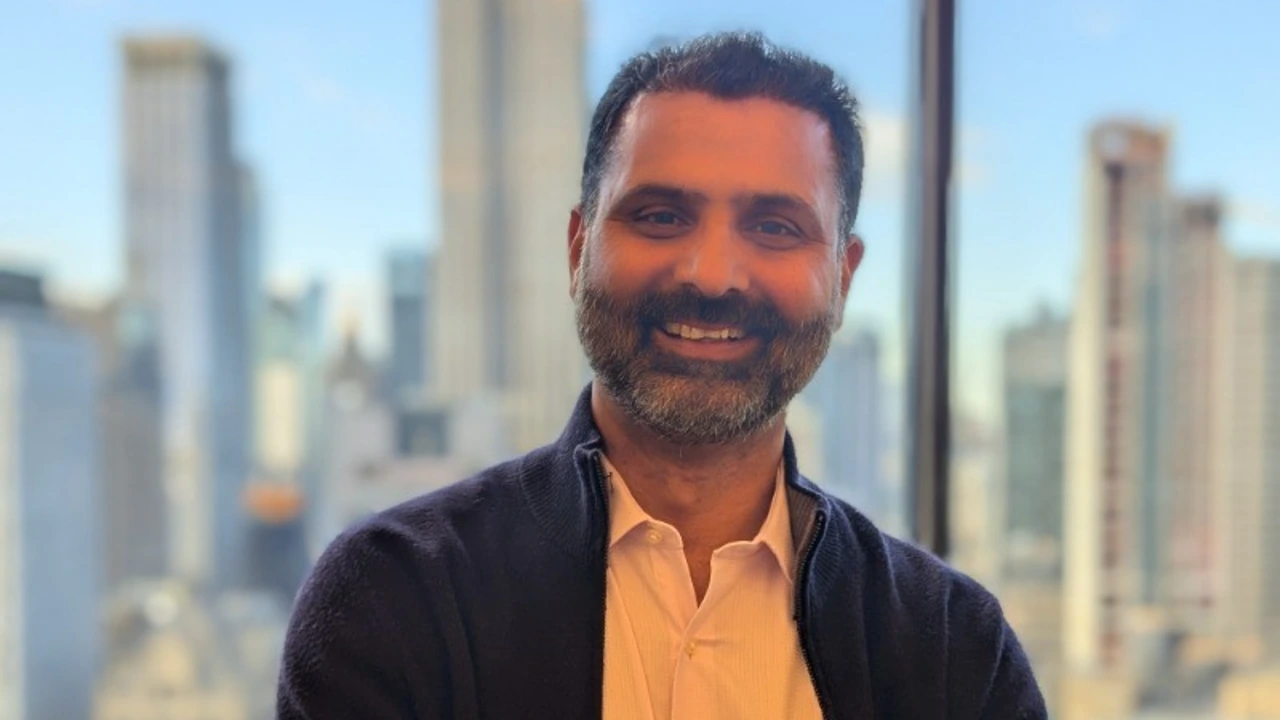
 Rahul Kapoor
India's quick commerce boom has transformed the moment of purchase, but brands are beginning to realise that winning the sale starts much earlier. As competition for onsite retail media intensifies and costs continue to rise, marketers are looking beyond commerce apps to influence shoppers while they're still browsing the open internet. Backed by new consumer behaviour data and insights, Rahul Kapoor, VP - partnerships, The Trade Desk, explains why the industry's next growth opportunity lies in connecting brand discovery with commerce conversion, and why the future of retail media will be measured across the entire consumer journey, not just the last click.
Edited excerpts:
Quick commerce has been sold as the closest thing to the point of purchase. Are brands now realising that winning the sale often depends on influencing consumers hours before they open a commerce app, rather than simply bidding for visibility inside it?
Quick commerce is very effective at closing the sale, but the intent to buy is often shaped much earlier.
Consumers are discovering products, comparing options and forming preferences across OTT, audio, news, display and other open internet environments before they enter a commerce app. E-commerce users spend over half their digital time outside commerce platforms, which means category consideration is often built well before the final transaction.
This matters because many retail media strategies still focus too heavily on the last conversion point. In competitive FMCG categories, on-site retail media inventory is limited, demand is high and CPMs have risen. If brands only show up at the final step, they may be paying a premium to capture demand that was shaped elsewhere.
It is not about choosing between off-site and on-site retail media. The strongest strategies connect both: using off-site media to build demand before consumers enter the app, then using on-site retail media to convert that demand when they are ready to buy.
Through The Trade Desk’s Commerce Connect, brands can activate verified Swiggy retail audience data across more than 5,000 open internet publishers, reaching high-intent audiences at up to 60% lower cost than on-site retail media.
The shift is simple: brands need to influence the decision before the app opens, then measure how each touchpoint contributes to the final outcome instead of giving all the credit to the last click.
Your data suggests e-commerce app users spend over half their digital time on the open internet. Does this challenge the industry's current retail media playbook, which remains heavily focused on onsite conversion metrics and last-click attribution?
Data shows that e-commerce app users spend over half their digital time on the open internet, but only a small share of retail media budgets are invested there. That gap exists almost entirely because last-click attribution gives all the credit to whoever touched the consumer last, and in quick commerce, that's almost always the sponsored listing inside the app.
Last-click attribution creates a self-reinforcing cycle: on-platform gets the credit, so on-platform gets the budget, even as CPMs climb and incremental reach shrinks. It is the equivalent of crediting only the last touch before a goal is scored football, ignoring everything that built the play. The consumer who converted after seeing an OTT ad on Tuesday and a display on Thursday gets attributed entirely to the Swiggy search on Saturday.
Until measurement evolves beyond last-click, budget allocation will continue to be skewed toward on-platform media despite rising costs.
As more brands compete for the same inventory on quick commerce platforms, are you seeing signs of diminishing returns from onsite ads? At what point does customer acquisition become too expensive to justify a conversion-only strategy?
The pressure is real. As more brands compete for limited on-site inventory, especially in high-demand categories like beverages, snacks and personal care, acquisition costs can rise quickly. For lower-margin, high-frequency products, that can put real pressure on ROAS.
That does not mean on-site retail media is less valuable. It means brands need to be more disciplined about the role it plays. On-site media is highly effective close to purchase, but it can become expensive if brands rely on it to do all the work, from demand creation to conversion.
The question marketers need to ask is whether each additional dollar is driving incremental growth, or simply paying more to reach the same shoppers at the final moment. That is where a broader retail media strategy becomes important: using retail data to find efficient reach beyond the commerce app, while reserving premium on-site inventory for the moments where it has the clearest impact.
One of the longstanding criticisms of retail media has been its tendency to favour performance marketing over brand building. Does the data signal a convergence of brand and performance budgets, and how are marketers measuring success across that full funnel?
Yes, and it reflects a bigger shift in how marketers think about growth. Retail media started with a strong performance lens because it sits close to the transaction. But brands are realising that conversion is easier and more efficient when awareness, familiarity and consideration have already been built.
So the conversation is moving from 'brand versus performance; to how both work together. Marketers still need to measure sales, add-to-cart, conversion and ROAS, but they are also paying more attention to reach, frequency, brand lift and consideration because those signals help explain why performance improves over time.
The brands getting this right are not treating retail media only as a last-mile sales channel. They are using it as a way to understand the full path from exposure to purchase, and to make better decisions about where brand investment creates commercial impact.
Historically, retail media networks have operated as walled gardens. By bringing together audience insights from Swiggy, Zepto and BigBasket and other data, will Q-comms be able to crack the code of influencing the consumer hours before they enter the app?
That is exactly the opportunity. Retail media has been very effective at monetising conversion, but historically much of that data has stayed inside individual platforms. That means brands could see what happened at the point of purchase, but had a much more limited view of the journey that led there.
If quick commerce advertising is entering its next phase, what percentage of a typical FMCG or consumer brand's commerce budget do you believe will shift from in-app activation to pre-commerce audience engagement over the next two to three years, and what data gives you confidence in that forecast?
It is difficult to put a precise percentage on it because the shift will vary by category, margin profile and how advanced a brand’s measurement is. But the direction is clear: more commerce budgets will move upstream as brands get better evidence of what drives conversion before the final click.
Three signals give us confidence. First, economics: on-platform inventory is becoming more competitive and expensive, while off-site retail data activation can reach high-intent audiences at up to 60% lower cost. Second, behaviour: ecommerce users spend over half their digital time on the open internet, so there is a clear opportunity to influence demand earlier. Third, measurement: brands can increasingly connect media exposure to commerce outcomes, giving them a stronger basis to justify investment beyond in-app activation.
We are already seeing progressive FMCG brands test this more actively. Some are seeing stronger returns from pre-commerce engagement, including up to 2x higher ROAS on video and 3x on display. So while the exact budget shift will differ, the next phase of quick commerce advertising will be less about moving money away from in-app media, and more about balancing investment across the full journey.
The battle for quick commerce growth has largely been fought on delivery speed. Could the next competitive advantage actually come from owning consumer intent before shoppers enter the app, and how might that reshape media investment across India’s digital ecosystem?
Speed and assortment have been the first battlegrounds, but they are also areas where competitors can catch up. The next advantage will come from understanding and influencing what consumers are likely to buy before they search for it.
That is why retail media is becoming so important. Quick commerce platforms sit on some of the most valuable consumer signals in the market: high-frequency purchase behaviour, category preferences, occasions, geography, basket data and SKU-level insights. These signals are powerful because they show not just who bought, but what they are likely to consider next.
We are already seeing how important this can become. As platforms like Zepto have shown in their IPO disclosures, advertising is no longer just a support function. It is becoming a meaningful business line, powered by proprietary data, ad infrastructure and closed-loop measurement.
The bigger opportunity is what happens when those signals move beyond the app. Brands can use retail data to reach shoppers who have bought their category, switched to a competitor, abandoned a basket or lapsed, across OTT, publishers, audio, display and other open internet environments. That allows brands to shape preference before the shopping moment, not only compete once the consumer is already searching.
This could reshape how media investment flows in India. Retail media will not just be about sponsored listings or last-mile conversion. It will become a bridge between brand influence and commerce outcomes, giving brands a more measurable way to invest across the wider digital ecosystem.
So yes, delivery speed may win the transaction, but the next phase of competition will be defined by who shapes intent earlier and connects that intent back to business results.