

 Subscribe
12 Aug 2026 4:15 PM
76% of Gen Z seek trusted voices for festive purchases: GWI and Snapchat
Research finds creators drive discovery, while friends and family increasingly shape purchase decisions across an extended festive season.
A panel at Snap Inc. and GWI's festive research launch explored Gen Z's increasingly community-led, always-on shopping journeys.
Aug 13, 2026, 11:13 am
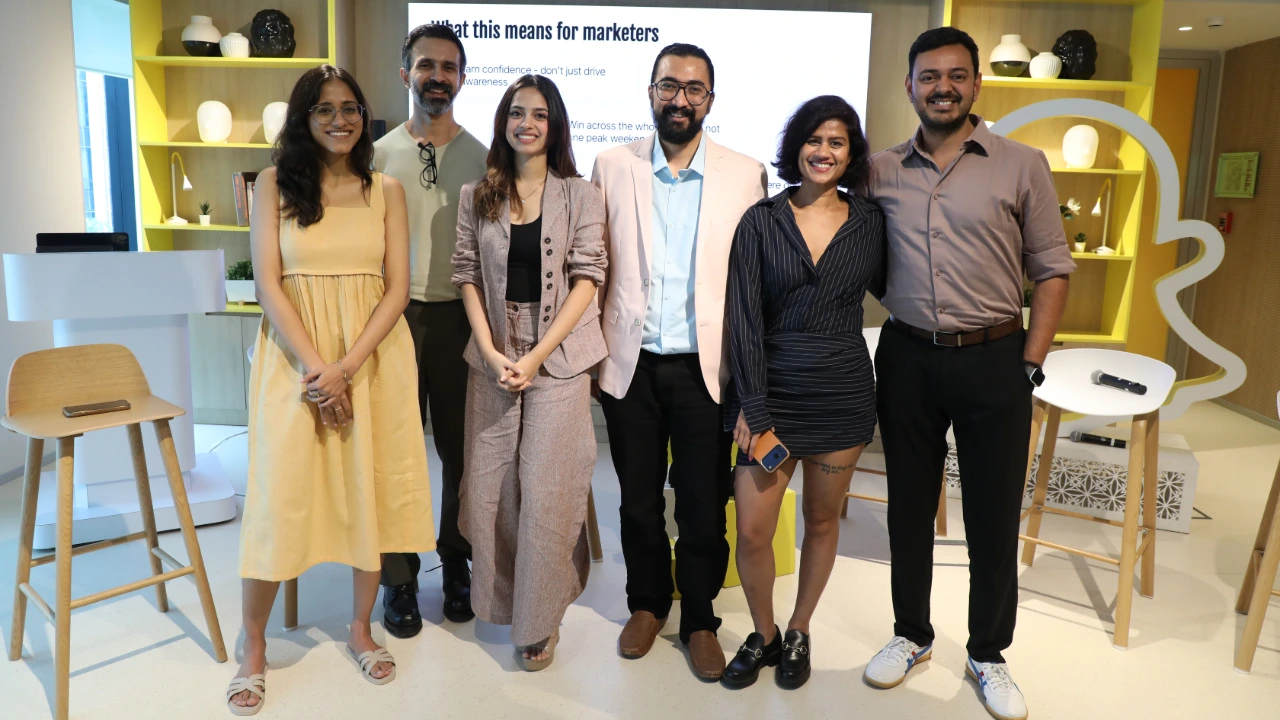
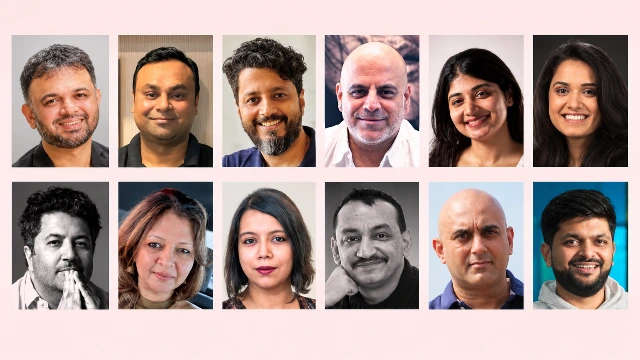
 From left: Ria Chopra, Varun Duggirala, Nitanshi Goel, Prakash Subramanian, Aarti Samant and Yagnesh Ravi
Gen Z’s relationship with brands is moving beyond discovery, as friends, creators, group chats, and real-world communities increasingly shape what they eventually buy. At the rollout of GWI and Snapchat’s 'Diwali and the Festive Season in India' study on 12 August, a panel of creators, marketers and a Gen Z actor discussed how the cohort is changing the rules of influence, shopping and festive marketing.
The panel featured Varun Duggirala, creator, author and co-founder, EMoMee; Nitanshi Goel, Gen Z Bollywood actor; Prakash Subramanian, head - growth, performance marketing, media, retention and CRM, loyalty, monetisation and partnerships, Reliance Retail (Tira Beauty); and Aarti Samant, marketer, entrepreneur and founder, MicDrop Digital aka The Sorted Girl; and Yagnesh Ravi, lead, ad solutions - lead, Snap Inc.
Ria Chopra, writer, researcher and author of Never Logged Out: How The Internet Created India, moderated the session.
Setting the context, Chopra said Gen Z is shifting influence from follower-led models towards peers and niche creators.
“Influence, largely defined as vertical, where creators with millions of followers are most important, is a construct that is breaking apart,” she said. “I'm far more willing to take advice from someone with 10k or 15k followers, instead of only taking the word of someone with millions as gospel.”
Chopra said this is also reshaping creator-economy spending, as brands recognise the influence of micro-creators and niche personalities. At the same time, Gen Z increasingly seeks real-world connections through what she called a 'touching grass movement.'
Discovery is no longer the end goal
Ravi said marketers need to move beyond the traditional awareness-consideration-purchase funnel as Gen Z increasingly turns to its inner circle for purchase decisions.
“The marketing funnel is not new to us. We've forever heard awareness, consideration, purchase and so on. But what we're seeing now is that we've never properly figured out the impact of the circle around you,” Ravi said.
With consumers overwhelmed by information, he shared, “We're seeing another phase where people are like, ‘Wait, it's too much.' Any unboxing I see, is it paid? Is it not paid? I don't know what to trust. I'm going to ask my friend.’”
As a result, he said, “The typical siloed awareness, consideration and purchase needs to move out. That's where we went from discovery to discussion and then decision. It is more holistic.”
Goel echoed this; she remarked, “My group chat is like a board of directors, and I need to consult the board.”
She added that friends often act as unofficial specialists across fashion, beauty and technology.
“Sometimes I see a product and the internet has made me curious about it. But then I need to go to someone whom I trust with their taste. It's more about trusting their experience, seeking their advice and then getting the confidence to go ahead and buy that product," Goel remarked.
Trust becomes the creator's currency
For creators, authenticity and trust are becoming central to audience relationships.
“Trust is your operating cost as a creator. It's literally what you look at in your P&L,” Duggirala said. “You share something with them, they like your taste, maybe they'll take your suggestion, but they'll still ask their friends. The deeper they get, you become that friend.”
He said audiences increasingly want proof that creators genuinely use the products they recommend. “If it's a consumable, they want to see you in a raw, real day. Are you actually consuming this product, or are you just selling it to me? They can spot it from a mile away if you're putting something on as an act.”
Samant said influence is also moving beyond conventional metrics. “The most powerful feeling I get of my influence is when I meet people IRL (in real life). That love comes because of the value and the impact.”
She added that the real measure is whether content travels within trusted circles. “Views are important, reach is very important, but are you in the recommendation groups or broadcast channels, in the inner circles of people? Are they discussing you? I think it's the difference between your name being spoken a lot and your name being uttered in the right tones with the right narratives," shared Samant.
Festive shopping starts before the festive season
The panel highlighted that Gen Z's festive shopping journey begins well before Diwali. Subramanian said brands need to rethink the traditional calendar. “A lot of times brands are trying to say, ‘We'll do a Diwali sale during Diwali.’ I'm saying you're too late by doing that. That start needs to happen around Dussehra.”
For beauty, fashion and lifestyle, he said brands need to start inspiring consumers earlier through looks, trends and GRWMs. “If you're saying these are my five looks for Diwali, and you've already locked that in, what is the point of me bringing my same moment after the customer's decision?”
Goel described Diwali as a “Diwali month”, saying she and her friends begin planning outfits a month in advance, while spontaneous purchases continue. “Sometimes I'll immediately text my friend that I'm at this party, everybody's doing this, and I think I need this product. And they'll be like, ‘Yep, I used it five minutes ago. It's working like crazy.’ And I'm like, okay, I'm going to get it too.”
Duggirala said this reflects an 'always-on' festive mindset. “I think it's festive through the year right now. We have enough things that we will think of every month," he added.
Gen Z's bullshit meter is getting stronger
For brands, the panel's message was clear: Gen Z can distinguish between advertising and genuine engagement.
“Gen Z can smell the bullshit meter from far away,” Samant said. “Today, if you do a typical festive ad, it gives them the ick because there are hundreds of other brands doing the same thing. The blueprint is templatised.”
She argued for 'anti-ads' that entertain and spark conversation. “If you get the zeitgeist of Gen Z, they don't want ads. They want conversation, they want entertainment," Samant added.
Ravi added that brands should stop chasing trends simply for relevance. He said, “If you want to build content that Gen Z actually shares and makes a part of their life, the place to start is the need. They come to create it. You're not manufacturing something.”
Brands, Ravi said, need to develop a new muscle: “Build content that they will share, build content that they will create with, build content that they will send to their group chat.”
The new playbook: aspiration, inspiration and conversation
Subramanian said the Gen Z playbook can be understood through three buckets: aspiration, inspiration and conversation. While the cohort continues to aspire, it is increasingly practical about spending.
“It's not that Gen Zs don't have the wallet to spend the money, but they are very practical about where they spend their money,” he said, pointing to the rise of dupes. “If I get the same efficacy from a different brand, why shouldn't I do that?' is the mindset they use."
However, practicality does not eliminate aspiration. “The inspiration is still the same. There are mood boards that draw a lot of the decisions regarding where you want to get to," Subramanian explained.
For brands, he said all three elements need to work together. Subramanian concluded, “You have to play as a brand everywhere. You cannot just come up and say, ‘I just want to be in conversations,’ because then you're not inspiring. At the same time, you also need to have an aspirational position and say, ‘This is what my brand stands for.’”
The broader takeaway is that Gen Z is not simply consuming brand messages. It is discussing, questioning and sharing them within its own circles, making the next phase of marketing less about interruption and more about creating content people actively choose to engage with.
Source: MANIFEST MEDIA