

 Subscribe
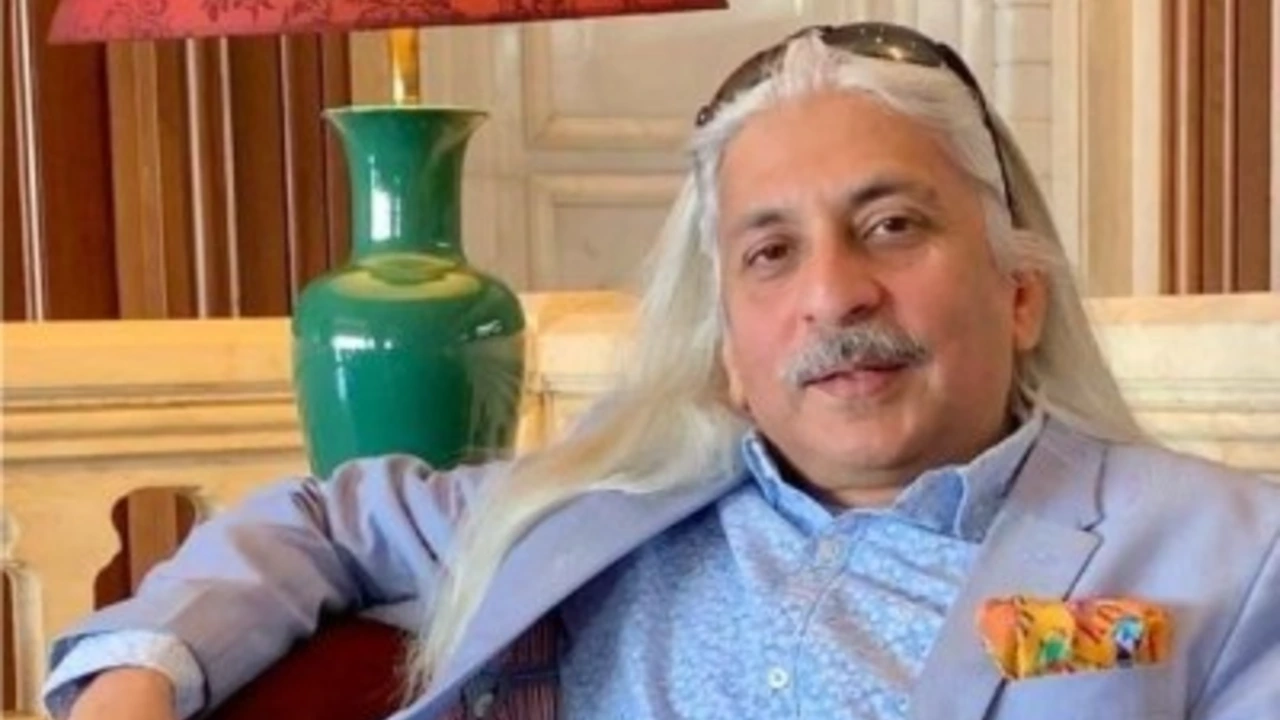
 Sanjoy K Roy
For any festival, sustaining relevance over two decades is a challenge. Building an ecosystem that extends beyond its annual gathering, attracts younger audiences and gives brands a reason to invest in literature and culture is another.
As the Jaipur Literature Festival (JLF) prepares for its 20th edition, scheduled for 14-18 January 2027 in Jaipur, its growth strategy rests on more than an annual marketing campaign.
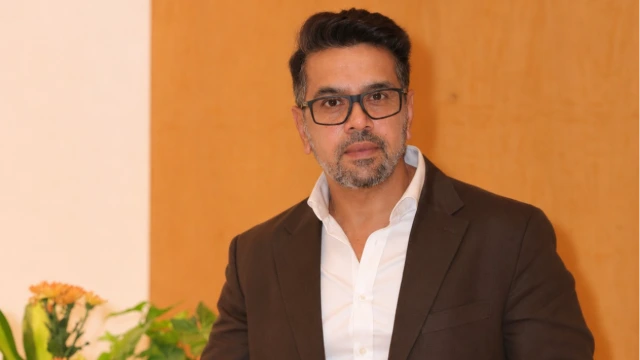
At a preview of the upcoming edition at The Quorum, Mumbai, Sanjoy K Roy, managing director, Teamwork Arts and producer, JLF, spoke with Manifest about how the festival has built its identity through year-round engagement, international editions and a growing network of readers and cultural communities.
Since its inception, the festival has welcomed more than five million visitors and brought together over 8,000 writers, speakers and artists, according to Roy.
Its international editions across the US, UK, Canada, Spain and Australia have extended its reach beyond Jaipur.
Roy said these extensions help JLF build its brand at a lower cost than conventional media advertising while offering audiences an experience. A consistent look and feel across editions, alongside media partnerships spanning Indian and international languages, helps sustain interest throughout the year.
Building communities beyond the five-day festival
For Roy, the idea is not to reinvent the marketing strategy every year, but to keep building on what already exists. Rather than relying on conventional advertising bursts, JLF builds communities through recurring events, conversations and experiences.
“Everybody says, what is new in the upcoming edition? There's nothing. We just keep building. We build communities. Our whole focus is: how do you build a community?” he said, pointing to its monthly events in New York as an example of how the festival sustains audience interest between editions.
Why brands need to look beyond logo visibility
For Roy, the value of associating with a cultural platform lies in the experience it creates, rather than the visibility a logo can generate. He believes brands hesitant to invest in literature and culture are overlooking an opportunity to establish meaningful consumer connections.
When asked what message he’d like to give to brands not investing in JLF, he remarked, “You know, it's their loss. It's their loss because the experience gives you far more brand mileage than sticking your logo onto something. This festival has an engagement and is a memory that a brand gets to create.”
He believes this experiential element gives cultural properties an advantage in building lasting brand associations. Citing previous partnerships, including Samsung, which served as the title sponsor for the festival's 17th edition. He said such experiences can create longer-term brand recall.
“This is not cricket, which is mass. This is a niche audience. It's because one experiences it, it sticks with them, and the brand sticks with them too. Here, we create opportunities where we build the brand into what we're doing, not just put a logo somewhere,” Roy shared.
The festival's audience profile is another factor in its appeal to marketers.
Roy said approximately 67% of its visitors are below the age of 25, with younger attendees increasingly making it part of their cultural and social calendar.
“They think it's sexy, whether they're coming for date night or another reason. They're coming,” he said. Recalling his own book launches, Roy added that some of the most interesting questions have come from younger attendees.
Managing the scale of this audience has also become important. Roy said the festival caps its footfall, as going beyond that would make crowd management difficult.
He said its earlier open-access format had given the festival the feel of a mela, while the move towards controlling attendance had changed the profile of some younger visitors.
He also pointed to the presence of around 700 press representatives as an indication of the interest it attracts.
On the commercial side, Roy said sponsorship does not dictate the festival's editorial direction.
Comparing it with the separation between editorial and advertising in traditional media organisations, he said programming remains independent of commercial partnerships.
The programme spans international writing, Indian-language literature and non-fiction, covering philosophy, science, technology and travel. Sponsors may be offered opportunities to associate with relevant sessions, but the conversations and speakers are determined independently.
“If a medical sponsor comes to us and says, 'We would like to sponsor a medical session', then we give them the option that aligns best with the brand according to the sessions that are slotted,” he explained.
Taking Indian-language literature to global audiences
Beyond its commercial and audience strategy, Roy highlighted the importance of creating opportunities for writers working outside English.
JLF's unpublished manuscript initiative received 1,700 submissions before applications closed, with entries assessed by a selection committee and jury. Roy said the jury was particularly impressed by the quality of the writing.
He believes some of India's most compelling literary work is emerging from regional languages, where stories are closely connected to local cultures and lived experiences.
“Those are the stories of the soil, the stories of the earth. That is where we get the richness of storytelling,” he said.
Roy also pointed to the expansion of India's literary ecosystem, with around 300 literary festivals providing platforms for writers across the country. He said India's print publishing industry is growing at approximately 17% year-on-year.
JLF's international presence is also helping Indian writing travel. Roy said overseas delegations attend the festival to discover literary works and acquire translation rights, allowing books to reach readers in markets such as Poland and Spain.
This is expanding the festival's role beyond a consumer-facing literary gathering into a meeting ground for international publishing stakeholders, creating opportunities for Indian writers to reach audiences beyond the domestic market.
As JLF enters its third decade, its challenge is not simply to attract audiences to Jaipur for five days, but to sustain the communities, conversations and cultural exchanges that make those five days matter.