

 Subscribe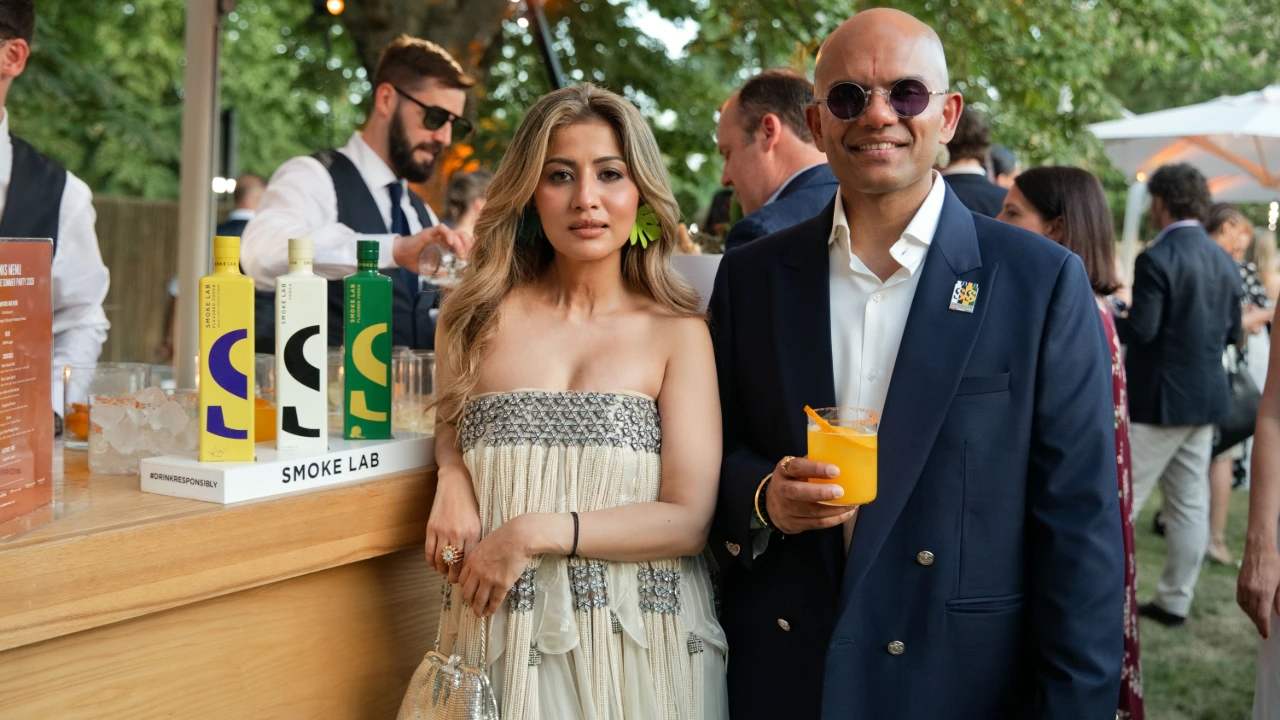
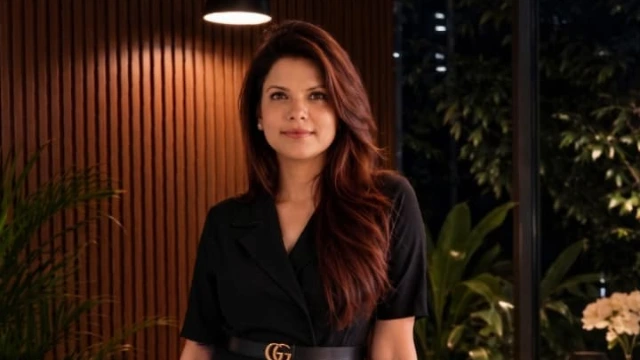
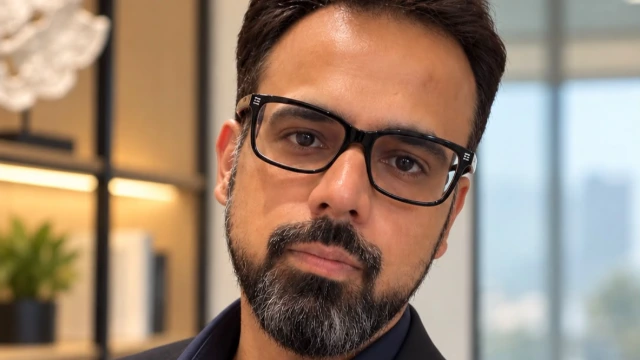
 Sanya Jain, co-founder, Smoke Lab (left) and Varun Jain, founder, Smoke Lab
Made using basmati rice and Himalayan spring water, Smoke Lab was conceived with a singular mission: to put Indian vodka on the global map and challenge the notion that imported spirits are inherently superior.
Since its formal launch in 2020, the brand has expanded into the US and, more recently, the UK, where it marked its arrival through the Serpentine Summer Party in London last week on 23 June.
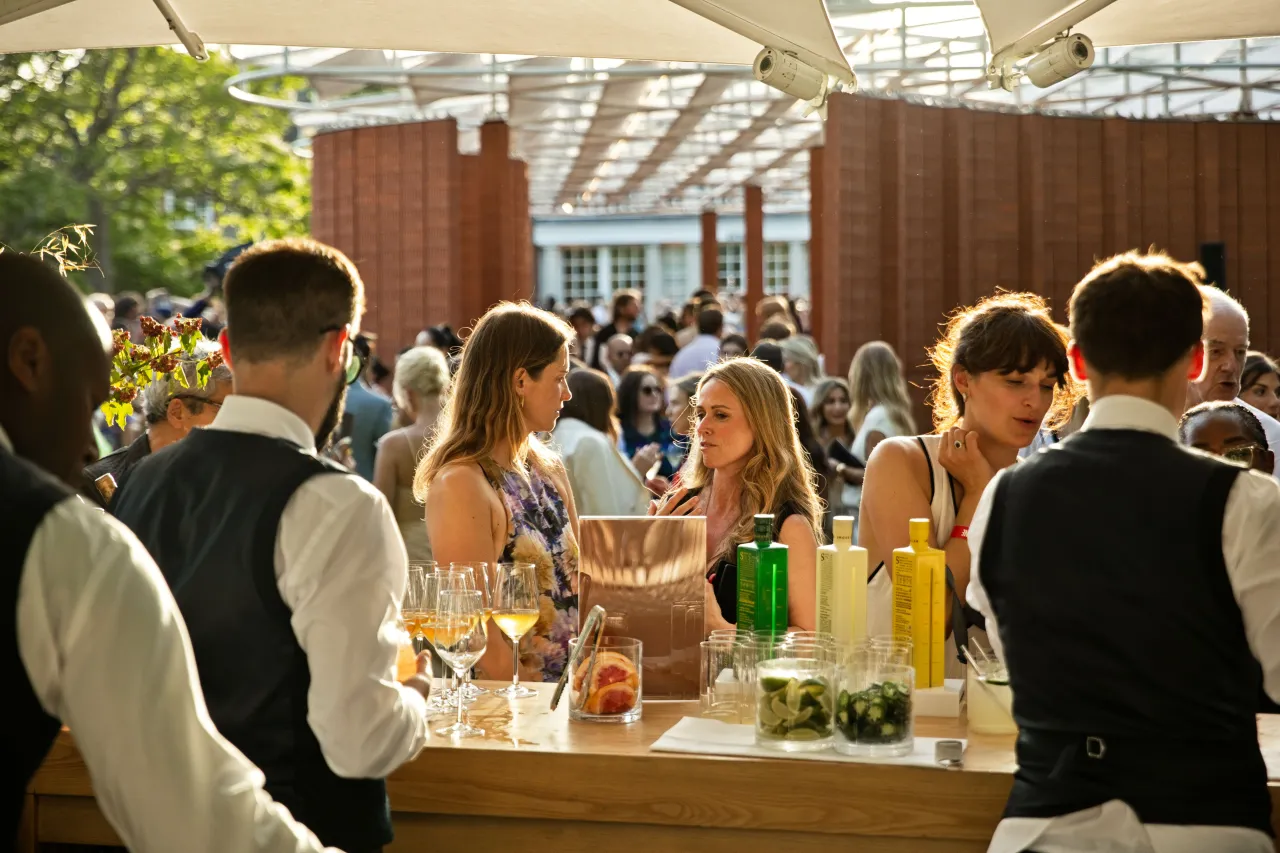
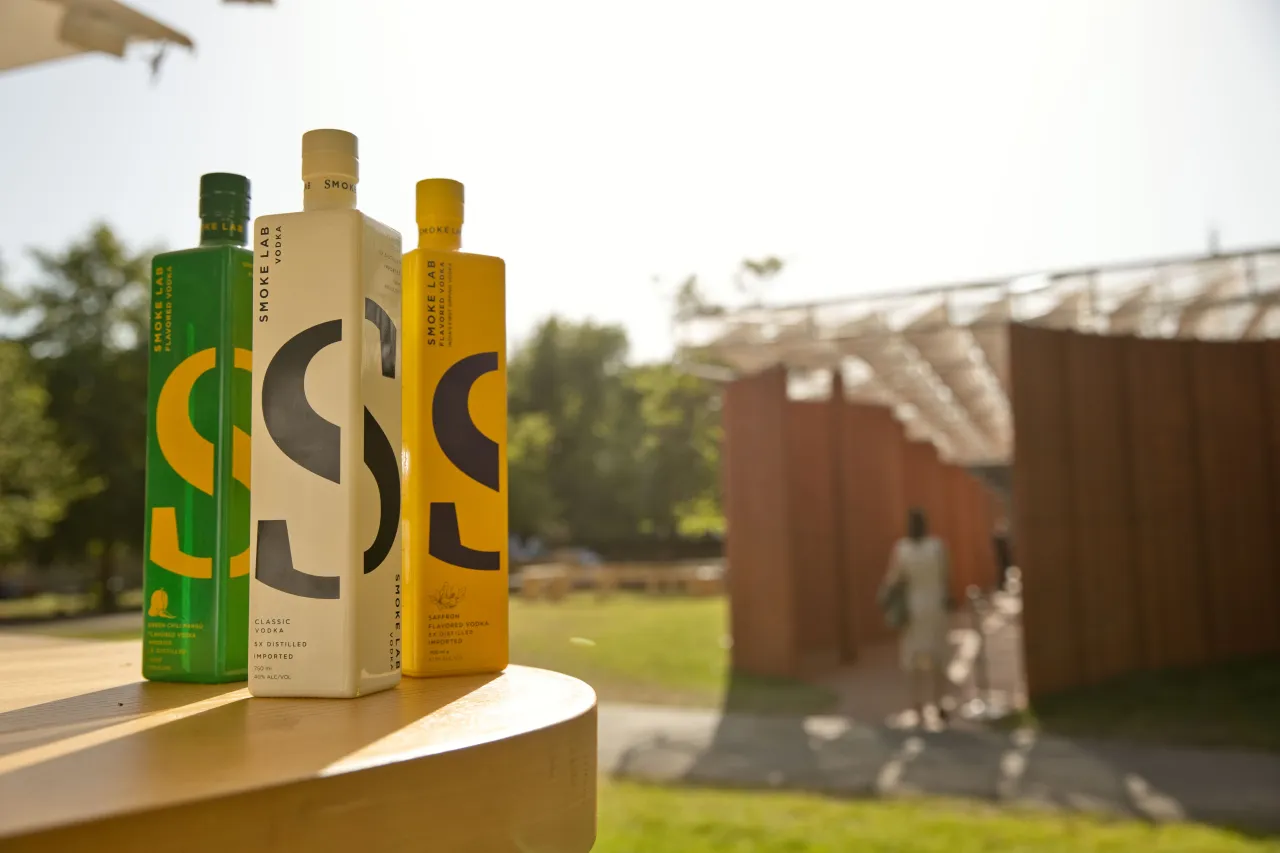
Glimpses of Smoke Lab's presence at the Serpentine Summer Party in London
The invite-only gathering reflects the founders' strategy of positioning Smoke Lab within premium cultural spaces rather than relying on conventional alcohol marketing.
Manifest spoke with Varun Jain, founder, Smoke Lab and Sanya Jain, co-founder, Smoke Lab, about building an Indian luxury brand rooted in heritage, craftsmanship and cultural relevance.
Edited excerpts:
When you started Smoke Lab, did you set out to build a vodka brand or a modern Indian luxury brand?
Varun Jain (VJ): The thought was to premiumise the Indian spirits category, specifically vodka. There really wasn't an Indian premium vodka category before this. The idea started in 2010, but by the time we implemented it properly, developed the blends and launched the first bottle, it was 2018. We soft-launched in 2019 and were ready to announce it in 2020. Then Covid hit, so technically we became a Covid brand.
But the vision was always clear. We wanted to put India on the map. Our vodka is made from basmati rice and Himalayan water, two ingredients that make it truly distinctive. House of NV and Smoke Lab were among the brands that helped launch the premium Indian vodka segment.
How has the brand scaled from being a Covid brand to where it is today?
VJ: Marketing, PR and sales have to run in parallel. Trade marketing becomes the connecting thread between them while ensuring all compliance and responsible drinking messaging are in place.
We're still building the brand. It's only been six years, and consistency has been key. The US is a very important market because it's volume-driven. India is also picking up strongly, especially through the army canteen network. Quality matters, but branding matters even more when you're a new player.
We launched in the UK this January. It's strategically important because it opens up Europe and the Middle East. The US is more open to trying new brands, and globally, the Indian story around art, luxury and quality has become much stronger.
Sanya Jain (SJ): Indian culture is being appreciated in a completely new way. The Serpentine Summer Party in London is a cultural moment of arrival for Smoke Lab. Isha Ambani chaired it this year, and we were the only vodka brand being served there, which is a plus point for us.
What made the Serpentine Summer Party the right event for your UK entry?
SJ: We hosted the launch party for the first day of the India Art Fair earlier this year. Through those conversations, people associated with the Serpentine suggested we participate because it's one of London's most important cultural events.
It's attended by members of the royal family and leading names from fashion, film and art.
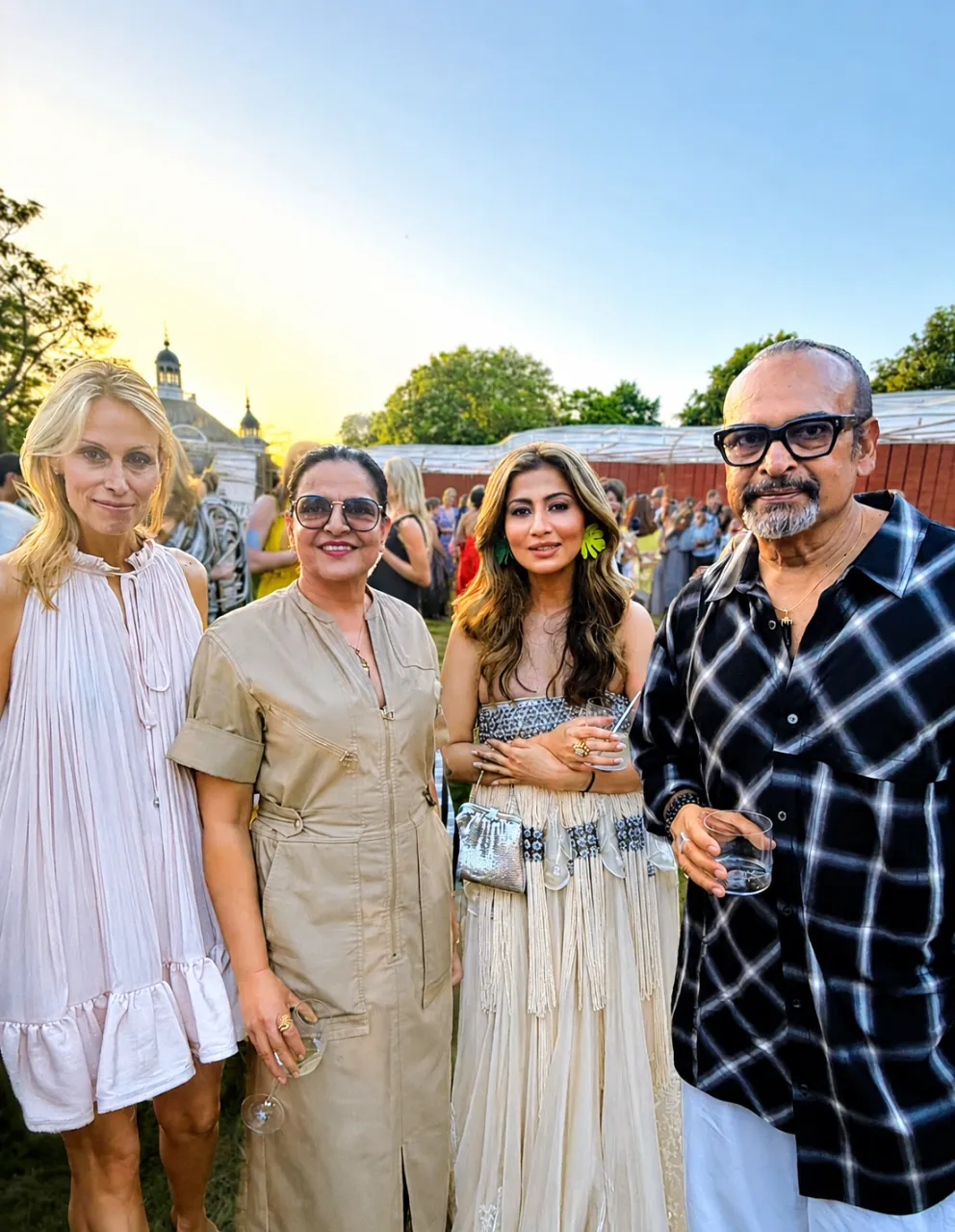
L to R: Carola Jain, Bharti Kher, Sanya Jain and Subodh Gupta
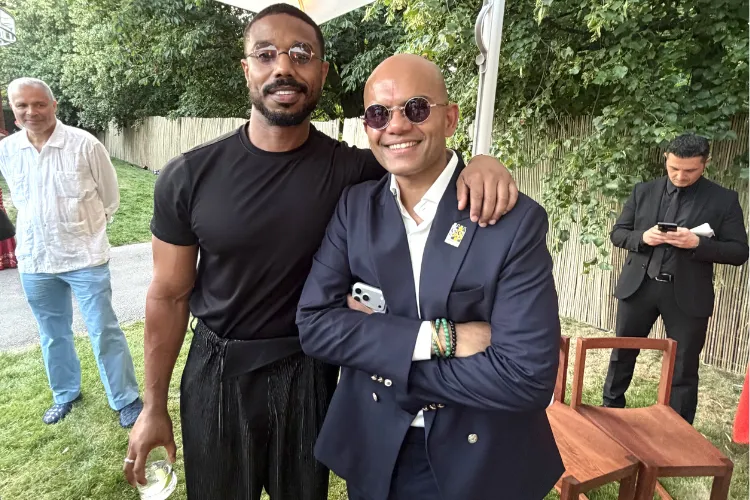
Michael B Jordon (left) and Varun Jain
SJ: Alongside us are sponsors like Prada, Mercedes-Benz and the Bloomberg Foundation. It's exactly the kind of premium company we want to keep.
Art is a natural extension for us because we're both culturally driven people. We want to associate ourselves with things we genuinely love. We've also received an invitation to the Venice Biennale, although regulatory complexities mean we're targeting participation around 2028.
We're already well established in India. Now it's time to shine in the UK and the US.
VJ: We were also among the first to launch a gin based on Mahua, an Indian botanical. We launched Smoke Lab Liquid Gold with 24-carat edible gold. Everything we do is about putting India on the map and proving that Indian quality can match or exceed global standards.
Alcohol is a highly restricted category from an advertising perspective. How are you building the brand?
VJ: Art plays a huge role. We also launched Smoke Lab water cans sourced from Solan in the Himalayas. These surrogate products become important because direct advertising options are limited.
There are plenty of alcohol influencers now, but it's not about follower count. Someone with a million followers isn't necessarily right for your brand. Good content matters more than audience size. The real question is: how are you different? That's where creativity comes in.
What shifts are you seeing in drinking culture globally?
VJ: People are drinking less but drinking better. India is different because consumption is still growing, but cheaper alcohol is declining while premium products are rising. Consumers want transparency and better quality. Globally, people are willing to spend more on fewer, better products.
What makes Indian spirits successful internationally?
VJ: For years, vodka was associated with Russia and whisky with Scotland. Then Japan changed perceptions around whisky. We're trying to do something similar for India.
Today, we believe we're India's number one luxury vodka brand in terms of quality, packaging and positioning. We're very proud of that.
Where do you see the biggest opportunities over the next five years?
VJ: It comes back to marketing and partnerships. Through House of NV, we're expanding beyond vodka and gin into wine, tequila, bourbon and beer. The goal is to build a complete portfolio. Brand ambassadors are also an opportunity, but they have to genuinely believe in the product. That's why we haven't appointed one yet. For now, I'm the face of the brand.
SJ: Exactly, the typical Bollywood endorsement model doesn't excite us.
VJ: It's not about Bollywood versus anyone else. It's about authenticity.
How important are packaging and visual identity today?
VJ: Every bottle we create is designed to be collectable. Each expression has its own identity, and we're working on limited-edition drops. India has thousands of botanicals that the world doesn't know about, and we want to showcase them. Packaging is incredibly important. The challenge in India is regulation, because every state functions almost like its own country. International markets make limited-edition launches much easier.
SJ: Indian food is already hugely popular globally, so flavours like saffron, aniseed and green chilli mango feel exotic internationally, even though they're familiar to us.
VJ: Green Chilli Mango has been especially successful because consumers already love spicy cocktails like Picantes and spicy margaritas. It's now appearing on cocktail menus, and bartenders are creating their own interpretations around it. That's exactly what we want for our brand.