

 Subscribe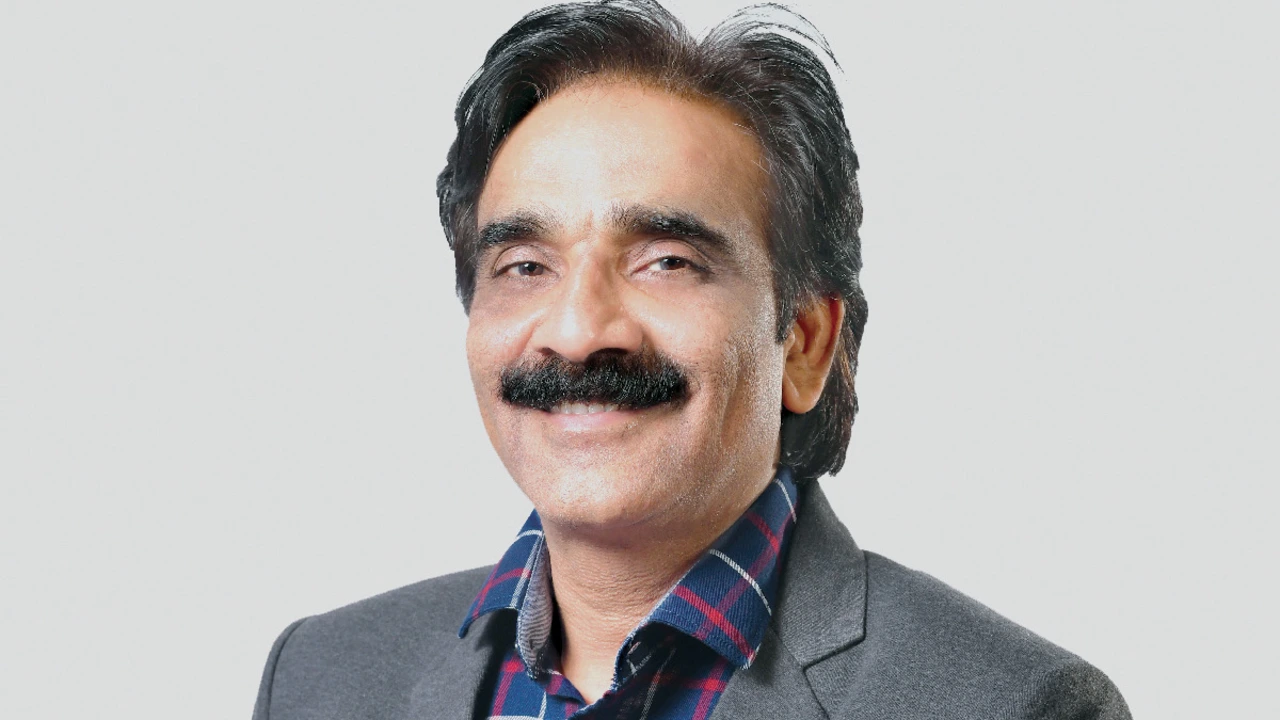
 Hemant Jain
When Killer Jeans entered India’s denim market in the late 1980s, international labels dominated the category. More than three decades later, the Kewal Kiran Clothing (KKCL) brand had continued to compete in a market where global players remained prominent, even as changing consumer behaviour had forced legacy brands to rethink how they stayed relevant.
Not completely agreeing with the perception that homegrown denim brands had lost market share because they had failed to appeal to younger consumers in recent times, Hemant Jain, joint managing director, KKCL, said, “Denim has always been associated with Western fashion, and that hasn’t changed. From the day we launched Killer, we have always maintained an international brand image. Whether it’s our advertising campaigns, our models or our overall communication, we’ve ensured that our brand presentation matches global standards. We’ve never diluted that positioning,” he said.
At the same time, Jain pointed to the importance of product fundamentals in denim. “Consumers primarily buy denim based on two things: fit and wash. That’s where we have consistently invested. Even today, our senior designers have international experience, and we work with consultants who design for leading global luxury and international brands.”
Killer had also continuously reinvented itself, he said, becoming more active on social media while modernising its stores, ambience and merchandising. “The brands that failed to evolve have fallen behind. The brands that adapted to changing consumer expectations continue to grow,” Jain said.
The changing consumer had also prompted KKCL to rethink its marketing and brand teams. The company had revamped its design, marketing, media and brand communication teams, bringing in younger professionals who understood the habits and cultural influences shaping Gen Z.
“They understand social media, what young people wear, how they think, and what influences their buying decisions. That has helped us reconnect with the new generation, and fortunately, we’ve been successful. As a result, we’ve continued to grow year after year,” he said.
Jain identified KKCL’s in-house manufacturing capability as another key advantage that allowed it to respond faster to changing fashion trends and market demand.
“One of our biggest strengths is that we have our own manufacturing facilities. Even today, we manufacture around 30,000 garments every day in-house. That gives us a significant competitive advantage because we can work much closer to the season. Unlike brands dependent on external vendors, we aren’t constrained by long sourcing timelines,” he said.
“Because we control manufacturing, we can respond much faster to changing trends and market demand. In fashion, timing is extremely important, and our manufacturing strength allows us to stay agile.”
For KKCL, this agility extended beyond product development into marketing. Jain said consumer interactions had become fragmented across social media, retail stores, digital campaigns and online marketplaces, requiring brands to maintain consistency across multiple touchpoints.
“Our team constantly researches what resonates with and is relevant for today’s generation, tracks changing consumer preferences, and adapts our communication accordingly,” he said.
“That’s why we don’t believe marketing is only about advertising. It is about maintaining a consistent brand experience everywhere the consumer interacts with us. We invest in digital communication, visual merchandising, store presentation and product storytelling. For us, marketing is an ongoing process of staying connected with consumers rather than running isolated campaigns.”
KKCL’s media mix has evolved alongside this shift. Roughly half its marketing budget went towards retail, including stores, malls and in-store visibility, while the other half went towards outdoor advertising, print and tentpole sporting events such as cricket. The company has also invested in cinema advertising, with the mix changing according to the time of year, festive season and opportunities for visibility and impact.
Retail continues to be extremely important for the brand, Jain stated. "Because customers still want to experience the product before making a purchase, particularly in categories like denim where fit, fabric and comfort matter. Our stores aren’t just points of sale, they’re an extension of the brand. That’s why we’ve continuously upgraded store design, visual merchandising and the overall shopping experience."
Retail remained particularly important for denim, where fit, fabric and comfort could influence purchase decisions. KKCL had continued upgrading its store design, visual merchandising and overall shopping experience, while significantly expanding its presence in malls and multi-brand outlets.
The company had also seen its online and offline businesses increasingly complement each other. “Today, roughly half our sales come from our own retail stores and the other half from online channels. If your online brand presentation is strong, with the right imagery, product information and customer experience, it creates significant value for the business. We don’t see online and offline as competing channels; they complement each other, and consumers expect a seamless experience across both,” Jain said.
The fragmentation of media had also changed the way brand visibility was experienced. While brands had once communicated through a relatively concentrated set of channels, consumers were now spread across hundreds of digital platforms.
“It’s not that brands are communicating less; consumers are simply consuming media very differently,” Jain said. Marketing had consequently become more targeted, with consumer data enabling brands to reach audiences based on age, gender, interests, location and purchasing behaviour.
Looking ahead, Jain remained bullish about KKCL’s growth prospects. The company was targeting a doubling of its business over the next five years and had identified Europe as its next international expansion opportunity after establishing a presence in the Middle East.
“The key is to keep evolving with changing consumer expectations while staying true to your brand identity,” he emphasised. “I believe Indian brands have a very bright future, not just in the domestic market but internationally as well. While international brands have created strong identities here over many years, homegrown Indian brands have tremendous potential to build globally respected fashion brands too. We are equally capable of competing, provided we continue investing in quality, design, innovation and brand building.”
This interaction appears in the August issue of Manifest. To read the whole conversation, purchase the issue by clicking here.