
 Subscribe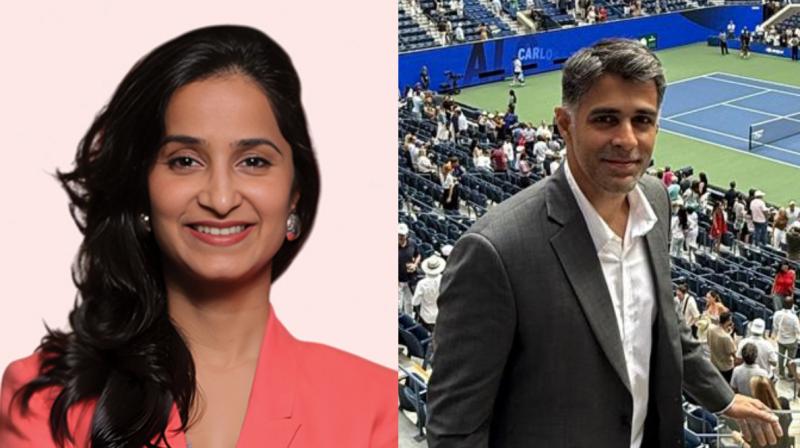
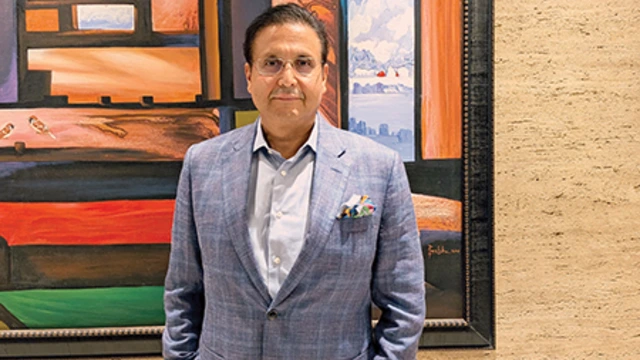
 Prachi Narayan (left) and Ramakrishnan R
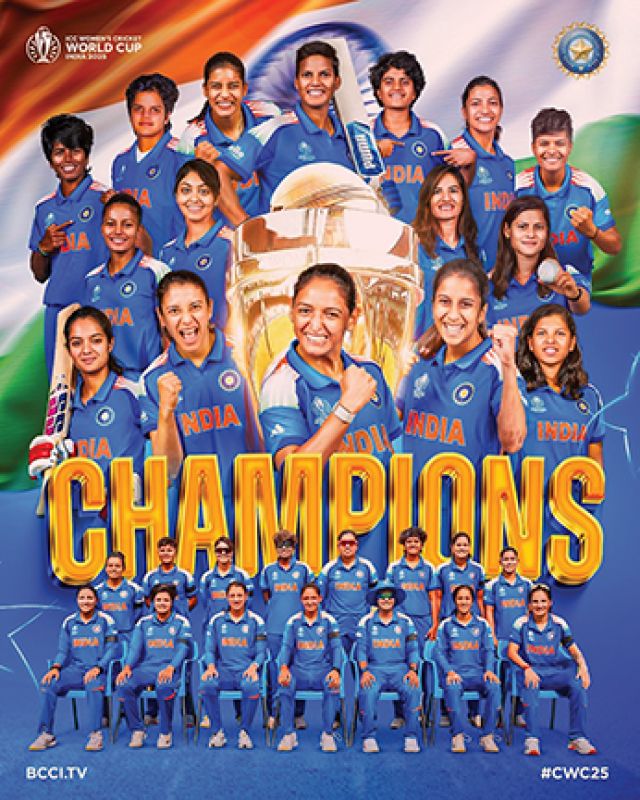
The Indian women made history last month by winning their first cricket World Cup title in a high-stakes final befitting an ICC World Cup. More than a sporting triumph, the victory signalled a tectonic shift in how India watches, celebrates, and invests in women athletes. It wasn’t just a cup they brought home; it was a long-overdue recalibration of attention, aspiration, and ad spends. For brands, this moment presents one of the most compelling opportunities of the decade. And yet, beyond the excitement, lies the bigger question: How will it alter the sports brand endorsement landscape in India? Will our advertising and marketing ecosystem finally give women athletes the scale, visibility, and valuation their victory deserves?
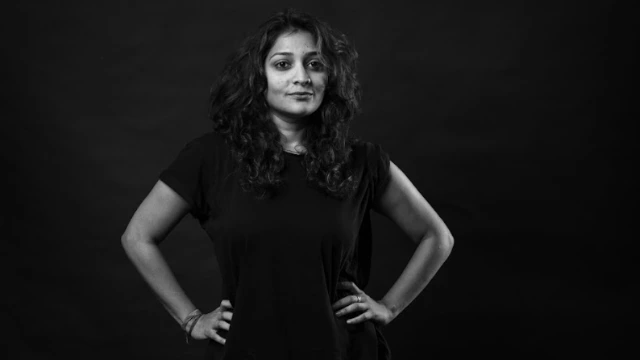
Prachi Narayan, managing partner, Havas Play India
From where we sit, this Women’s World Cup win doesn’t just add another feel-good chapter to Indian cricket; it meaningfully nudges the endorsement market. The most visible shift is in the quality of briefs we’re seeing around women cricketers. Earlier, deals were often tactical or moment-led. Today, there is more interest in broader narratives, long-term thinking about brand and athlete fit, and meaningful integrations into the wider sport conversation.
In practical terms, the landscape will become broader and more tiered. At the top, a small group of players, what we call marquee talent, will see sharp jumps in value and category spread. We are already seeing this with high-performers in the women’s cricket team like Smriti (Mandhana), Jemimah (Rodrigues), Harmanpreet (Kaur). Just below that, there is now genuine room for specialists and role-players to come into brand conversations, especially in leagues like the WPL where audiences are starting to recognise entire squads, not just two or three stars. This is where the role of having a social footprint and personality that goes beyond the game cannot be understated, as it helps marketers make sense of the broader opportunity. For marketers, women’s cricket still offers headroom: relatively low clutter, strong relatability, and a calendar that will only get richer with the WPL and the next global tournaments.
Will this finally translate into scale, visibility and valuation that match the emotion of the moment? I’d say we are at the start of that journey, not the finish line. The share of endorsements going to women athletes is still small, but the trajectory is clearly upward. If brands choose to back women’s cricket with the same strategic patience they’ve shown with the men’s game, through multi-season partnerships, content ecosystems, community programmes and amplified effectively, then this win can be the watershed moment, we look back on. While many state the 1983 win as that moment in Indian men’s cricket commercially, in all honesty it was the 2007 T20 World Cup win that really kickstarted commercialisation in Indian sport as we know it.
The more interesting question for all of us in the industry is this: How do we use the momentum of this World Cup to script the next chapter of women’s sport more broadly in India, across leagues, disciplines, and cities, so that this doesn’t remain a flash in the pan, once-in-a-generation high, but the new normal?
Ramakrishnan R, co-founder and director, Baseline Ventures
With the Women’s World Cup win, we know our women are athletic and can match-up with the Australians and England teams too.
What it re-establishes is that women can pick up sport in this nation and are on par with the Western world.
More than endorsements coming in, it’s a paradigm shift in the way people think. And this thinking should translate to other sports, too.
What the win has done is that while brands were looking at Mandhana, Rodrigues, and Kaur, there is instant recognition for the likes of Pratika Rawal and Richa Ghosh too. There have also been queries for appearances for other cricketers. Brands think these cricketers are authentic because the public relates to them as someone next door. And as their visibility increases, brands will start considering these cricketers more as endorsers.
But to sustain this, they need to continue being visible for sporting reasons. Let’s see if the upcoming WPL and other bilateral series get people inside the stadiums. And we also need to see what happens when the tickets are charged for, as they are sold free of cost most times for these bilateral series games.
Consistent visibility is important. And there’s a different set of audience for women’s cricket. We are seeing the younger generation watching women’s cricket. More families, too, are attending these matches versus, for example, four friends attending a male cricket match together.
This was part of the year-ender feature which appeared in the December 2025 issue of Manifest. Get your copy here.
Also read: