

 Subscribe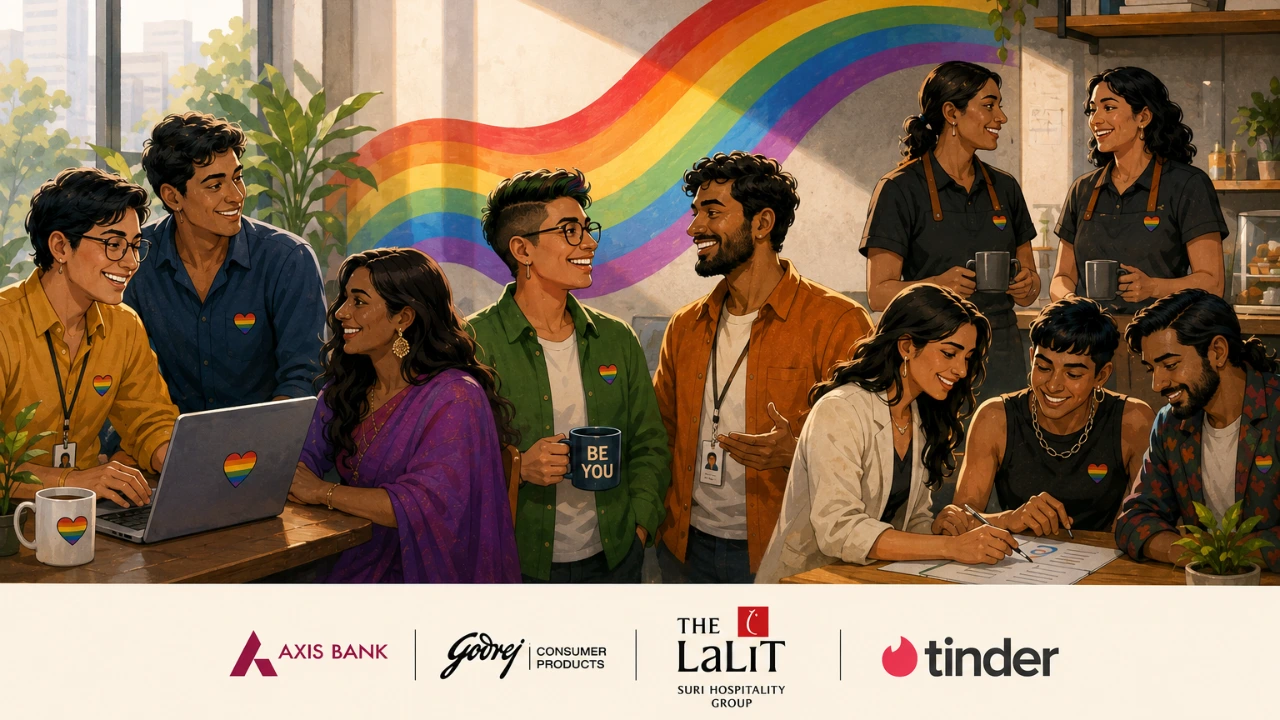
 Picture Courtesy: ChatGPT
Every Pride month, the advertising and marketing industry finds itself asking familiar questions. Are brands doing enough? Is representation authentic or performative? Are campaigns translating into meaningful action for the LGBTQIA+ community?
The conversation often centres on what is missing, where brands have fallen short, and the gap between intent and impact.
The discussion comes at a time when expectations around inclusion continue to evolve. Research cited by Tinder found that 76% of young people believe their generation is more open to gender and sexual fluidity.
Yet workplace realities often tell a more complex story.
A Deloitte India study found that 40% of LGBTQIA+ employees hide their identity at work, while 56% said workplace culture discourages them from coming out. Against this backdrop, the challenge for brands is no longer simply about visibility during Pride Month, but about creating environments where inclusion is reflected in everyday experiences, policies, and opportunities throughout the year.
Keeping this in mind, Manifest turned its attention to organisations working to embed inclusion into the fabric of their businesses. From inclusive workplace policies and equitable benefits to community partnerships, allyship programmes and year-round advocacy, a growing number of brands are demonstrating that meaningful inclusion extends far beyond a rainbow-coloured logo in June.
We spoke with brands like Axis Bank, Godrej Consumer Products (GCPL), The LaLiT Suri Hospitality Group and Tinder India, as each approached LGBTQIA+ inclusion through a different lens.
For many of these brands, authenticity is measured not by visibility during June, but by the consistency of their actions throughout the year.
While each organisation has taken a different path, they are united by a shared belief that meaningful inclusion is driven by long-term commitment, structural change and access to opportunity rather than Pride Month activations alone.
For Harish Iyer, head – diversity, equity and inclusion, Axis Bank, authenticity is the result of deliberate action over time.
"LGBTQIA+ inclusion cannot be confined to a single month; it requires sustained commitment and consistency throughout the year. Authenticity, in this context, is built over time through deliberate and ongoing action," he said.
At Axis Bank, that philosophy has informed a series of initiatives designed to embed inclusion across the organisation. The bank's Come As You Are Charter, launched in September 2021, has helped integrate inclusion into policy, access and everyday employee experiences.
"Queer people are not a distinct 'segment', but an integral part of our workforce, customer base and wider ecosystem, often playing a vital role in shaping culture and advocacy. So, the question for any organisation is simple: is the company creating moments, or is it building systems? Because advocacy that lasts is built through policy, access, representation, and everyday behaviour that lasts beyond campaigns," added Iyer.
The results are visible across both workforce and customer-facing initiatives. Axis Bank's Pride 365 employee community has grown from seven members to more than 1,000, while ARISE, its open-campus, skill-based hiring programme, along with targeted diversity hiring drives across tier-two and tier-three markets, has attracted more than 1,400 applicants.
Externally, the bank now serves more than 7,000 transgender and gender-diverse account holders. Through Pink Capital: The Spectrum of Queer Money, it has also sought to better understand the financial realities and aspirations of LGBTQIA+ communities.
For GCPL, one of the biggest lessons has been recognising that inclusion efforts need to be visible long before employees choose to identify themselves or participate in related initiatives.
"Authentic LGBTQIA+ inclusion cannot be limited to conversations during Pride Month. Organisations need to build an ecosystem where employees can see the commitment before they choose to identify themselves or engage with inclusion initiatives," expressed Sandhya Ramesh, general manager – diversity, equity and inclusion, GCPL.
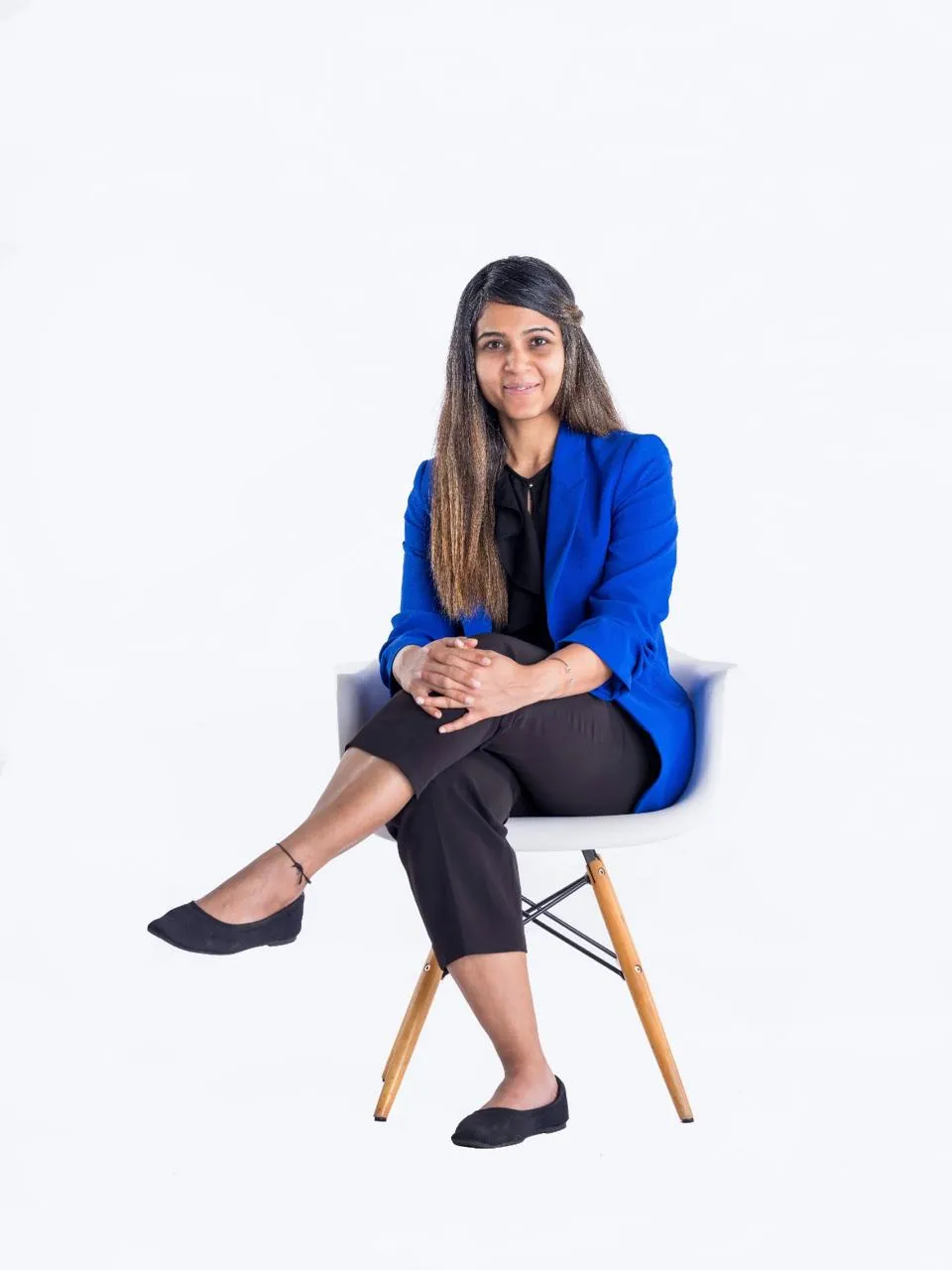
Sandhya Ramesh
Over the years, the company has focused on both structural and behavioural aspects of inclusion. These efforts include policies supporting gender-transitioning employees, mental and physical health support, enabling employees to use their chosen identities, and fostering conversations around stereotypes, biases, allyship and respect in the workplace.
Beyond internal policies, GCPL has also sought to contribute to broader ecosystem change through industry toolkits and initiatives designed to help other organisations strengthen LGBTQIA+ inclusion.
One of its more recent initiatives, EquiTea, extends that commitment beyond corporate offices. The café, located at GCPL's Chengalpattu plant and operated entirely by members of the transgender community, reflects an effort to create visibility and economic opportunities within the wider workplace ecosystem.
"For us, authenticity comes from being consistent throughout the year, staying connected to the community and continuously learning what is working and what needs to evolve," remarked Ramesh.
The conversation around inclusion becomes even broader at The LaLiT, where LGBTQIA+ advocacy has been woven into the organisation's identity for years.
For Keshav Suri, executive director, The LaLiT Suri Hospitality Group and founder, Keshav Suri Foundation, meaningful inclusion starts with looking inward.

Keshav Suri
"Meaningful LGBTQIA+ inclusion cannot be confined to a month, a campaign, or a social media moment. It must be reflected in how organisations hire, support, promote, engage, and create opportunities for people every day," he stated.
Suri believes organisations must first examine their own workplaces through measures such as non-discrimination policies, gender-neutral facilities, equitable benefits, sensitisation programmes, safe reporting mechanisms and inclusive hiring practices.
However, he argued that the next step is equally important. Suri shared, "Visibility matters, but sustainable inclusion requires access to education, employment, entrepreneurship, healthcare, and financial independence."
This belief has shaped the work of The LaLiT, Kitty Su and the Keshav Suri Foundation. Long before LGBTQIA+ inclusion became a mainstream corporate conversation, Kitty Su emerged as one of India's most visible platforms for queer expression, helping amplify drag culture, support performers, and create opportunities for artists from diverse backgrounds.
At the same time, The LaLiT has focused on economic empowerment. Today, the hospitality group employs more than 250 transgender colleagues across its hotels and has connected with over 10,000 job seekers through dedicated LGBTQIA+ job fairs. Through PrideKraft and related skilling initiatives, more than 3,000 LGBTQIA+ individuals have received training in hospitality, entrepreneurship, financial literacy, employability and digital skills.
Beyond its own ecosystem, the Keshav Suri Foundation has worked across education, mental health, healthcare access, entrepreneurship, advocacy and policy reform. It has also helped drive wider industry change through the India Workplace Equality Index (IWEI), developed in partnership with Pride Circle and Stonewall, which enables organisations to assess and strengthen LGBTQIA+ workplace inclusion.
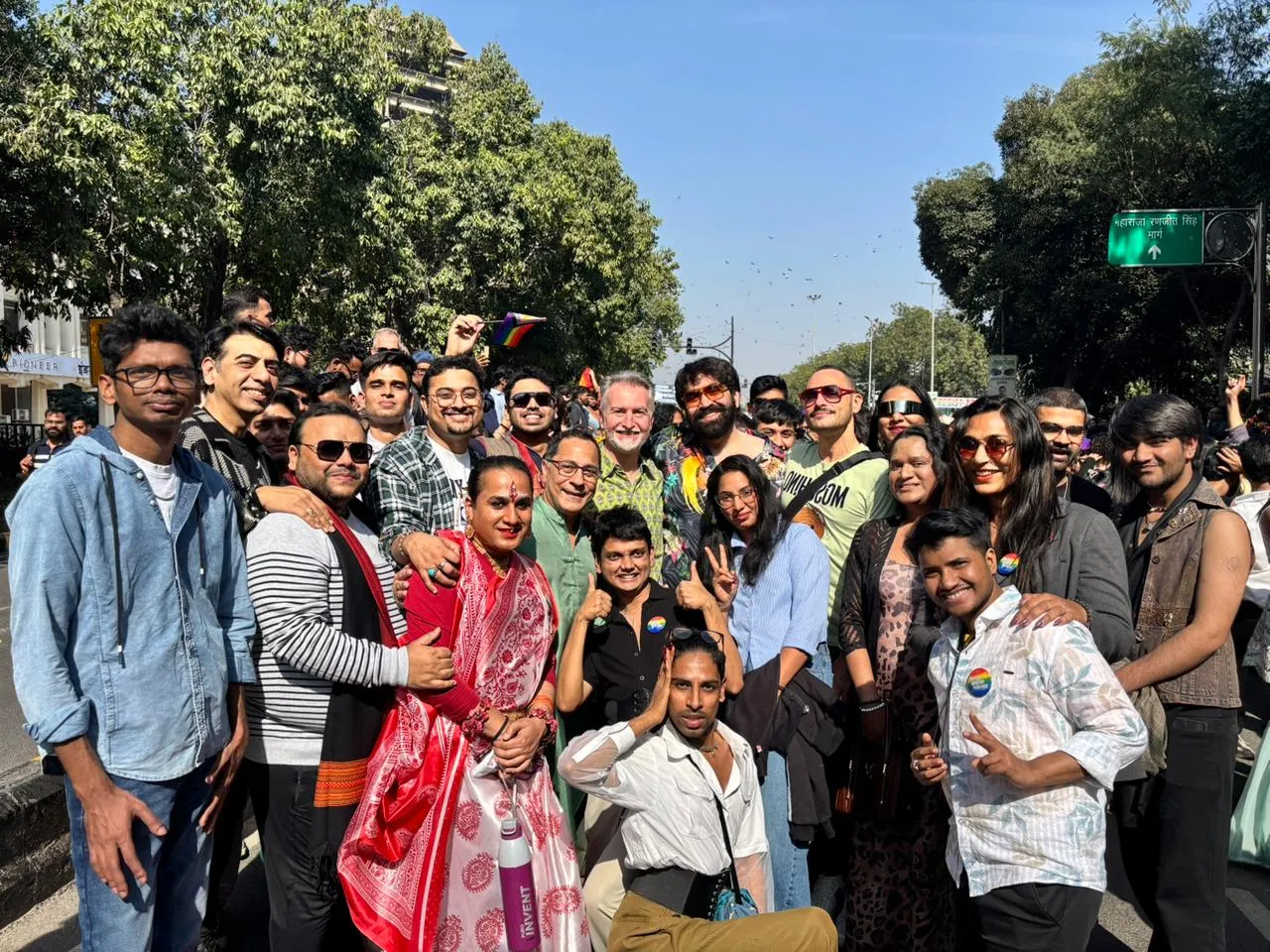
For Suri, however, impact is ultimately measured through people rather than programmes.
"I will think of the transgender colleague who sent her first salary home to her parents. I will think of the queer entrepreneur who turned a small business idea into a source of income and pride. I will think of the parent who attended one of our sensitisation programmes and chose acceptance over rejection," he shared.
For these brands, ultimately, the ROI isn't measured by the number of programmes they run or the policies they implement.
Rather, Suri pointed out that, "The impact for us is measured by how many lives move from exclusion to belonging, from vulnerability to opportunity, and from survival to dignity."
The role of inclusion is also evolving within consumer platforms.
At Tinder India, the focus has been on creating spaces where LGBTQIA+ users can express themselves authentically while building stronger community connections both online and offline.
"For the past five years, Tinder Queer Made Weekend has brought together thousands of young queer people across Delhi and Mumbai, creating a platform that celebrates queer-owned businesses, artists, musicians and creators in partnership with Gaysi Family," said Daniel Kim, senior vice president, Tinder Asia, Match Group.

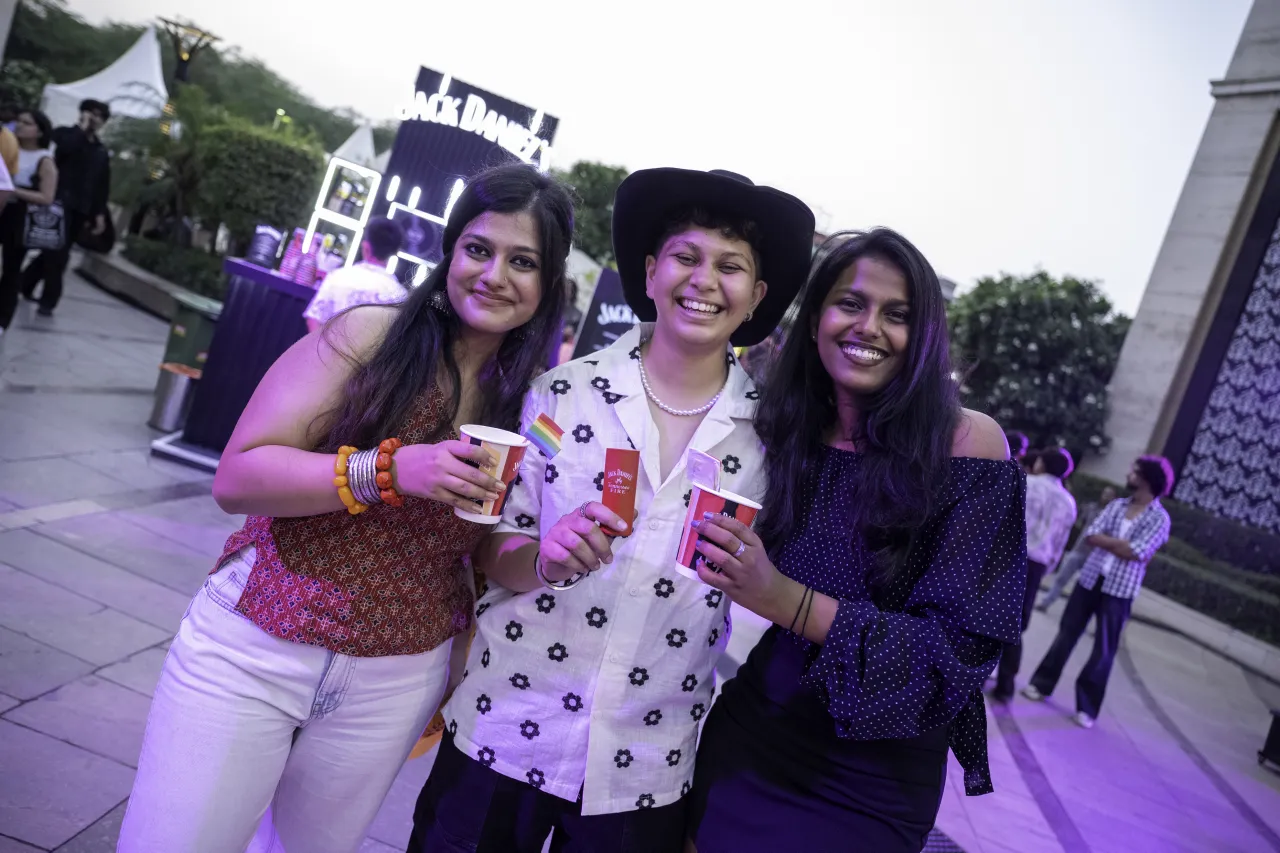
Glimpses from the 2026 Delhi edition of the Tinder Queer Made Weekend
Kim added, "What makes the Pride month event meaningful is not just the scale of participation, but the continuity of engagement it enables within the community year after year."
Tinder has also continued to evolve its product experience, offering more than 50 gender identities and nine sexual orientations, alongside ongoing investments in dating safety and self-expression features.
According to Kim, changing attitudes among younger generations underscores the importance of these efforts.
Kim expressed, “We continue to invest in making Tinder a more inclusive space where young people can express themselves authentically. We also recognise how significantly attitudes are evolving, with 76% of young people saying their generation is more open to gender and sexual fluidity."
For many LGBTQIA+ users, dating platforms have become spaces for self-discovery and community-building. Tinder's Queer Swipe Stories initiative and partnerships such as Tinder x Diesel seek to further amplify queer voices and experiences.


For Pride 2026, Diesel and Tinder partnered for ‘For Successful Loving’ : a global campaign and capsule collection reimagining Diesel’s iconic ‘For Successful Living’ manifesto through the lens of modern love, identity and connection.
"Pride Month helps bring visibility to these conversations, but our focus is on ensuring they are not confined to a calendar moment. Through ongoing community-led initiatives, evolving product experiences, and partnerships rooted in representation, we intend to create a platform where LGBTQIA+ users feel seen, supported and celebrated every day of the year," shared Kim.
Taken together, the experiences of these organisations point to a broader shift in how LGBTQIA+ inclusion is being approached in India. The most meaningful efforts are no longer defined solely by visibility during Pride Month. Instead, they are rooted in policies, hiring practices, community engagement, economic empowerment, product design and leadership commitment.
Rainbow-coloured campaigns may spark conversations, but long-term impact is built through sustained action.