

 Subscribe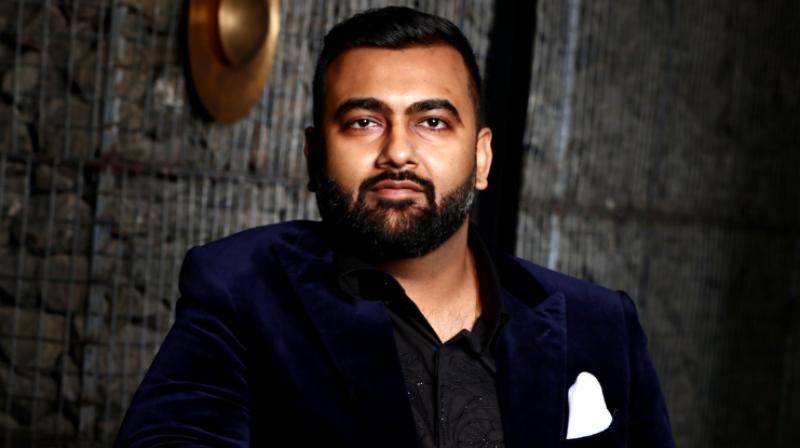
 Rohan Nihalani
India’s wine moment seems to be getting interesting, and Rohan Nihalani has been one of the people nudging it forward from behind the scenes. As the founder of Morgan Beverages and co-founder of Cartel Bros and Paladin Wines, he sits at the intersection of global craft and an Indian consumer who’s becoming sharper, younger, and far more intentional about what they pour.
His work with Italy’s Paladin family vineyards has introduced a lighter, expressive style of wine that suits today’s palate, a palate shaped by travel, premiumisation, and a growing comfort with experimentation. What this really signals is a shift in how India consumes luxury. It’s no longer about the heavy, old-school badge value. It’s about taste, ease, and the feeling of being part of a global culture.
That’s where Nihalani becomes relevant. He’s watching a wine-curious generation rise — people who want quality without gatekeeping, discovery without pressure, and a category that feels aspirational yet approachable.
To delve into these shifts and understand how he’s reading India’s next phase of wine consumption, Manifest spoke with Nihalani to gain insight. He unpacks how younger drinkers are changing the rules, what smart brands should be paying attention to, and why the next five years could redefine how India buys, talks about, and enjoys wine.
Edited excerpts:
What’s the thinking behind your marketing and brand-building play in India right now, and how does that tie into the longer bet you’re making on where the country’s wine market is headed over the next five years?
Paladin is a third-generation family winery. I brought the brand to India in 2018 and have been working closely with the family-owned company. They’ve always been rooted in tradition and quality, as it is family-run, but the newer generation, who are in their 30s, has pushed for younger, more approachable wines.
The big shift they made was moving from classic, long-aged wines to younger expressions. These are still aged but not as heavy or complex as the traditional three-year-plus barrels. Indian consumers prefer something lighter, easier, and more expressive, so the young wines hit the mark.
That’s also why our brand's labels became more colourful and modern. And the winery leans into vegan and eco-friendly practices, which have helped build traction.
Who is your target audience, and how does the brand appeal to them?
It’s broad. Since we import multiple variants, we cater to both younger drinkers and the 40–50 age group. India is still a small wine market, about one per cent of the overall alcohol category, but it’s growing fast. Within that, consumers are becoming more aware and curious. India is a diverse market. When compared to rum and whisky, which hold a majority stake of 85%, wine has a smaller market share. The remaining goes to beer, wine and the remaining segments.
How do you see younger drinkers shaping India’s wine culture? Are they driving discovery through taste, digital education, or social identity?
Definitely. Our brand is easygoing by design. We have classic varieties and crafted ones, but the whole idea is accessibility. The younger and mid-aged cohorts respond well to that because the wines feel versatile. They work with everyday meals, not just formal pairings. Traditional Italian wines can be complex and need specific food. Ours are more refreshing and adaptable, and one sees that with our young wines, such as Cabernet Paladin and Syrah, amongst others.
Are you using social media for your brand's outreach, and how well is that working out?
We do, but wine works differently from beer or whisky. Social media helps, but the real impact comes from on-ground experiences — tastings, events, and direct engagement. Hence, we do events with restaurants, vloggers, influencers and wine festivals. Wine consumers want to experience it before they commit and are curious about what they are buying. The wine audience is much more educated and aware. I’d say our split is 80% on-ground, 20% social.
And with India’s advertising restrictions, does influencer marketing work?
People pay close attention to celebrities and influencers, so when someone with real reach genuinely uses a product, it creates strong recall. That’s why our partnerships are deliberate — Sanjay Dutt is a brand partner for The Glenwalk, and Ajay Devgn has teamed up with Cartel Bros, the co-founder of The Glenwalk, to launch The GlenJourneys, a luxury single malt for the Indian market. But for us, that’s only part of the story. Long-term brand health matters more than short-lived spikes in attention.
You mentioned taking wine from luxury to lifestyle. What’s next for the Indian palate?
Indian consumers aren’t stuck in the old mindset anymore. They’re open to trying proseccos, rosés, reds, whatever fits the moment. The next category I want to build is wine coolers, already big abroad but underdeveloped in India, especially for imports. The climatic conditions here make it a perfect segment. We’re hoping to launch something in 2026.
Do online sales work for you?
We don’t sell online because regulations don’t allow it, so everything we do sits in the offline world. Tastings are the real engine here, places where people can try before they buy. With so many labels crowding the shelf, consumers want to figure out what actually fits their palate. That’s why stores like Living Liquids and World of Wines matter to us. A customer can walk in, taste our wines, and make an informed purchase. It’s the kind of environment where someone ready to spend also wants to learn about the brand, and we want to give them that space. The same thinking applies to restaurants like The Table and Americano (in Mumbai). These are spots where serious wine drinkers already are, and they know what they’re tasting. Those are the touchpoints we want to show up at.
How did the festive season look, and is gifting becoming big?
Yes, gifting is strong. In fact, we’re launching a limited-edition gift box this month, around 600 bottles, with accessories in the pack, targeted specifically at festive demand and will run till the end of the year.
You spoke about packaging. What changes did you make for India that European brands usually don’t?
It’s less about India and more about today’s drinker. People want colour and personality on the bottle. They like keeping the bottle after. So our palette uses bold colours such as yellow, red, brown, and beige. It feels modern rather than old-world. When you have over two thousand bottles in a store, it stands out, and that is the approach we have.
Lastly, you’ve built alliances instead of just importing. What’s the long game there?
For wine, brand-building is everything. You can’t just import, sell a batch, and disappear. There are too many new importers. If you want long-term relevance, you need consistency, community, and loyalty. That’s the only way a winery becomes part of the Indian consciousness.