

 Subscribe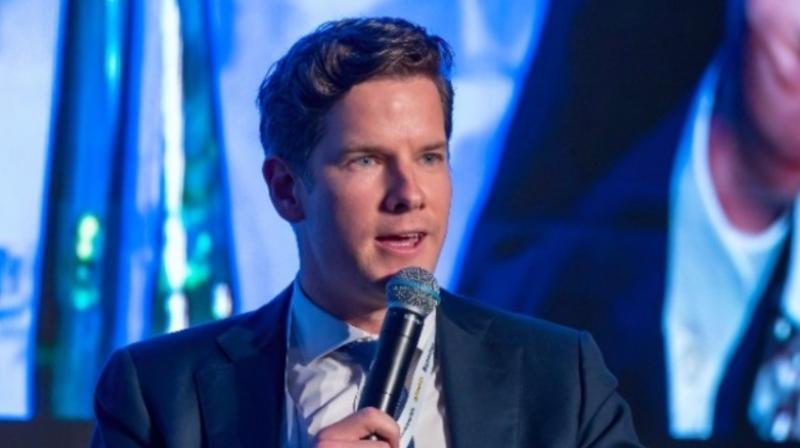
 Mark Potter
Following a high-profile partnership announcement in Mumbai on 29 January, attended by industry leaders and Bollywood celebrities, Etihad Guest has unveiled a major expansion of its India strategy, signing up five leading domestic brands across banking, hospitality, e-commerce, food delivery, and retail.
Driven by its ambition to be the airline everyone wants to fly, the loyalty programme has partnered with Bobcard, The Postcard Hotel, Flipkart, Swiggy, and Shoppers Stop to build a localised lifestyle ecosystem aligned with Indian consumers’ everyday preferences.
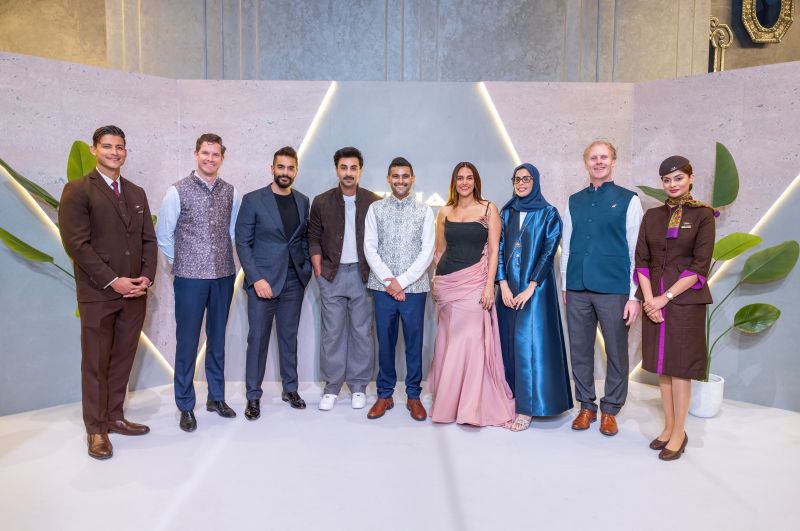
L to R: Etihad cabin crew; Mark Potter; Angad Bedi, actor; Ranbir Kapoor, owner, Mumbai City FC; Arik De, chief revenue and commercial officer; Neha Dhupia, actor and MC of the event; Aysha Al Kaabi, VP commercial enablement and engagement; Jurriaan Stelder, SVP network, alliances and commercial strategy; with Etihad Airways award-winning cabin crew.
India is currently Etihad Guest’s fastest-growing market, with the programme adding nearly 2,50,000 members every month, or around six every minute, and operating 185 weekly flights across 11 Indian gateways.
Globally, it now counts over 13 million members, with India emerging as a key growth engine as competition intensifies across airline and financial loyalty platforms.
Unlike traditional airline partnerships focused largely on travel and credit cards, Etihad’s new ecosystem is designed to link everyday spending with premium travel rewards. Built around localised benefits such as tier status, fast-tracking, spend-based incentives, two-way points transfers, and launch promotions, the programme is positioning itself as an integrated rewards platform rather than a standalone frequent flyer scheme.
On the sidelines of the announcement, Manifest spoke with Mark Potter, director of guest value and loyalty, managing director, Etihad Guest, Etihad Airways, about premium advertising, localisation, data-led personalisation, sustainability, and what success in India looks like over the next two years. Edited excerpts follow.
Edited excerpts:
Airlines have access to a very premium, captive audience through in-flight media and onboard platforms. How is Etihad thinking about premium advertising and content within the partnership ecosystem?
I can’t answer that directly, as it’s not my core area of expertise. But what I can say is that since we brought the in-flight magazine back about two years ago, we have invested significantly in our onboard product.
That includes making sure our films, content, and overall experience are relevant to the audience we’re serving. It’s not only about luxury. It’s about tailoring the experience to our customer base. That means improving content readability in Beyond magazine and giving customers something that genuinely resonates with them.
As Etihad continues to grow in India, with 11 ports and 185 flights, we are naturally seeing more conversations with brands. That comes with scale. It shows that what we’re putting into the market is relevant, and we’re building on that momentum.
During this visit, you have unveiled major partnerships with Indian brands. What changed in India over the last two to three years to make this the right moment?
India is a market where Etihad has done a lot of heavy lifting in building its network and strengthening relevance. As a result, the loyalty programme has grown strongly, largely riding on the airline’s expansion.
Over time, we realised that while we were in a strong position, we needed to do more to stay front of mind. India is now our second-largest and fastest-growing market, so there was a clear need to build on that momentum.
We also recognised gaps in everyday spend. If we wanted to deepen relationships with members, we needed to address those. That’s where most of the opportunity lies, particularly in lifestyle partnerships.
Beyond India, are there other markets showing similar growth?
They all are. With the airline announcing 31 new destinations last year, we’ve gained relevance not only in established markets but also in newer ones.
While India remains our fastest-growing country, we’re seeing record numbers globally. We’re adding around 2,50,000 new members every month, roughly six every minute. That reflects strong engagement and interest.
Members want to connect with us. Our focus now is on giving something meaningful back.
With banks, fintechs, and airlines building loyalty ecosystems in India, how do you plan to stand out?
We’ve seen a significant expansion of proprietary programmes. What we’re announcing is more than a standard partnership model.
Our currency is differentiated because it’s not just about earning and burning. It’s about the additional value.
For instance, take the co-branded Bobcard. It includes tier status, fast-tracking, spend thresholds, bonus structures, and foreign exchange benefits. It’s more comprehensive than a typical co-brand product.
With Flipkart and SuperCoin, it’s a two-way transfer. Swiggy is offering a Swiggy One membership to our entire base. Shoppers Stop is extending Platinum status. Postcard Hotels adds a boutique hospitality layer.
Alongside this, members still access our global partnerships. What this is really about is localisation and differentiation.
India is one of the world’s most app-first travel markets. How is data shaping rewards and experiences?
Our digital journey has been interesting. We had a standalone Etihad Guest app until last September, after which we moved into the host airline’s app. The idea was to create a single point of interaction.
Our partners like Swiggy and Flipkart have strong app ecosystems. That’s their core strength. That is we decided to work with like-minded partners focused on intuitive experiences.
At the same time, we’re shifting from broad segmentation to personalised, individual-level engagement. You’ll see that more clearly in our digital journeys going forward.
Is sustainability a growing priority for Indian travellers?
We give members the option to offset their travel, and they can convert miles into donations. With the airline’s growth, we’re seeing a steady influx of new aircraft. That gives us a young fleet, which is better from a sustainability standpoint. We’re not shying away from the fact that sustainability matters. We believe we’ve put the right measures in place to meet those expectations.
Looking ahead to 2026, what does success in India look like?
My success metric is coming back in nine months and hearing you say, “I’ve transferred points from Flipkart, I’ve shopped at Shoppers Stop, stayed at The Postcard Hotels, got the Bobcard, and now I’m flying business class to the US with a stopover in Abu Dhabi.”
That’s really what success looks like. It’s about members engaging with partners, being rewarded, and realising that value through flights or purchases.
We don’t want dormant accounts. We want people to use their miles. When they do, they see the value. When they see the value, they come back. That benefits partners too. It becomes a virtuous cycle.
How important is the Abu Dhabi stopover proposition for Indian travellers?
It’s a very important part of how we add value. If you’re transiting to the US, Europe, or elsewhere, you can stay for two nights in Abu Dhabi, with the option to extend.
Personally, I don’t think two days is enough. The city has matured significantly. You have strong hotel brands, theme parks, cultural attractions, and beaches.
If you’re already transiting through, it’s a no-brainer.
From bustling city centre hotels to quieter beach-side retreats, travellers can choose from the best hotels across Abu Dhabi with up to two nights free. They can book directly on the website, which makes it straightforward. For Indian travellers looking for more value, this adds tangible benefits to the journey.
Lastly, has your definition of premium changed over the years?
Not really. If anything, it comes back to personalisation. Luxury is in the eye of the beholder. Our philosophy is about being the airline everyone aspires to fly. That means luxury looks different to different people. We cater to that across the economy, business, and first class, including The Residence.
We also have tiered loyalty levels and strong retail and lifestyle partnerships. Ultimately, it’s about recognising what premium means to each customer and delivering on that.