

 Subscribe
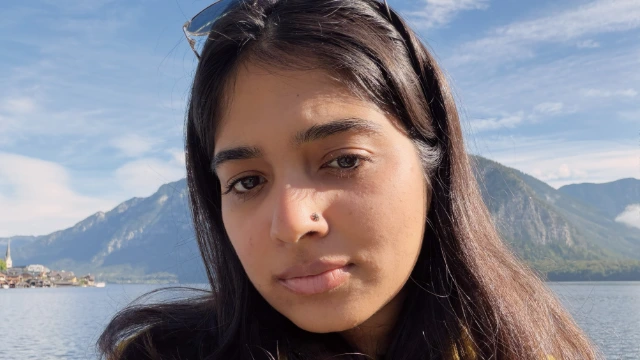
 Prajakta Koli inaugurates Go Color's new flagship store in Khar, Mumbai.
Go Colors has opened a flagship store in Khar, Mumbai, designed as a large-format space that exceeds the standard retail layout.
The store is designed for discovery, with dedicated zones for each category, collection walls that display the full range at a glance, and larger trial rooms that encourage customers to experiment with fit and style.
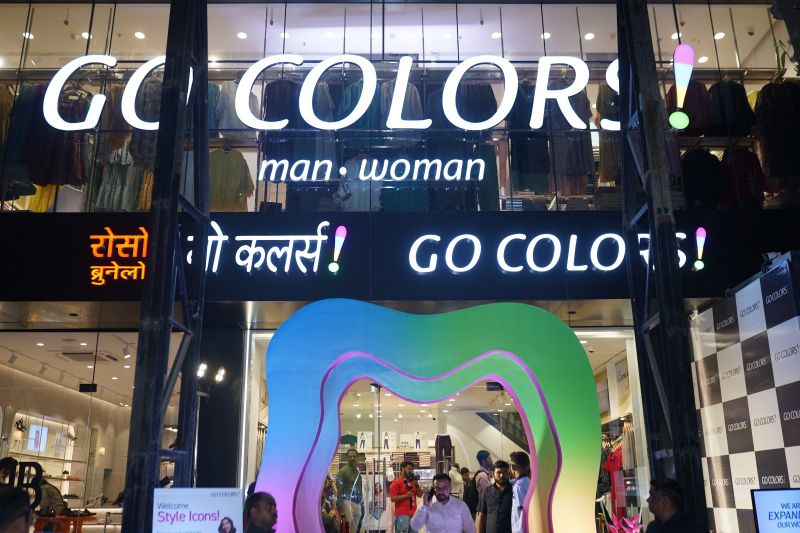
The launch puts Go Colors’ collaboration with YouTuber and actor Prajakta Koli at the centre, giving fans a chance to experience the ‘MostlySane Collection’ in a premium, immersive setting.
To highlight the association and to showcase the new collection the brand has also rolled out a film featuring Koli.
The MostlySane Collection introduces five new bottomwear styles which includes denim skirts, denim cargos, cargo pants, parachute pants, and cargo sweatpants. Designed for India’s young, trend-focused women, the collection blends relaxed fits, useful details and easy styling. It aims to make everyday dressing feel comfortable, modern and aligned with global trends. With this launch, Go Colors aspires to strengthen its position as a leader in contemporary bottomwear.
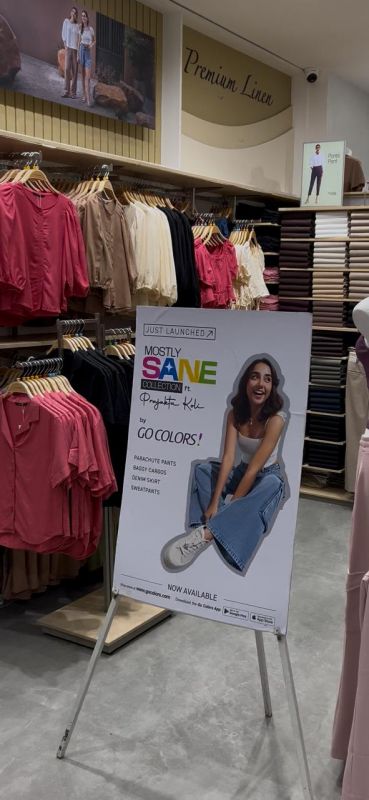
Manifest met Gautam Saraogi, founder and CEO, Go Colors, and Koli at the store to understand the thinking behind the partnership, why a bottomwear specialist chose this moment to expand its world, and how a creator known for everyday relatability sees her style translating into a retail environment.
Go Colors has long positioned itself as a category specialist. While most fashion brands expand wide, the company’s strategy has been to go deep.
“We have been in the bottom wear business for a long time. As a company, we’ve always picked one category and gone deep rather than spreading ourselves thin. Now felt like the right moment to expand into other everyday wear categories as well,” Saraogi said. “Bottomwear is a basic essential for every woman, so we felt we could bring the same mindset to the rest of the wardrobe. We’ve also seen customer tastes evolve over time. So we’re adapting and staying in step with that.”
The choice of a large-format store signals a shift from the brand’s smaller units and mall kiosks to a more curated space for discovery and conversion.
“The old Bandra Linking Road store will stay. However, we wanted to curate a new store in this area as it is where we had launched one of our first stores, and hence, this place will always be close to our hearts. We have also added a men’s collection as well, and expansion is our aim,” he said.
Bottom wear purchases are usually driven by practicality. The new format aims to make fit exploration richer than a quick transactional moment.
“Our key focus was discoverability and making sure customers get a touch-and-feel aspect of the store and newer categories,” Saraogi said. “The design layout helped in that.”
Even with new categories showing promise, the brand’s core doesn’t change.
“Our main focus stays on bottom wear. We have run pilots for other categories because we see potential, but the core remains ladies’ bottomwear. The goal over the next few years is to strengthen that position and become the go-to destination for women,” he said.
Digital growth remains important, but Go Colors continues to bet on physical retail for a category where touch, drape, and fit matter.
“For us, brick-and-mortar stores have worked better than online stores,” Saraogi said.
For Koli, the collaboration came from familiarity rather than strategy.
“It was actually a very easy fit because I’ve been a consumer of their products for years now, even before the whole content game,” she said. “Usually, when we do associations at this level, you want to spend time using the product if it’s new. This was very quick because it was organic.”
She sees the brand identity aligning with her own approach to fashion and lifestyle.
“I love that it makes fashion easy. If one walks into this store, one will find a way to pair any kind of top and walk out with an option for a bottom, and that makes life very easy. Bombay (Mumbai) is a mad city. Everything is on the go, so you want options like this,” she said.
As a creator with a large young audience, she sees influencer partnerships as central to how fashion is discovered today.
“It’s the most efficient way right now. There’s a reason why our country is the biggest creator economy in the world. Traditional mediums of telling stories about brands have changed, and that’s only because of the creator economy,” she said. “I love that even with Go Colors, they are with the times. They know who they are selling.”
Asked what her audience will gravitate toward, she points to a clear top three: “The wide-leg jeans, the joggers, and the cargo pants.”
Looking ahead, she believes the future of creator-brand partnerships will be built on deeper storytelling rather than one-off campaigns.
“In my opinion, the way forward is going to be long-term associations. Doing more than just one campaign. Engaging a lot more with a brand and seeing how you can do more than just ‘I’m wearing these leggings’,” Koli said.