
 Subscribe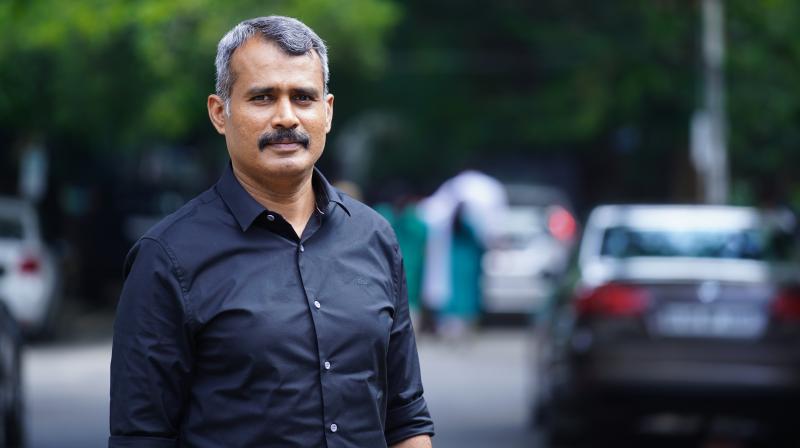
 Ravanan N
With 2025 seeing the mega-merger between Omnicom and IPG now complete, WPP consolidating its media agencies under WPP Media, and more consolidations in the pipeline, for our year-ender series, we asked experts to share 'the one consolidation they see happening in 2026'.
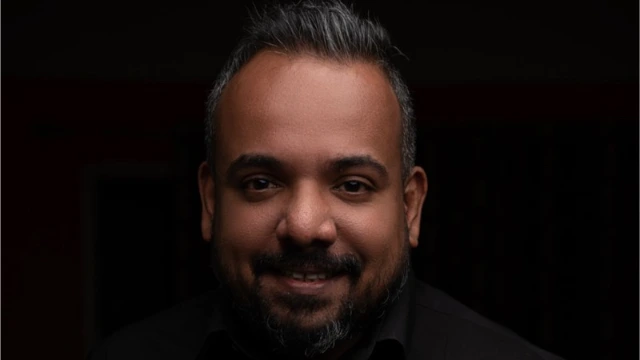
Here's what Ravanan N, CEO, Oneindia, had to say:
2025 made one thing obvious. India’s news audience has outgrown the industry’s structure. More than 806 million people are online in the country today, most of them consuming content in the language they think in.
Regional content is no longer a niche. Some industry estimates suggest that close to 60% of digital consumption in 2025 came from Indian languages. Yet the media ecosystem serving these audiences remains deeply fragmented. Metro-based publishers, single-language platforms and small teams often operate in silos with uneven quality and inconsistent reach.
The audience, however, has moved on. People want the familiarity of local perspectives, but they also expect reliability, speed and context. Hyperlocal publishers reflect this demand in Tier 2 cities and smaller states, where digital newsrooms now cover rural governance and civic issues with depth. But scale and trust still matter.
This is where 2026 will look very different from the years that came before it. The next phase of India’s digital media story will be defined by unified regional networks. These are decentralised editorial teams supported by central technology, shared workflows, consistent standards and intelligent distribution systems. Local storytelling stays local. Everything else becomes scalable.
There is another factor shaping this shift. Over the past few years, a significant portion of digital publishing has been driven by the need to satisfy algorithms across search, social and platform feeds. This has created a volume-heavy, reactive environment where smaller publishers often struggle to stay visible. In 2026, as algorithms prioritise relevance, quality signals and user intent far more aggressively, the advantages will tilt toward publishers who can pair strong local reporting with structured, scalable systems. The age of creating content only for the algorithm is giving way to building newsrooms that understand both people and platforms.
You can already see early signs of this shift outside the news space. Streaming platforms are investing heavily in South Indian content and language-first ecosystems because that is where long-term engagement lies. Jio and Hotstar alone plan to invest roughly 4000 crore in the region’s creative economy.
For digital news, this kind of consolidation will not be optional. Smaller publishers will struggle to keep pace with rising expectations around accuracy, distribution and multimedia storytelling. Larger networks will absorb or collaborate with regional players to build stronger, unified language ecosystems.
At Oneindia, we have already experienced how this model works in practice. Operating across 14 languages has taught us that regional journalism thrives when it has a dependable technology backbone.
Centralised infrastructure lets local teams focus on editorial clarity and community relevance without being limited by scale or inconsistent tools. It is a learning curve we have been on for more than a decade and it continues to shape how we think about the future.
The shift to unified regional networks is already in motion. 2026 will simply make it visible. The companies that prepare for it now will shape how millions discover and trust news in the years to come.
Also read:
'Brands are consolidating their trust, budgets, long-term partnerships with independent agencies'
'Consolidation won't shrink agencies; it will rewire them'
'Creativity, culture, and taste won't consolidate; they'll collaborate'