

 Subscribe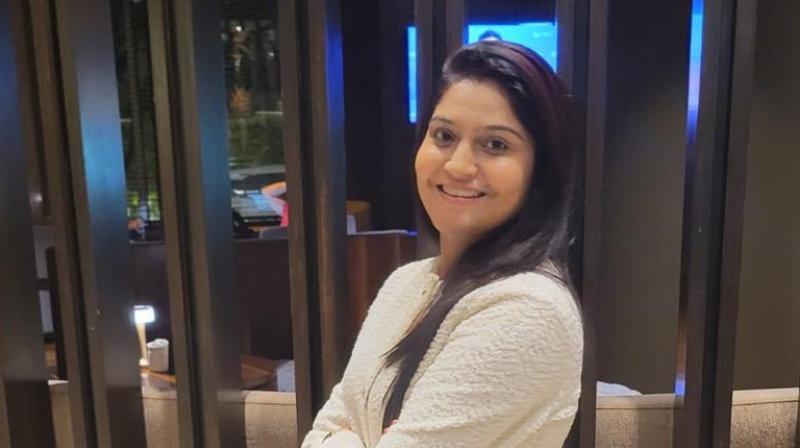
 Diksha Bajaj
Sting Energy has rolled out a campaign unveiling its sonic identity. Featuring cricket personalities Yuvraj Singh and Ravi Shastri, the identity transforms every Six into a signature ‘Stiinggg' moment.
Conceptualised by Leo, the campaign comprises a film.
We caught up with Diksha Bajaj, category head - energy drinks portfolio, PepsiCo India, to know more about the campaign, the insight behind it, the importance of a sonic identity and more.
Edited excerpts:
What was the core consumer insight that led Sting Energy to ‘own’ the sound of a six?
When one hits a six, it is the moment of peak emotion and energy for the consumer. The energy is at its purest form, both for the players and the family. Players are actually hitting the six, and therefore, they have the energy. Whereas for the fans, it's a moment where sound takes over sight. It's a roar - the commentary and the collective reaction that defines the moment. So, essentially, when we were thinking and ideating with our strategy and the insights team, there was a very powerful insight that they came up with that people might call a six just a six, but in reality, no two sixes are the same. One may cross the boundary, one may just cross the stadium, or one might be a flat one. The real differentiator between those sixes is the energy behind them. That's where our insight came from.
When we think of sound, we've actually been building that as a distinctive brand aspect from our first campaign itself. So the marriage of the six and the peak energy movement with this sonic piece was very, very organic. No brand has really owned the sound of six, so to speak. For a brand that's built on energy and excitement, owning this moment sonically was very natural.
How do you see this audio asset driving brand recall compared to traditional visual cues?
Audio assets have actually been a part of the memory structure for the consumer already associated with the brand. When we launched, we were the only affordable or accessible energy drinks, and we were the only drink that was red in colour. Our codes right from the beginning have been uniquely ownable and the consumer plays that back. As a part of the brand archetype itself, we had decided that sonic identity will be a part of it, and therefore, from 2020, all the campaigns that have gone live have a Sting energy mnemonics. So we feel that it'll become a very important and brilliant pillar to drive differentiation even this season. And now with that being a part of the culture with sixes, it'll help build the brand equity.
How do you ensure that a cricket-led property builds Sting’s equity and not just seasonal visibility?
The way we see this is that it is a part of cultural embedding. Imagine if the consumers start saying, it’s a ‘Sting six’- that is something, and cricket is here to stay. The youth’s love for cricket and sixes is here to stay. If we are able to get even a certain percentage of share of mind for the sixes to sting, I think it'll be a big win for us. We have been hearing from people (who have seen the ad) that this is a good way to integrate into the culture and be a part of consumer language. If we think of any iconic campaigns from the house of PepsiCo in the past, like ‘Dar ke aage jeet hai’ or ‘Dil Maange More’, all these pieces are actually a part of consumer language. Similarly, if this becomes a part of consumer language and they start calling it a Sting Six, then it's a long term play for embedding ourselves into the culture and being a part of consumer language.
What metrics define success for such culturally embedded campaigns? What are the KPIs that you will look at for this campaign?
When we think of such campaigns, it's not just about everyday transactions or short-term sales. These are the kind of campaigns which actually build mental availability and which, in turn, build brand equity and make one distinct. From a long-term perspective, the measure of success for such campaigns becomes an uplift in the brand equity, and distinction and ownable assets. From a beverage standpoint, trend-setting is a very important KPI. Such KPIs show and uplift from a long-term perspective. From a short-term perspective, if by the end of this campaign we see consumers relating to this sonic identity, playing it back on social, it'll be a big win. The spontaneous recall of the sonic identity and the top of mind attribution are the kind of things, along with the social media mentions, that'll help us measure their success.
The campaign stars Yuvraj Singh and Ravi Shastri as the faces and voices for this campaign. How do you ensure the brand remains the hero when celebrities are involved?
In marketing, it's very easy to think of celebrities first and the brand later. Many brands actually end up doing that. They first decide the actor that they want to go with and then write a story backwards for them that fits. But for our campaign currently, the origin was the DVA (Distinctive Brand Aspect), and everything came up from that. Our insight was that no two sixes are the same, which was very organic to the thought. Then, when we were thinking of ‘sixes’ and our DVA - the way we say ‘Sting Six’ depending on the length of the shot - that's where the marriage of six as a peak energy moment and brand’s sonic identity came together very beautifully in culture. After that came the thought that who is the one that fits the bill the best? That's where Yuvraj Singh, as the iconic smasher, was brought in and since it's a sonic identity, a commentator who's as iconic as Ravi Shastri was brought in. The nature of thinking and the ladder of thinking have actually been consumer and brand first, and celebrities who fit the bill came very organically and became a part of the journey. If you think consumer first, insight first, and brand first, then by default, the marriage will bring the right celebrities on board. And if that's the case, then they will never overpower and therefore, nobody will steal the light from each other. It'll all be a good amalgamation.
How does the campaign tap into both nostalgia and contemporary cricket culture?
When we think of Yuvraj Singh and Ravi Shastri, these are voices and visuals. There are voices and visuals that come to our mind that instantly evoke iconic six moments. We have heard moments where Shastri’s commentary has been so energetic. We've seen Singh smash those iconic 6s and therefore the thought and the sound definitely takes us to that moment. We are definitely tapping into nostalgia, but also contemporary cricket at the same time, which is all about instant reactions. Fans live those moments in real time online. We are staying true to the contemporary Gen Z culture as well, where they are all about making the most of the moment, highlighting them and instant reaction and replays. So, merging these two pieces - commentary in nostalgia and Gen Z’s needs and sound reaction - we build the bridge between the eras. Sting becomes that shared emotion language, whether you grew up hearing Shastri, or now you're creating content on reels. We feel it's a crossover of timelessness and a trend that makes the sound both familiar and fresh.
Beyond the film, how is the campaign designed to drive participation and social amplification?
The sound has actually been crafted as a social trigger. We are expecting fans and creators to remix it, react to it and take it to memes across platforms. We are working with creators to embed it in their content. You will very soon see some leg of the campaign on Instagram where we will onboard creators to play the sixes and have Shastri's sound behind it. We're going to take this to digital very soon. The aim is to make the sound travel. The campaign will thrive on co-creation. From the reaction in the living rooms to viral sound bytes on Instagram, fans definitely can carry this energy forward.