

 Subscribe
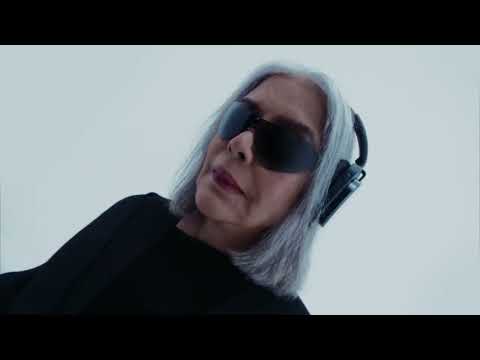
 Screenshot from an ad created by Kiss Films for Pepsi
The internet today is flooded with AI content, and much of it feels strangely familiar. Same prompts. Same outputs. The same glossy, slightly hollow look appearing across geographies and genres.
There are some impressive AI films out there. But look closely and many of them get their impact from fast-cut montages of visually charged moments. The real challenge begins when AI is asked to sustain a proper story, especially a brand story. That is where the medium’s current limitations become harder to ignore.
Around the time Coca-Cola’s AI holiday film was being discussed across the industry, with people pointing out issues of visual consistency and continuity, we started asking ourselves a simple question: what would we have done differently for a beverage brand?
We wanted to create a holiday film as an experiment, a way of showing what a modern festive film could look like, and how even when using AI, it could be crafted with care, intention, and emotional depth. Since Coke had already entered the conversation, we thought: why not Pepsi?
With that thought, the project began.
Not just another experiment, but a deliberate attempt to create what we believe could be the first truly cinematic AI Christmas film.
The mission
This film was created as a passion project, not commissioned by Pepsi, with one clear objective: to explore how AI could be used to tell a meaningful and emotionally grounded holiday story.
We were fully aware of AI’s current limitations. Real people, real physics, real environments. That is where the cracks show fastest. So instead of forcing realism, we designed the film around those limitations.
We chose animation very intentionally.
This time of year is full of iconic animated Christmas films that carry nostalgia, warmth, and emotional resonance. We wanted to tap into that tradition and create something that felt familiar, comforting, and timeless.
By embracing animation, the usual AI inconsistencies dissolve into the visual language itself. What would feel like an error in live-action becomes part of the aesthetic. It allows AI to focus on what it does best: world-building, mood, atmosphere, and emotional tone. The result is a film that does not announce itself as 'AI'. Most viewers simply experience it as a high-quality CG animated short.
From idea to execution
The idea arrived in a genuine eureka moment. The script was typed straight into a WhatsApp conversation as the thought was forming. From first thought to finished script in under a minute.
The execution, however, took 21 days of continuous experimentation. Iterating, testing, discarding, refining, and pushing the tools to their limits. The Kiss x Pepsi WhatsApp group turned into an endless scroll of AI frames and variations. Eventually, the sheer volume led to visual exhaustion.
At a certain point, a decision had to be made. Some frames would not be exactly as imagined, but the film had to be finished. Deadlines were approaching. Other projects were waiting. And the holidays were already knocking.
The result
The final film prioritises story, consistency, character, and emotional flow over pure visual spectacle.
Because the future of AI filmmaking will not belong to whoever generates the most impressive single image. It will belong to those who learn how to tell the best stories with it.
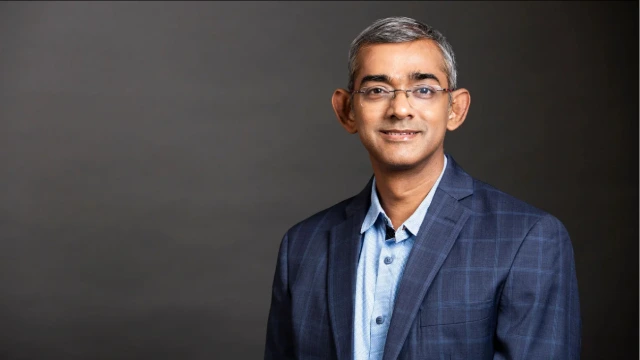
The author is founder, Kiss Films.