
 Subscribe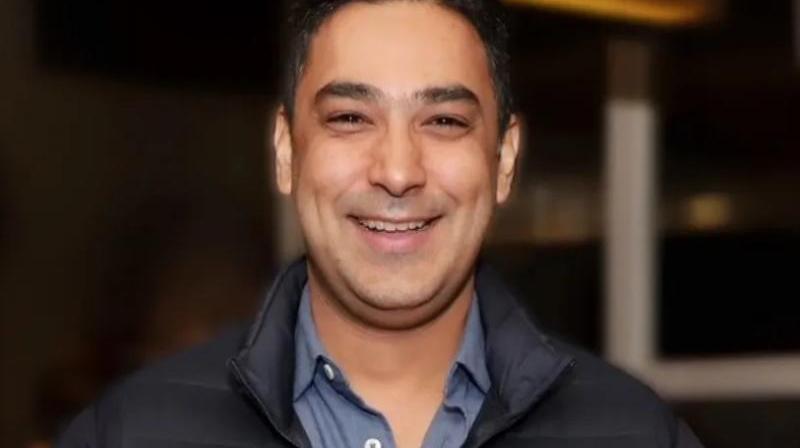
 Varun Chadha
As India’s outbound travel market becomes more discerning and value-conscious, cruise tourism is steadily reshaping perceptions around luxury, convenience, and experiential holidays.
Once seen as a niche indulgence, cruises now intend to be positioned as smart, all-inclusive alternatives to traditional resort vacations.
Against this backdrop, the final call of Celebrity Millennium to Indian shores, facilitated by travel marketing company Tirun, became a strategic moment for Celebrity Cruises and Royal Caribbean Group to reconnect with media, trade partners, and consumers.
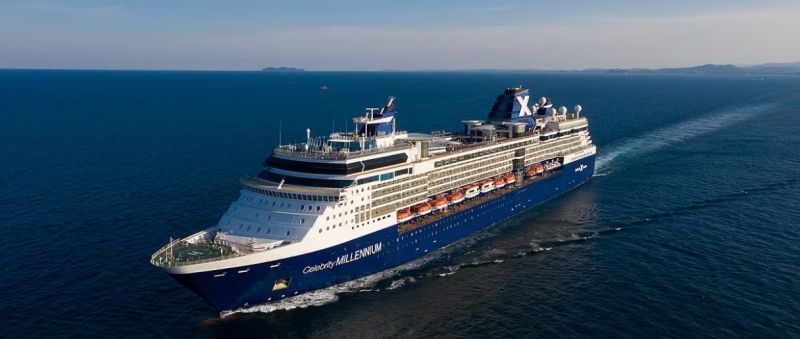
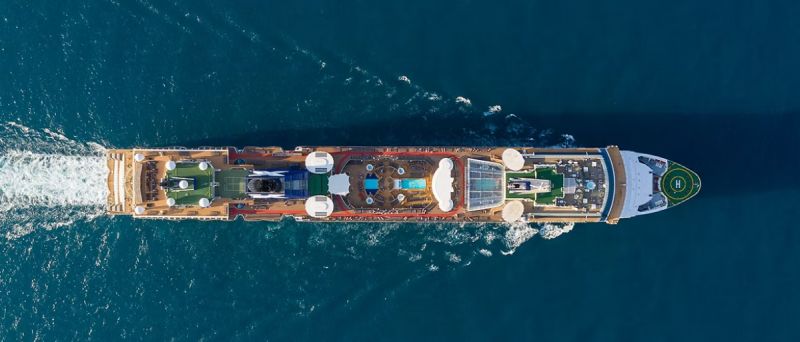
Recently refurbished to reflect the brand’s ‘modern luxury’ ethos, the ship showcases how global cruise experiences are being adapted for Indian travellers. In conversation with Manifest, Varun Chadha, CEO, Tirun, reflects on changing consumer behaviour, evolving marketing strategies, and what it takes to build long-term relevance in a competitive travel market.
Edited excerpts:
You recently hosted travel partners and media on board ahead of the Mumbai sailing for the Celebrity Millennium. What made this the right moment to showcase the cruise offerings in this way?
We have always tried to maximise every time a Royal Caribbean Group ship calls at an Indian port, even though those calls are not very frequent.
This was Celebrity Millennium’s last call in India for the next couple of years, so we felt it was the right time to bring in more media and trade partners and let them experience the product firsthand.
She (the cruise ship) isn’t new, but we’ve invested millions of dollars to make sure she looks as fresh as possible. The ship has been extensively refurbished. As one innovates with new ships, one can’t forget the older ones. One has to retrofit what guests love in newer ships into the existing fleet.
Celebrity stands for design-led, light, airy, modern luxury. We’ve moved away from heavy finishes and introduced more contemporary designs.
Ultimately, it’s about giving guests a real sense of what the brand represents.
What stood out most when partners and media experienced the brand for the first time?
No matter how much we talk about cruising, nothing compares to seeing it in person. There’s always an ‘aha’ moment when someone steps onboard.
People are surprised by the space in our staterooms, by the private balconies, by how comfortable everything feels. Then there are moments like discovering Indian food at the buffet or finding entertainment throughout the day.
All these small discoveries connect what people have heard with what the product actually delivers. That’s when the proposition truly clicks.
Cruising is often seen as expensive in India. Has that perception changed post-pandemic?
Cruising isn’t expensive. On average, we’re about 30% cheaper than comparable resort holidays in an all-inclusive format, across Royal Caribbean International, Celebrity Cruises, and Silversea.
We’re delivering much more value. That’s our core marketing message. Our focus is on clearly communicating what guests get for every rupee they spend.
How are you localising the global brands for Indian travellers without diluting their identity?
Hospitality makes the biggest difference. Indian guests value Indian food, familiar service, and constant activity. We’re people who need a holiday after a holiday.
A large part of our dining staff is Indian. Many crew members come from hospitality-driven cultures. These details add comfort.
Imagine cruising in Alaska and being served Indian food by an Indian crew member! That matters.
We’re also built for multi-generational travel. We can cater to toddlers, teenagers, parents, and grandparents on the same vacation. Families don’t usually travel alone, and we’re designed for that.
What’s working for you from a marketing perspective?
It’s a mix. India is incredibly diverse, so we use multiple approaches. There’s a strong focus on digital because it’s measurable. We invest in influencer marketing, consumer and trade activations, and regional outreach. Our strategy changes with seasons and destinations. Summer and winter audiences are different. We also cater to corporate groups, weddings, and celebrations.
We’re seeing strong momentum from tier-two and tier-three cities. It’s our responsibility to reach them better. Today, it’s not about educating customers. It’s about exciting them and staying top of mind. Consumers already have access to information. We need to have the right conversation at the right time.
Are cruises becoming stronger brand platforms? What partnerships stand out?
In India, our partnership with chef Ranveer Brar worked extremely well. Putting a familiar face to our food offering boosted engagement.
We’ve partnered with Air India to create seamless fly-cruise packages, especially for travellers from smaller cities. We also work with Qatar Airways.
We offer high-value cruise insurance through a partner, which appeals to premium guests. We’ve tied up with Udaan India by VFS for visa services to reduce friction.
All these partnerships are about convenience and confidence.
Onboard, we focus on premium experiences. We have Michelin-star dining, Broadway-style shows, and also the likes of Starbucks and well-known dining brands.
We also work with the Make-A-Wish Foundation, as giving back is important to us as well. Familiarity builds comfort. Even at sea, people like recognising brands and experiences.
How do you measure the impact of these partnerships?
In India, it’s less about familiarity and more about convenience. Documentation, visas, and insurance can be challenging. We focus on removing friction and being transparent. No hidden costs. When guests see a bundled price that includes flights and cruises, perceptions change. Our ‘celebrity chef’ programme is a good example. Food-related complaints dropped by over 95%. That told us something was working.
One can’t always pinpoint one factor. It could be pricing, marketing, routes, or ships. But strong feedback indicates progress.
We measure what we can and constantly refine our approach.
Lastly, what trends do you see emerging in 2026 and beyond?
We’re seeing strong momentum from new ships. Celebrity Ascent is the latest Edge-class ship, sailing in Europe and the Americas.
Europe is important because it’s accessible. We’re also expanding into river cruising, with nearly 20 ships. This is our first independent river venture, based on guest feedback.
On the Royal Caribbean side, we’re launching some of the world’s largest ships. Legend of the Seas will sail from Europe this summer.
Indians love new ships. Even if the destination is the same, new hardware drives bookings. Every major launch sees a 35–40% jump.
Expedition cruising, especially Antarctica and Alaska under Silversea, is also performing well. These are ultra-luxury, intimate experiences.
We’re expanding on land too, with private destinations in Santorini, the Bahamas, and Mexico. We’re covering every segment.
Coming back to India, whenever ships call here, engagement is strong. We see growing interest from affinity groups that travel in large numbers.
Ship calls help us understand ground realities, from port infrastructure to guest experience. A single call can contribute up to a million dollars to the local economy in one day.
We’re keen to grow our presence in Indian ports. It keeps us connected and helps us improve.
At the end of the day, our goal is simple: to give people great vacations and lifelong memories. Across our brands and segments, we believe we’re able to deliver on that promise.